A bandit trans am replica build pulls more people into the second-gen hobby than almost any other project. It is also one of the most consistently gotten wrong. Bad information circulates freely, and a lot of finished builds turn out to be tributes to a car that never actually existed in the form people imagine. Getting it right means understanding what the film cars were before you spend a dollar on paint, parts, or a donor.
What the Film Cars Were (and Were Not)
Smokey and the Bandit, directed by Hal Needham and released in May 1977, used multiple specially prepared 1977 Trans Ams across production. These were not showroom cars. They were built up specifically for filming, which means no single production Trans Am sitting at auction or rusting in a field is the definitive "Bandit car." Multiple units ran through the production, and they were not all identical. Stunt vehicles, hero cars, and background units had differences between them.
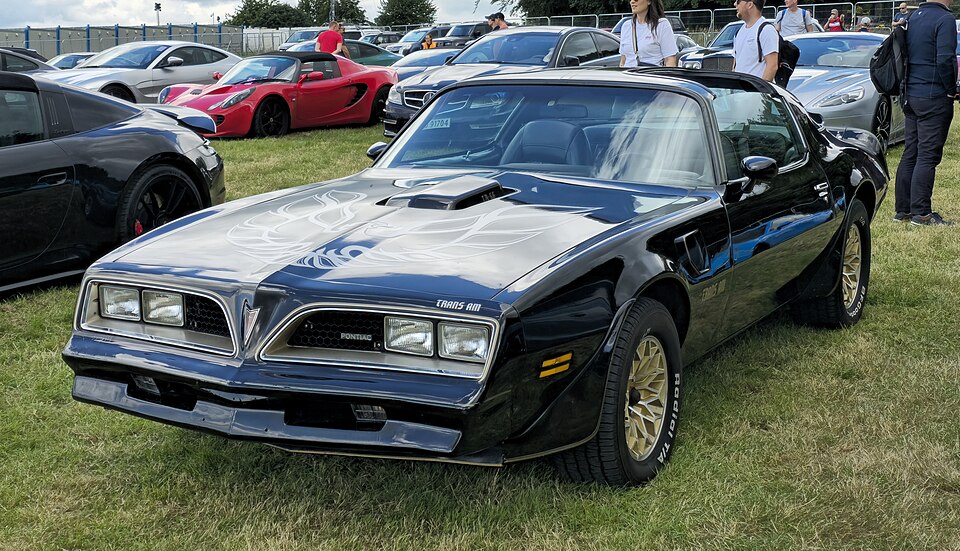
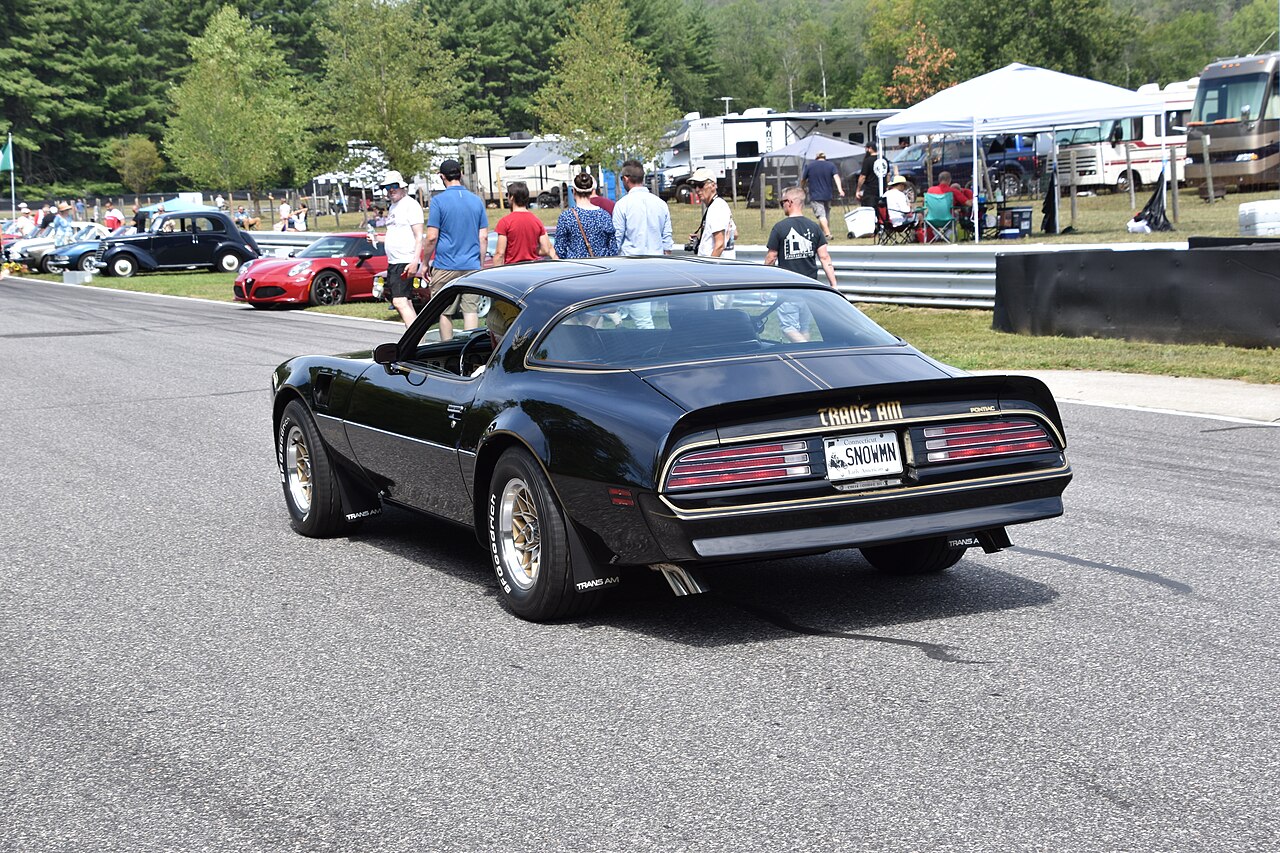
What they shared was a consistent overall appearance: Starlight Black exterior, a large gold Firebird hood decal, gold body stripes, T-tops, and honeycomb-style wheels. The interior on the hero cars was a tan or camel-colored vinyl. The drivetrain was built around Pontiac's performance hardware.
Because the cars were purpose-built for the film rather than pulled from a dealer, there is no factory window sticker that perfectly describes every "Bandit car." Any replica is an interpretation of what the evidence shows. The goal is to get as close as the documented record allows.
Choosing the Right Donor Vehicle
For a film-accurate starting point, a 1977 Trans Am is the only correct foundation. The second-generation Firebird ran from 1970 through 1981, and each year carried styling differences that anyone familiar with these cars will catch quickly. The 1977 body has a specific striping treatment, instrument panel design, and trim details that differ from the 1978 and later cars.
When you source a donor, look for one that already has the T-top option. Cutting a solid-roof car for T-tops is a major structural undertaking and a guaranteed rust entry point if the channels are not sealed properly. T-tops were available on the 1977 Trans Am, and a donor that already carries them saves significant labor and headache.
Rust is the main enemy on these cars. Inspect the T-top channels, lower quarters, floor pans, trunk floor, and rear frame rails before anything else. A solid, clean body is worth more than any matching-numbers drivetrain. Once the structure is compromised, costs compound quickly.
Exterior: Paint, Decals, and Trim
The exterior combination on the film cars used components that Pontiac happened to sell separately in 1977, before formalizing the look as a package in 1978.
Paint: Starlight Black. This is non-negotiable for a film-accurate build. Modern basecoat and clearcoat can replicate the color, but discuss sheen level with your painter. The era-correct finish was not the mirror-deep gloss that modern clears tend to produce, and going too high-gloss reads as incorrect on a build aimed at period accuracy.
Hood Decal: The large gold Firebird, called the screaming chicken by most of the community, is the defining element of the car's identity. The 1977 decal has specific proportions. Reproduction decals are available from multiple vendors, but compare them against reference photos before ordering. The scale and feather detail vary between suppliers and between years.
Body Stripes: Gold stripes running along the lower body, consistent with the factory stripe package offered on the 1977 Trans Am.
Wheels: The film cars used honeycomb-style wheels. Sourcing original Pontiac honeycomb wheels in the correct size is the preferred approach for a correct build. Reproductions exist but vary substantially in casting quality. Verify the second-gen bolt pattern of 5x4.75 inches before purchasing any wheel, original or reproduction.
T-Tops: Glass panels are more durable long-term than the acrylic versions. If your donor car is missing panels entirely, source them from the same year to avoid fit issues caused by subtle changes between model years.
Interior: What the Cabin Actually Looked Like
The hero car interiors in the film were a tan or camel-colored vinyl. This matches factory color offerings for the 1977 Trans Am. The seats were vinyl bucket seats. They were not leather.
This point matters because it comes up constantly. No second-generation Trans Am left the factory with leather seating, with one exception: the 1979 10th Anniversary Trans Am (RPO Y89), which featured silver leather-trimmed seats in a Platinum Silver Metallic interior as part of a completely distinct package. A replica of the 1977 film car has no business claiming leather seats. If a build you are looking at advertises leather as a factory-correct detail, that is wrong.
For a replica, source clean original vinyl seats in the correct color, or have your existing seats reupholstered to the factory vinyl specification by a trim shop with access to correct-grain material. A quality reupholstery job in proper vinyl is correct, period-appropriate, and durable.
The 1977 Trans Am used the Rally gauge cluster with a full complement of instruments. If your donor car has a stripped dashboard, source a correct 1977 unit. Swapping in a cluster from a later year introduces details that anyone who knows these cars will recognize as wrong.
Drivetrain: Matching the Engine to the Car
The film cars carried Pontiac's performance hardware. The W72 400ci engine, marketed as the T/A 6.6, was the high-performance engine option for the 1977 Trans Am and is the appropriate choice for a film-accurate build. A four-speed manual transmission was available and is correct for the era. The Turbo Hydra-Matic 400 automatic was also a period-correct option.
If you are sourcing a W72 engine, verify the VIN stamp on the block, the block and head casting numbers, and the date codes. A W72 used specific cylinder heads, a distinct camshaft profile, and a different carburetor setup compared to the base 400ci engine. Confirm you are buying what is advertised before the money changes hands.
Pontiac's Factory Response: The Y84 Special Edition
After Smokey and the Bandit became a box office success, Pontiac formalized the black-and-gold combination with the Y84 Special Edition package beginning with the 1978 model year. The Y84 brought buyers a Starlight Black exterior, gold Firebird decals, gold striping, and a matched interior combination directly from the factory.
This is a critical distinction for any builder to understand. A Y84-equipped car from 1978 forward is a legitimate and desirable second-gen Trans Am with proper factory documentation behind its appearance. It is not, however, a 1977 film replica. The two are related in spirit but different in year, styling details, and historical context. Know which one you are building before you start.