Deciding which Trans Am is the best is not a single-answer question, but it is a manageable one once you understand what each era of the second-generation platform actually offers. Second-gen Trans Ams were built from 1970 through 1981, and they changed substantially over that twelve-year run. The engine options, interior specifications, chassis upgrades, and cultural weight shift enough from year to year that the right answer for a weekend driver is a different car than the right answer for a serious collector. This guide lays out what each period delivers and where the genuinely special cars live within the lineup.
Why the Answer Depends on Your Priorities
Three questions sort out most buyers quickly. Do you want to drive this car regularly, or is it primarily a show and investment piece? What is your honest budget, including restoration costs? Does a specific cultural reference drive the purchase? Get clear answers to those three before you look at a single car.
The physical condition and documentation of any individual example matters more than any general model-year advice. A clean, documented 1980 Trans Am with a verified build sheet beats a rough, numbers-incorrect 1979 every time. That said, certain years and option combinations carry real advantages that are worth knowing before you start shopping.
The Case for Each Era
1970-1973: The Early Cars
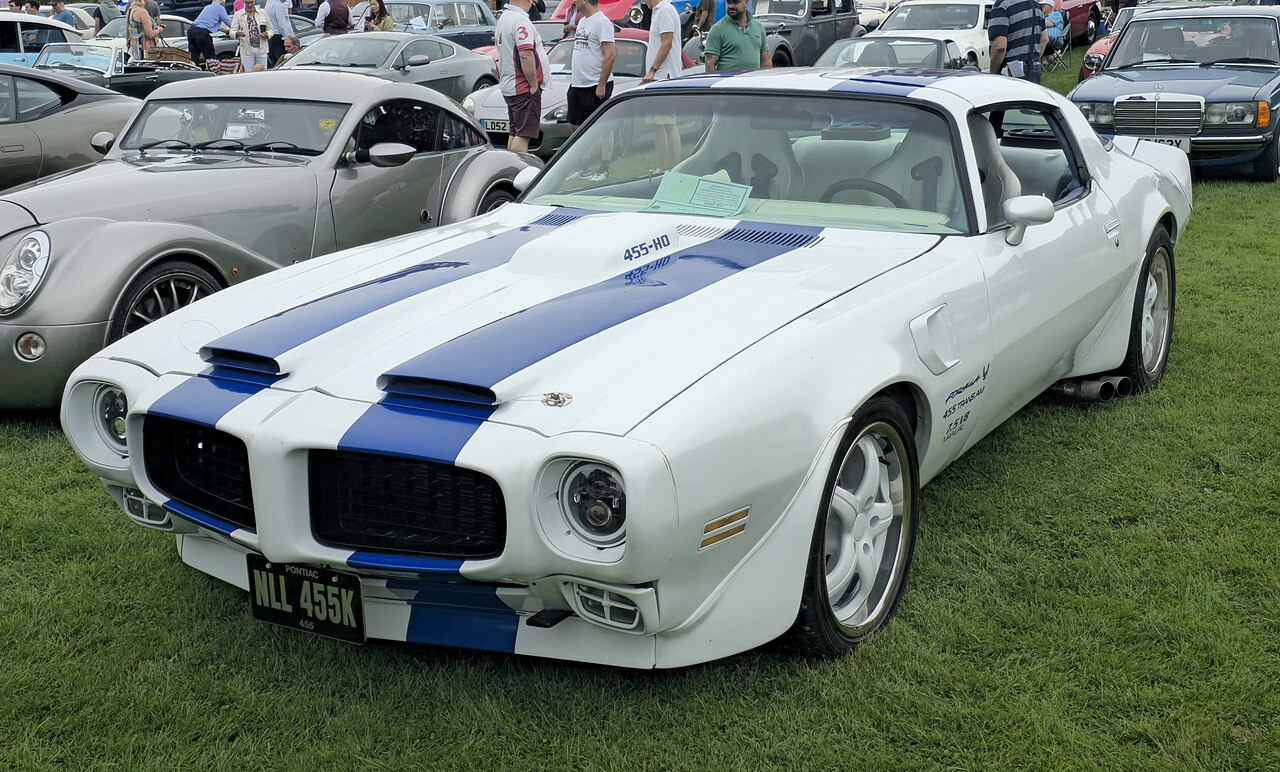
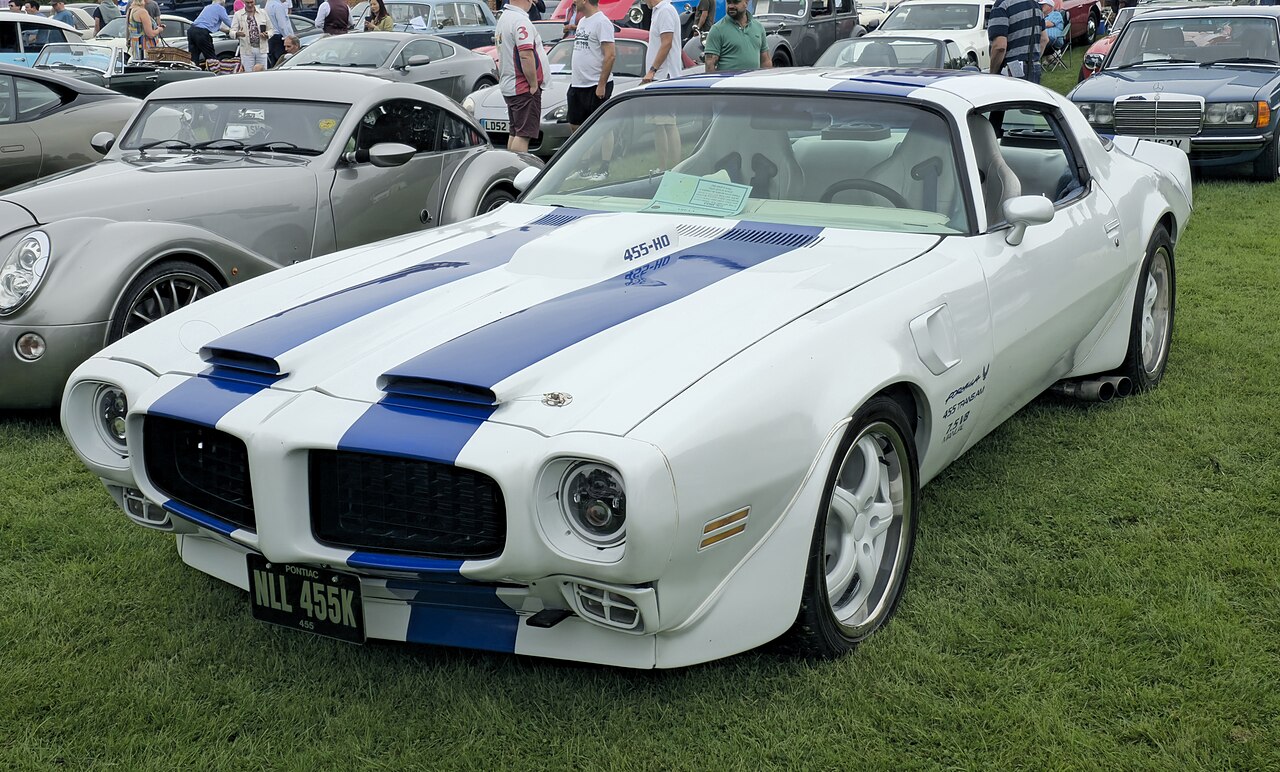
The second generation begins with the 1970 model year. These early cars ran the Ram Air III and Ram Air IV 400ci engines and carry a visual purity that later emissions-regulated cars cannot match. Production was low: Pontiac built 3,196 Trans Ams for 1970 and 2,116 for 1971, making them the rarest examples in the entire second-gen run.
The trade-off is acquisition cost and parts complexity. Correct early components are expensive and often difficult to source. Documentation matters enormously to value, and buyers without restoration experience can easily overpay for a car with concealed problems. These are excellent long-term investments for experienced collectors. They are harder work for first-time second-gen buyers.
1974-1977: The Mid-Era Cars
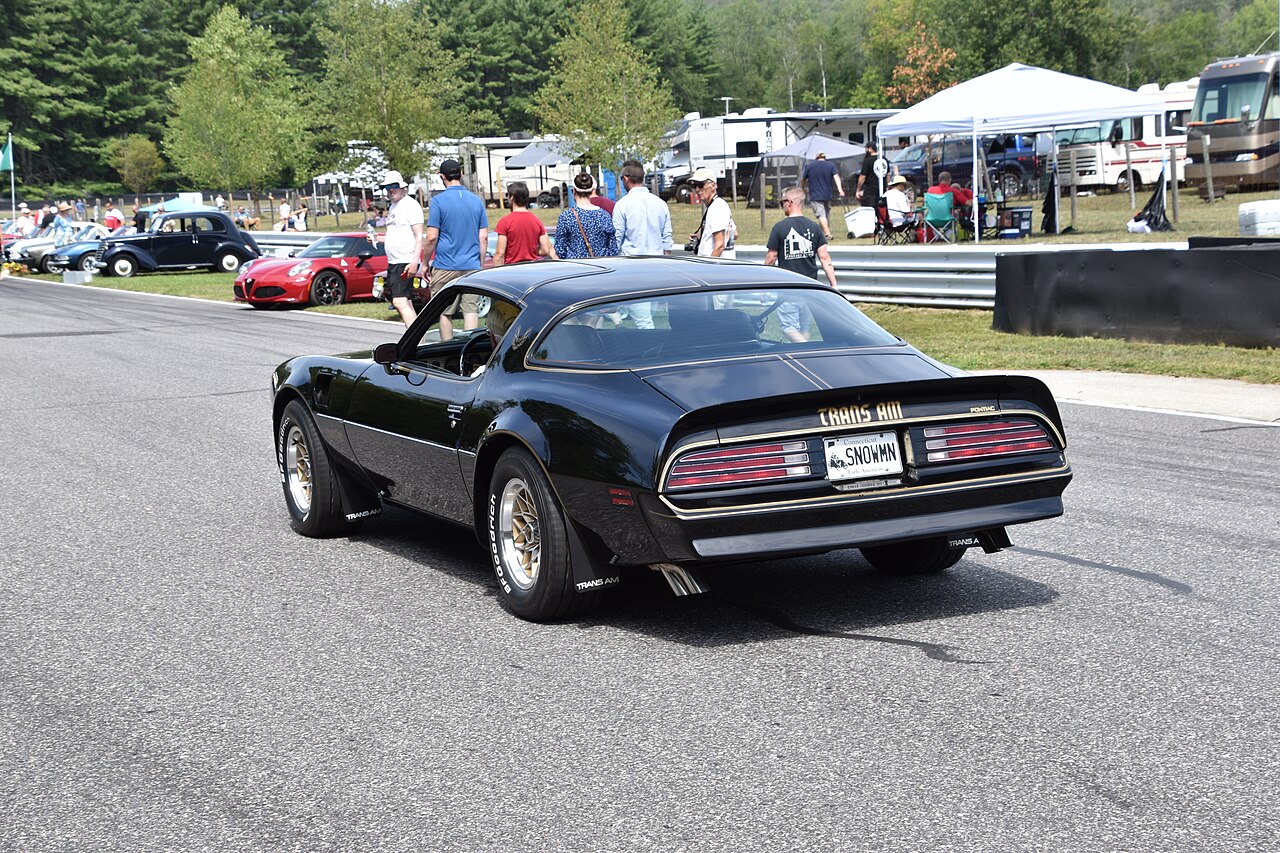
The mid-era cars absorbed emissions equipment, compression ratio reductions, and federal bumper standards. Performance numbers declined through 1975 and 1976. The 1977 model year is the most culturally visible of this period because of its connection to Smokey and the Bandit. That film used specially built 1977 Trans Ams, not standard production cars, and multiple different cars were used across filming. Collectors should not pay film-car premiums for an ordinary 1977 Trans Am. Standard 1977 Trans Ams are good cars with the right look. They are not Bandit cars.
The Y82 Special Edition package for 1977 gave buyers the black and gold exterior that the film made famous. That is a legitimate reason to seek out a 1977. Verify any car claiming Y82 equipment against its broadcast sheet or factory documentation before paying a premium.
1978-1981: The Peak Production Years
Pontiac moved the most Trans Ams during this period. The 1979 model year alone saw Trans Am production exceed 117,000 units, reflecting both the car's cultural peak and sustained buyer demand following the Bandit films. The 1978-1981 cars came with the Deluxe Bucket seat as standard Trans Am equipment. These seats were vinyl, not leather, and they are the correct factory interior for the vast majority of second-gen Trans Ams you will encounter.
The WS6 handling package was available across this era. It is a performance and suspension option, not an interior trim, and it added heavy-duty shocks, upgraded sway bars, and in some applications four-wheel disc brakes. A car with documented WS6 equipment commands a meaningful premium over a base example, and that premium is justified by a genuine difference in driving character.
The 1979 Trans Am: The Strongest Single-Year Argument
If you are buying one second-gen Trans Am and want the best balance of performance, parts availability, and long-term value, the 1979 is the year most experienced buyers land on.
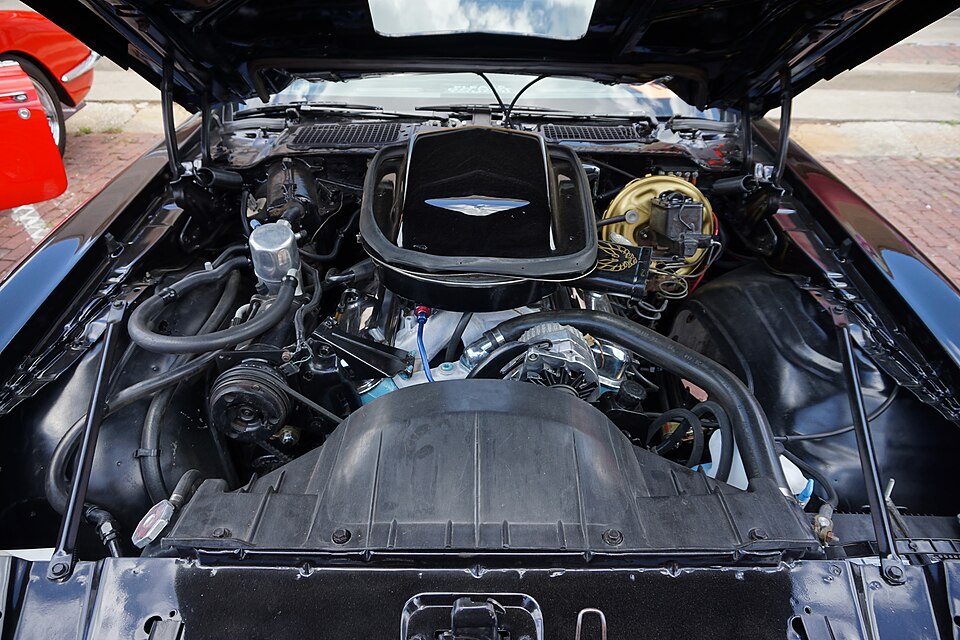
The standard 1979 Trans Am engine was the 403ci Oldsmobile V8, a reliable unit that covered the bulk of production. The performance option was the 400ci W72, a Pontiac-built engine rated at 220 horsepower that responds well to tuning and carries a devoted following. California cars received the 403 because the W72 400 was not California emissions-certified. The 301ci Pontiac V8 was available as a rare credit option but was not a common choice and should not be confused with the California-market powertrain.
The W72 400 is the engine to find. It pairs well with the WS6 chassis package, and a car with both is as capable a second-gen street machine as the factory ever offered. Hagerty's valuation data consistently shows W72 and WS6 cars bringing meaningful premiums over base 403 examples at auction and in private sales.
Rarity and Collectibility: The Special Editions
Two models stand apart from standard production Trans Ams in terms of rarity and collector interest.
The Y84 Special Edition is the factory Bandit package: black exterior, gold striping, and a specific interior combination. These cars are correctly called Special Editions. The visual connection to the Bandit films makes them perennially popular, and they are the most correct factory expression of that look for buyers who want it.
The 1979 10th Anniversary Trans Am (Y89) is in a different category. Pontiac built approximately 7,500 of them to mark the Trans Am's tenth year in production. They arrived finished in Platinum Silver Metallic with silver leather-trimmed seats, and they represent the only second-generation Trans Am to leave the factory with leather interiors. Every other second-gen Trans Am interior was vinyl. If a seller claims factory leather on any other second-gen model, that is either an aftermarket upgrade or a misrepresentation. The Y89 is the sole exception, and that fact is a meaningful part of what makes it collectible.
For buyers focused on long-term appreciation, the 10th Anniversary represents the clearest choice within the second-gen lineup.
Buying Smart: What to Inspect Before You Sign
Production volume during the peak years means there are plenty of examples on the market, but condition and documentation vary enormously. Before any purchase:
Pull the VIN and cross-reference it with the trim tag and broadcast sheet. PHS Automotive Services can provide factory build documentation for a modest fee, and that paperwork is worth far more than its cost on a potential purchase.
Inspect the floors, trunk floor, and frame rails for rust. T-top cars are particularly prone to water intrusion at the roof seams, so check the headliner and the top edges of the door frames carefully.
Confirm the engine matches the VIN documentation. Numbers-matching cars carry significant premiums, and engine swaps are common enough that verification is essential rather than optional.
Check the interior for the correct seat style for the model year. The Deluxe Bucket is standard on 1978-1981 cars. Seats sourced from other F-body platforms are a common substitution and are straightforward to identify once you know what the originals look like.
Protecting Your Second-Gen Trans Am
Standard auto insurance policies use actual cash value, which rarely reflects what a properly sorted second-gen Trans Am is worth in the current collector market. Agreed-value policies through specialty insurers lock in a stated amount negotiated upfront. If the car is totaled or stolen, you receive that agreed amount rather than a depreciated figure.
Both programs are designed for cars driven on the collector schedule that most second-gen owners actually keep, which makes them a much better fit than a standard daily-driver policy.