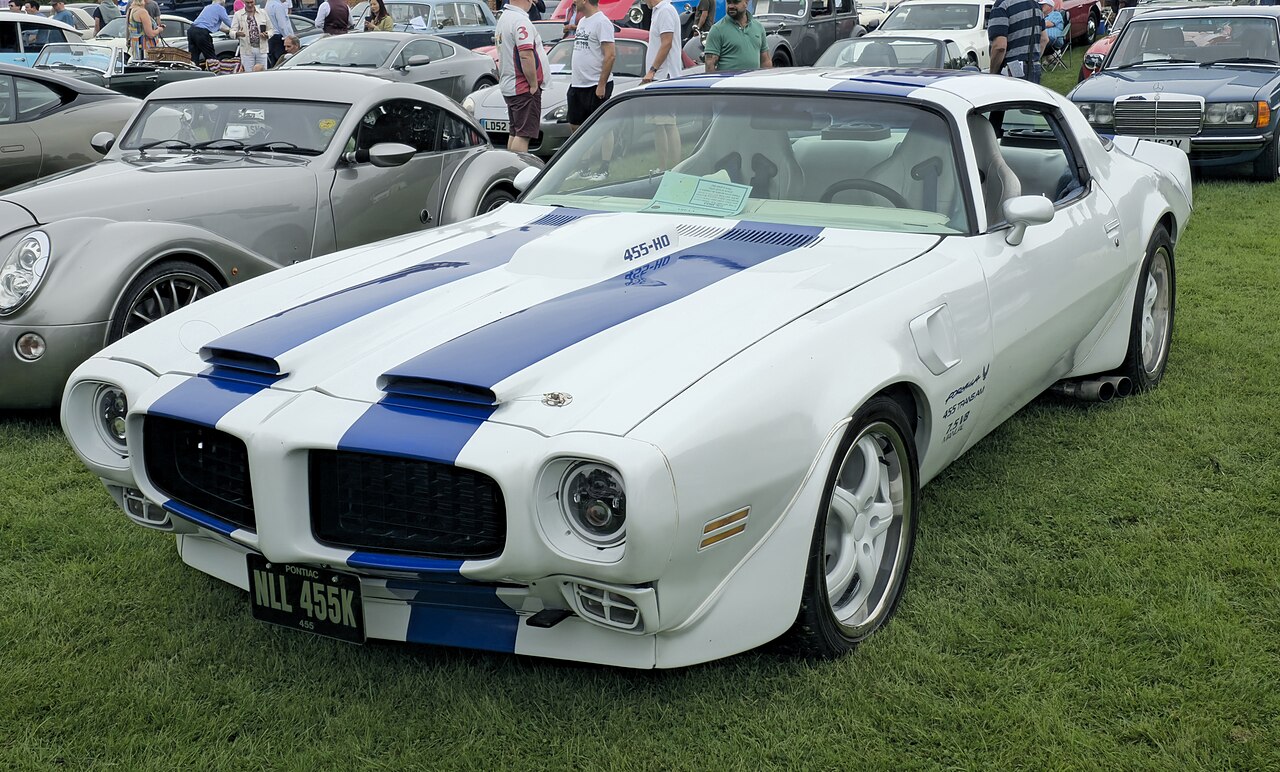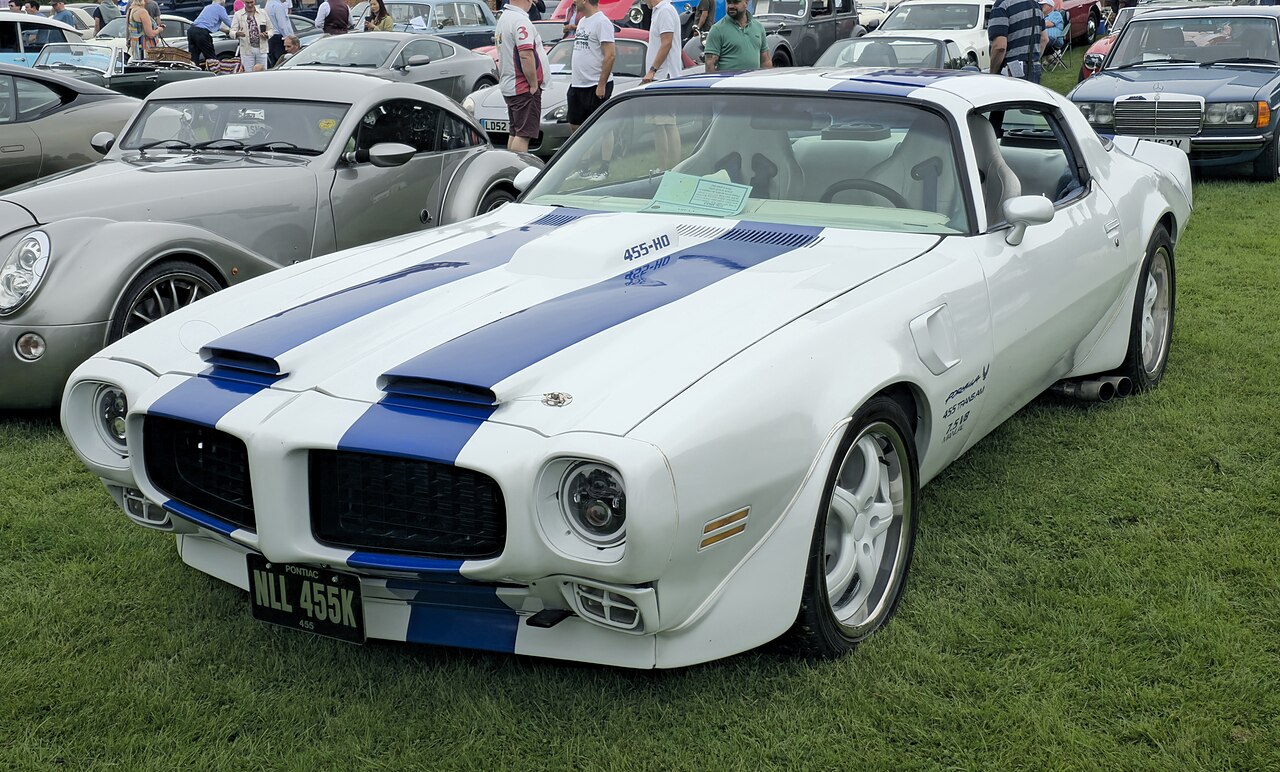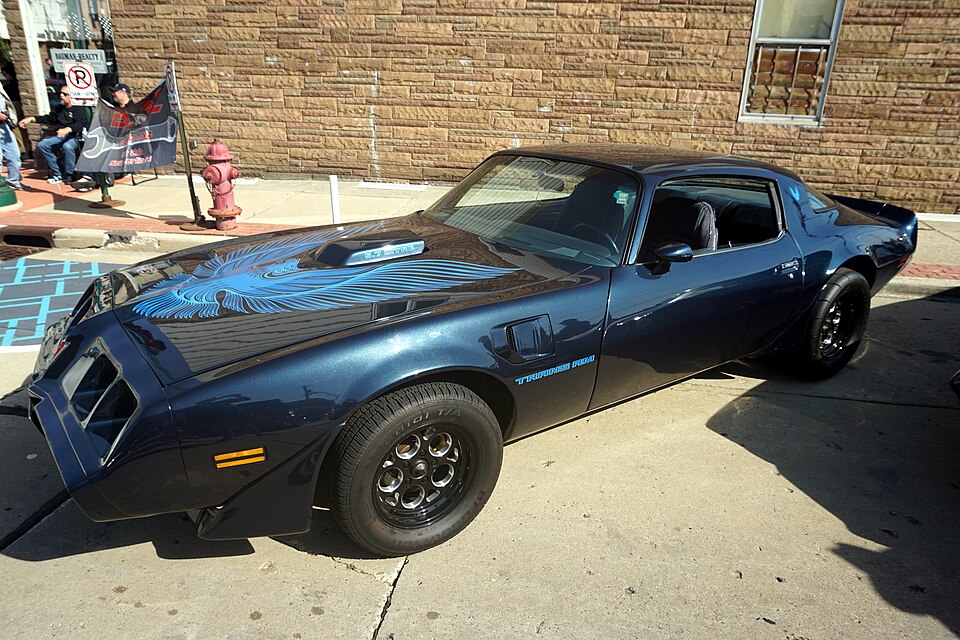
If you have found yourself searching "is Pontiac Firebird coming back," you are in very good company. The question surfaces every couple of years when a designer renders something plausible, an auto show rumor circulates, or a GM executive says something offhand that gets amplified into a headline. The straight answer is no, not in any form that has been publicly announced or confirmed. Pontiac as a brand was shut down in 2009, and General Motors has not put a Firebird nameplate on any product roadmap made available to the public since then.
That answer deserves more context, because it has real implications for anyone currently owning or thinking about buying a second-gen car.
Why There Is No New Firebird
General Motors filed for Chapter 11 bankruptcy protection in June 2009 as part of a federal government-backed restructuring. As part of that reorganization, GM discontinued four brands: Pontiac, Saturn, Hummer, and Saab. The last Pontiac vehicles rolled off the assembly line later that year as 2010 model year cars. Pontiac dealerships were bought out and closed. The organizational infrastructure, engineering teams, brand management, and dealer network, everything that makes a car brand function at scale, was dissolved.
GM retained ownership of the Pontiac trademark. That is standard legal housekeeping, not a signal. Companies routinely hold dormant trademarks to prevent third parties from registering them. It does not reflect any product planning intent.
Reviving Pontiac, or even licensing the Firebird name to a new vehicle, would require starting that dealer and organizational structure from zero. It would require designing a product that earns margin while competing in a segment where Chevrolet already sits. None of that is on any stated GM agenda, and the company has not indicated otherwise.
The Revival Rumors and What They Actually Amount To
The Camaro Platform Argument
When Chevrolet brought back the Camaro for the 2010 model year, enthusiasts immediately pointed out that the same platform could underpin a new Firebird. That is historically accurate thinking. The second-gen Firebird shared its F-body platform with the Camaro from 1970 through 1981, and the same shared-platform arrangement continued through the third and fourth generations. The logic was sound.
GM never acted on it. More to the point, Chevrolet ended Camaro production after the 2024 model year to redirect engineering resources toward electric vehicles and crossovers. There is no Camaro architecture in active production to build a Firebird around. The platform argument, already speculative, is now structurally moot.
The Electric Firebird Speculation
Renderings of an electric Firebird appear regularly on social media and in enthusiast publications. Some are polished enough to generate genuine press coverage. Every single one so far has originated from independent designers, not from GM's studios, and none has been presented at an official auto show as a production-intent concept.
GM has shown willingness to pull classic names off the shelf for EV products. The GMC Hummer EV and Chevy Silverado EV both demonstrate that. An electric Firebird is not logically impossible. It is simply not happening based on any announced program. The gap between "not out of the question" and "coming soon" is very large.
What a Realistic Return Would Actually Look Like
If a Firebird were ever produced again under any realistic scenario, it would almost certainly carry a Chevrolet badge rather than a Pontiac one. The Pontiac dealer infrastructure is gone and is not coming back on any reasonable timeline. A new Firebird would be an entirely new vehicle sharing a name with the original. It would not be a continuation of the F-body architecture or the engineering philosophy that made the second-gen cars what they are. The people most likely searching whether the Firebird is coming back are hoping for exactly that kind of continuation. The honest answer is that even an optimistic scenario does not produce it.
What This Means for Second-Gen Owners and Buyers
This is where the answer becomes practically useful. If you own or are looking for a second-gen Firebird or Trans Am, the fact that nothing new is coming has a clear implication: no modern revival will dilute or replace what the original cars are. The population is fixed and shrinking.
Second-gen values have moved upward across the board. Special Edition Trans Ams with the Y84 package, the black and gold exterior and interior combination made famous by the 1977 film "Smokey and the Bandit," command real money in documented, unmodified condition. Cars from 1973 and 1974 carrying the Super Duty 455, a high-output factory engine option offered for only those two model years, are increasingly difficult to find in honest shape. Base Formula and Esprit coupes that were overlooked a decade ago have found their audiences and moved accordingly.
Parts availability is still healthy, which is not something every classic car owner can say at this point in time. Specialty suppliers continue to manufacture reproduction sheetmetal, interior trim, weather sealing, emblems, and mechanical components for 1970 to 1981 cars. That supply will not hold at the same breadth indefinitely as tooling ages and market demand shifts.
If your car needs restoration or maintenance work, the practical advice is to address it now. Experienced F-body mechanics and body specialists are still working, but the pool is smaller every year. The knowledge and tooling exist today in a way they may not in another decade.
The Longer View
Pontiac is not coming back. The second-gen Firebird ended production after the 1981 model year. Both of those facts are settled. A future vehicle wearing a Firebird badge, if one ever arrives, will be a different product built around different engineering and different intentions, aimed at buyers who have never seen one of these cars in person.
The 1970 to 1981 cars carry specific, irreplaceable history. The Y84 Special Edition package. The 400 and 455 engine configurations. The deluxe bucket seats that were standard equipment on every Trans Am, not an upgrade. The Shaker hood scoop. The year-to-year variations in trim, options, and power output that make each example its own puzzle to understand and maintain. Those things exist right now, in garages and at auctions, and their numbers are finite.
If you have been waiting for a revival announcement before engaging with the second-gen market, no announcement is coming. The cars are here.