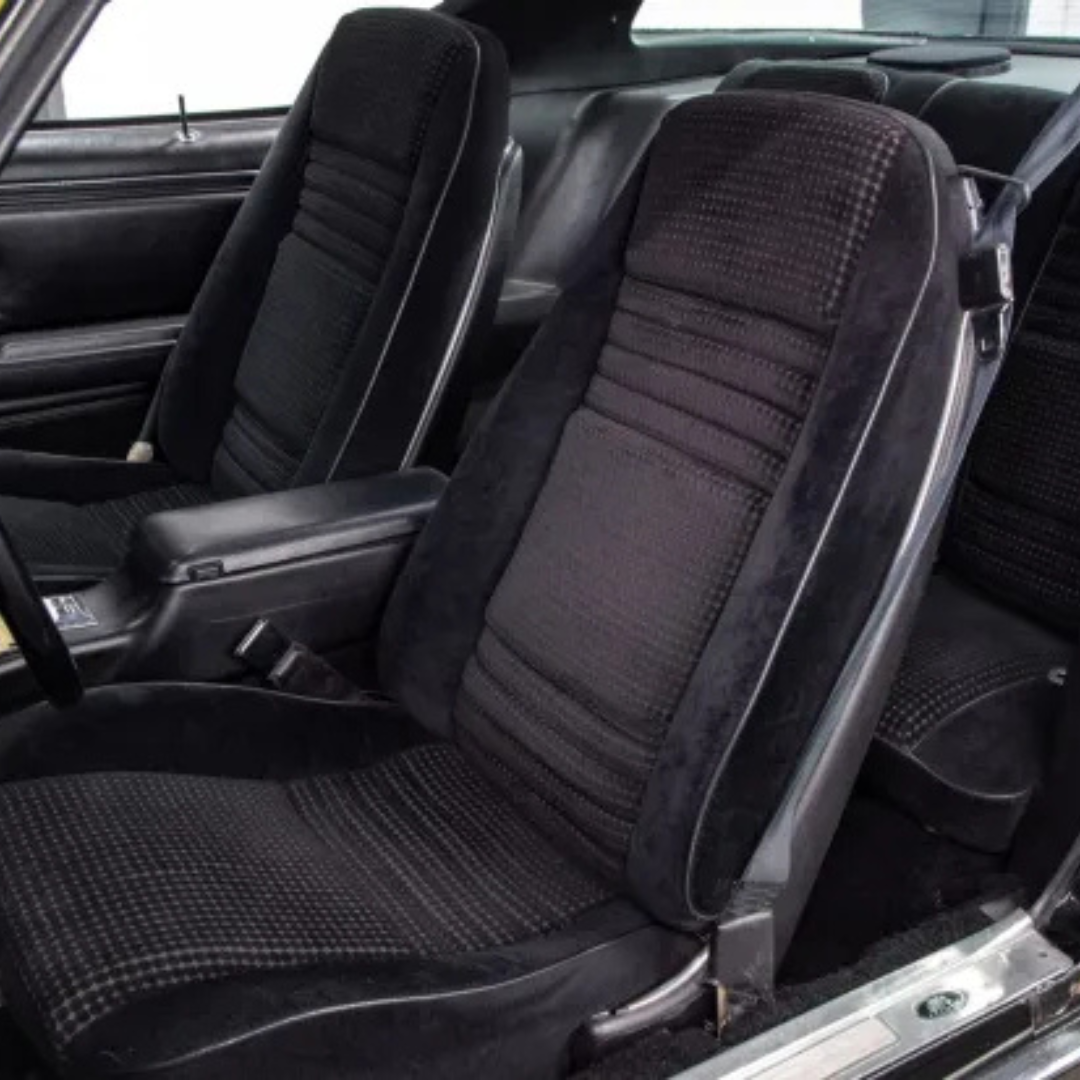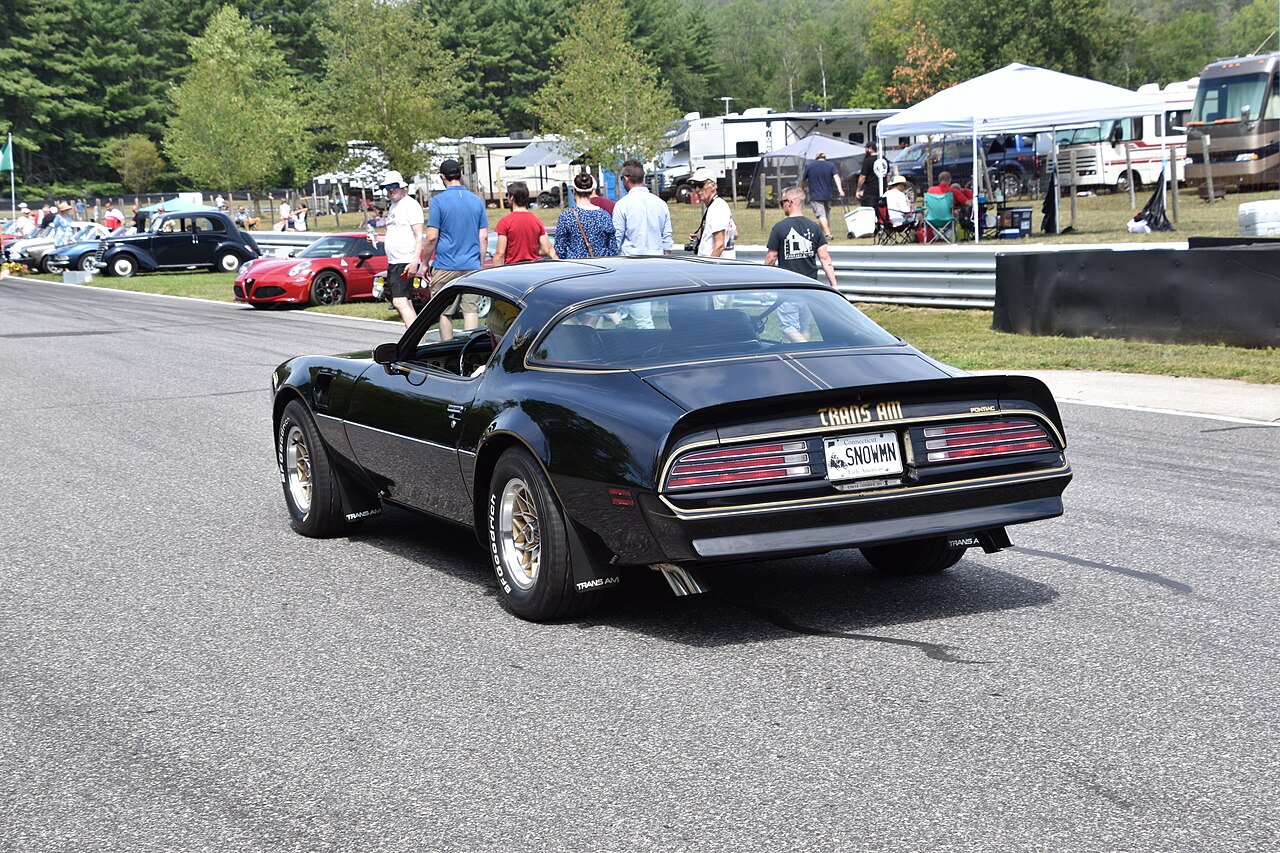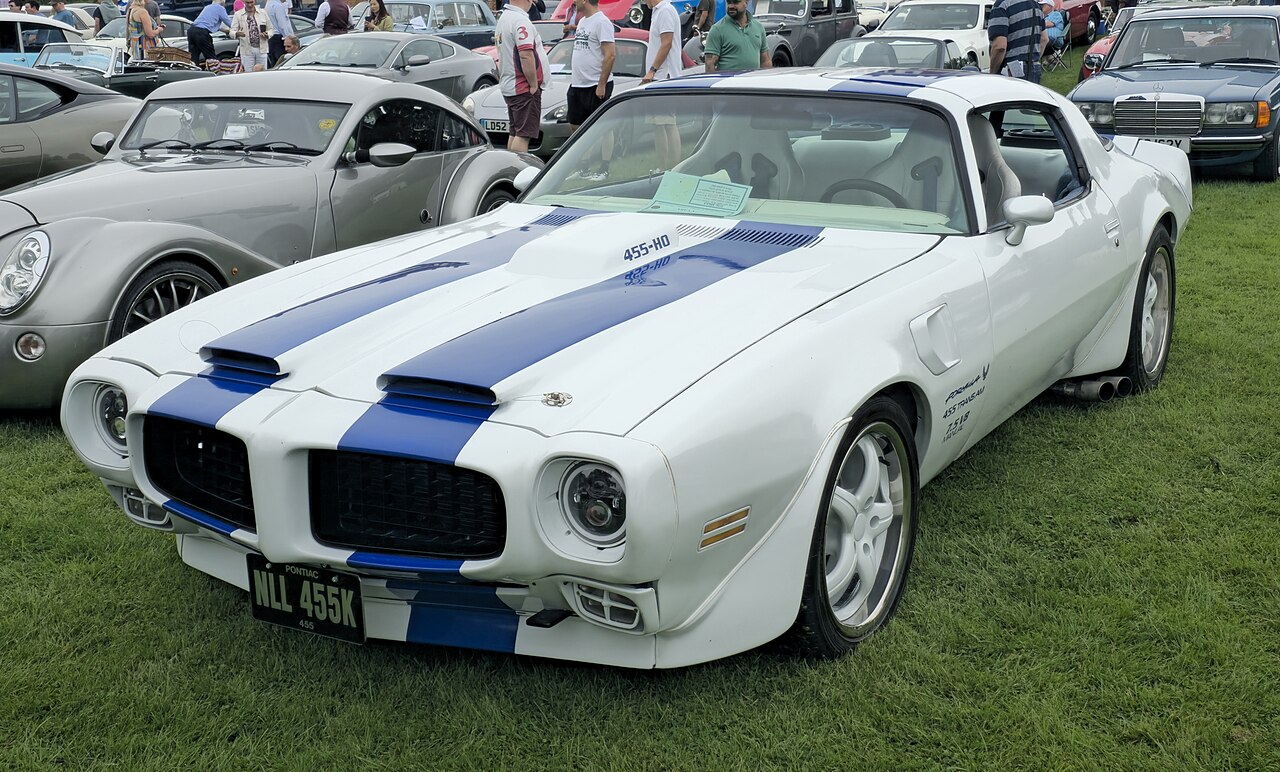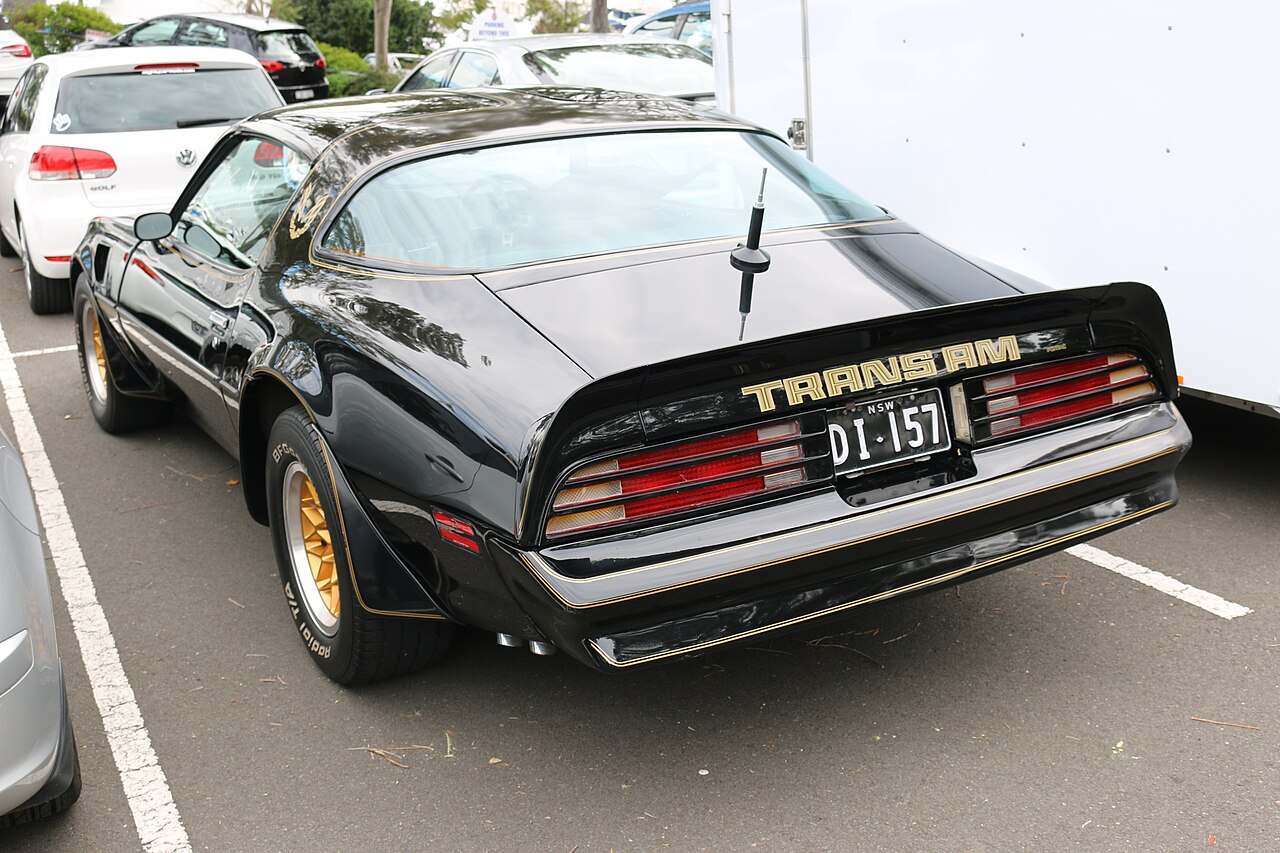
Sourcing 1978-1981 Trans Am seat covers that actually fit and look correct is more involved than picking a color and clicking buy. The seat architecture, pleat pattern, vinyl grade, and interior color code all matter, and they vary across this four-year span. Get the wrong cover and you will know it the moment you stretch it over the seat. This guide breaks down what you need to know before you order.
What Separates the 1978-1981 Seat from Earlier Second-Gen Trans Ams
The second generation ran from 1970 through 1981, and the interior evolved considerably during that time. By 1978, Pontiac had established what most enthusiasts consider the definitive late second-gen interior layout: high-back bucket seats supplied by Lear Siegler, a center console, and a dash configuration refined through the mid-Seventies updates.
The Lear Siegler seats were not an upgrade or a factory option. They were standard Trans Am equipment across the entire 1978-1981 production run. Every Trans Am in those four years left Norwood or Van Nuys with those buckets unless a dealer or previous owner made changes afterward.
What changed across this range was the specific trim treatment on the seatbacks and cushions. Pleat patterns, bolster profiles, and insert configurations evolved from year to year. A seat cover cut for a 1978 seat may not fit correctly on a 1981 seat even if the two look similar at a glance. Suppliers who specialize in second-gen Pontiac parts catalog covers by model year separately rather than grouping the entire four-year span under one part number. That distinction matters when you order.
Interior color availability also shifted by year. Common offerings across the span included black, blue, camel (a medium tan), and carmine (a deep red), though specific availability varied by year and by option package. The most reliable way to confirm what your car left the factory with is to locate the trim tag. On second-gen Firebirds and Trans Ams, the trim tag is typically on the top of the dashboard visible through the windshield, or on the driver-side door jamb. The code on that tag tells you the exact factory interior color, and any reputable seat cover supplier can cross-reference it.
Factory Materials: Vinyl, Not Leather
This point generates real confusion in the Trans Am restoration hobby, so it deserves a straight answer. Factory Trans Am seats from 1978 through 1981 were upholstered in vinyl. Not leather. Not leatherette. Vinyl.
If you see seat covers advertised as "factory leather" for a standard 1978, 1979, 1980, or 1981 Trans Am, that is not an accurate description of what Pontiac built. There was exactly one second-