If you are shopping for replacement upholstery for a second-generation Pontiac, one question comes up first: how much do Trans Am seat covers cost? The answer gets complicated fast. A quick search returns everything from budget sets under $200 to premium reproductions pushing past $1,000. The gap between those extremes is real, and it matters for your build.
This guide covers 1970 to 1981 second-generation Trans Ams and Firebirds only. If you are working on a 1982-or-later third-generation car, the seat designs and part numbers are different.
What Drives the Price of Trans Am Seat Covers
Four factors control the price more than anything else.
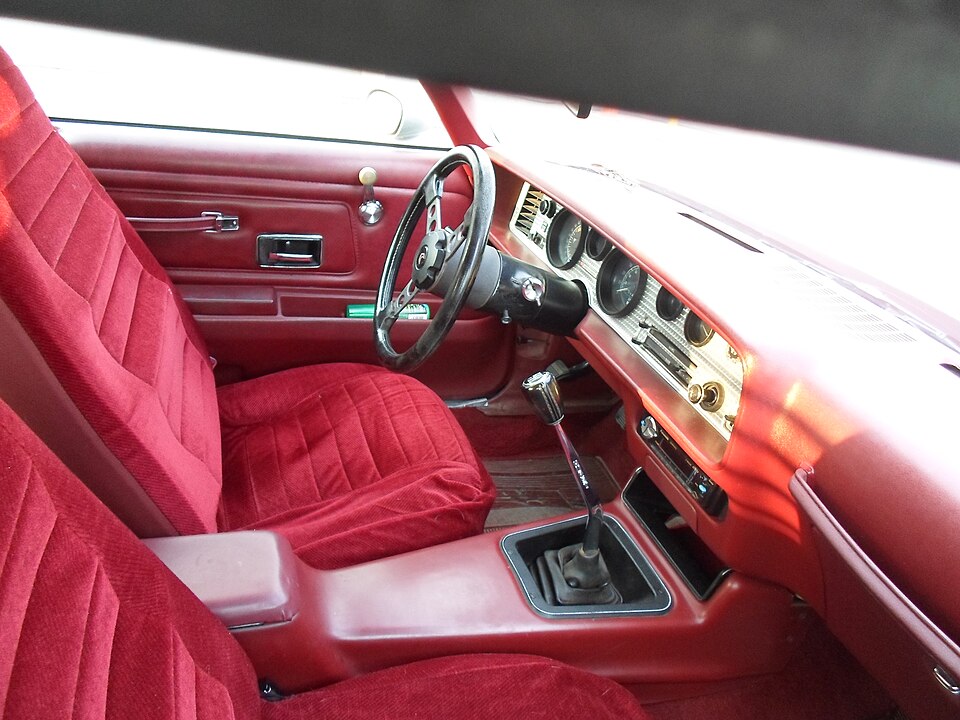
Material quality. Factory Trans Am and Firebird seats were trimmed in vinyl. That is not a budget shortcut; it was the correct factory specification, and the grain pattern, weight, and color of that vinyl varied by model year. A cheap seat cover often uses a generic grain that looks wrong the moment you put it next to an original. A quality reproduction will be tooled to the correct grain, and that costs more to source and produce.
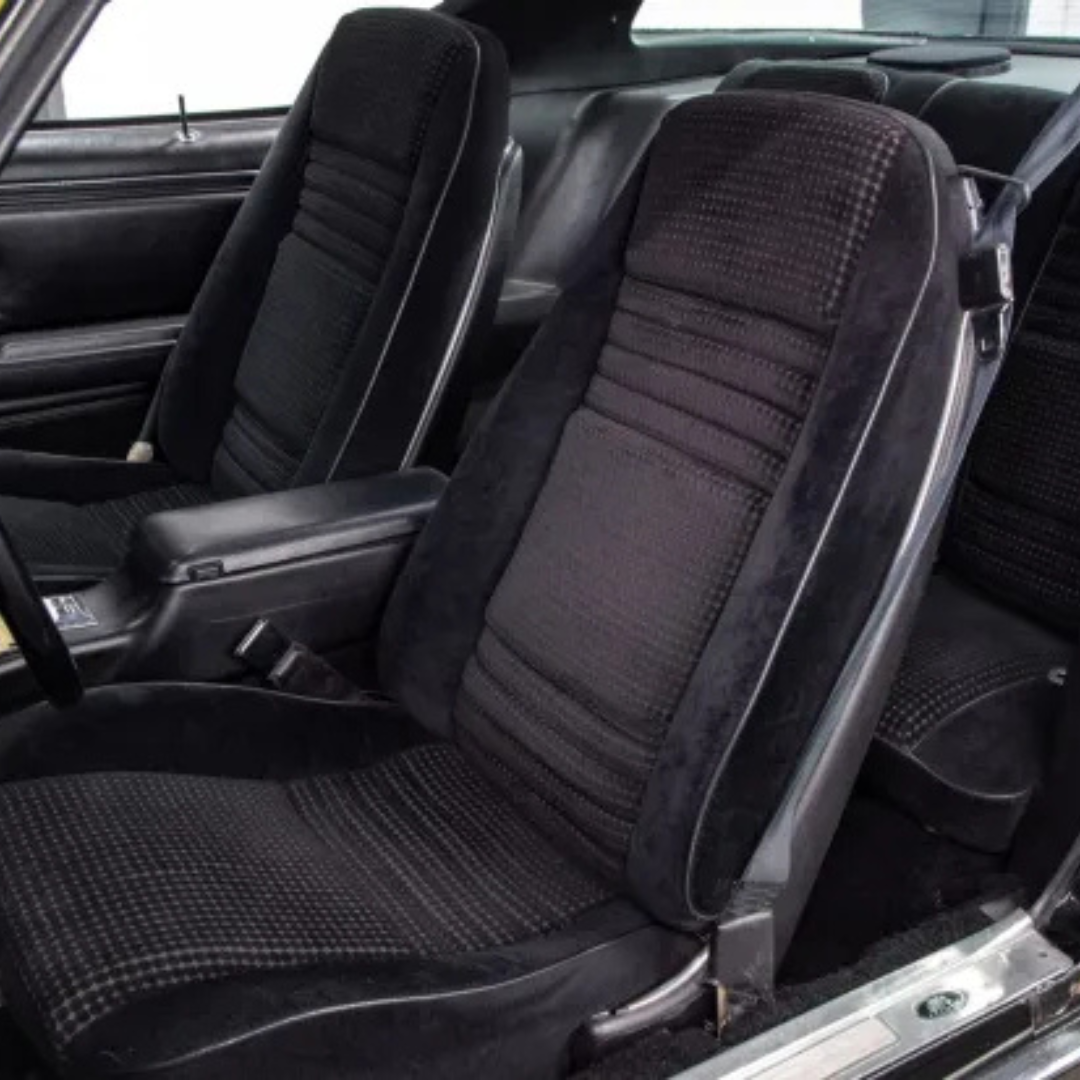
Stitching and construction. The deluxe bucket seats used as standard equipment in Trans Ams are structured pieces with specific seam placements. The cover has to align with the pleats, piping runs, and headrest area precisely. Cut corners there and the cover bunches, pulls, or misaligns. Better suppliers do the tooling work to get this right, and you pay for it.
Color accuracy. Interior colors changed across the second-gen run, and getting a cover in your car's correct factory color rather than a generic approximation typically costs more. If your car carries an option package like the Y84 Special Edition, the interior combination is specific, which limits the supplier pool and can push prices up.
Front only or a complete set. Most buyers are pricing out front bucket seat covers because those take the most wear. Rear seat covers are available but usually sold separately. A quote for "a set" might mean fronts only, so confirm before you order.
Price Ranges: What to Expect at Each Tier
The following ranges reflect approximate market pricing as of mid-2025 from established classic car parts suppliers. Treat them as reference ranges, not guarantees, because pricing shifts and varies by supplier.
Budget / Economy: $150 to $250 for a Front Pair These are off-the-shelf covers, often made to a general fit rather than tooled to factory specs. The vinyl grain is usually wrong, stitching patterns often deviate from factory, and color accuracy is approximate. For a driver-quality car that just needs protection from further wear, they function. For any car you care about presenting correctly, they tend to disappoint.
Mid-Range Reproduction: $350 to $600 for a Front Pair This is where most restorations land. Suppliers at this tier use correct grain vinyl, match factory stitching patterns, and offer color options that align with actual GM interior codes. The finished product looks right, installs as a DIY project, and holds up in real use. For most second-gen Trans Ams being driven and shown locally, this tier hits the sweet spot.
Premium / Show-Quality: $700 to $1,200 or More for a Front Pair At this level you are paying for certified-correct materials, precise color matching referenced to a specific model year, and in some cases hand-finished stitching. Suppliers at this tier often work from original factory samples or new-old-stock references. If you are building for a concours class or your car carries a high-value option like the 1979 Y89 10th Anniversary package, this is the tier to target.
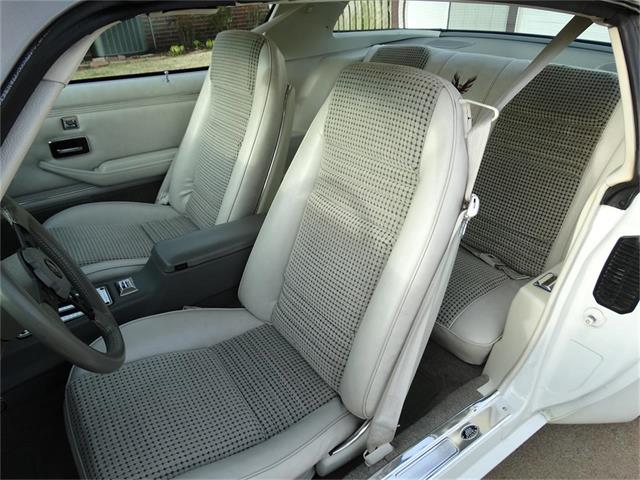
The 1979 10th Anniversary Trans Am (Y89): A Category of Its Own The 1979 10th Anniversary Trans Am is the only second-generation Pontiac that left the factory with leather-trimmed seats. The interior was silver leather in a Platinum Silver Metallic car with period-specific anniversary badging throughout. The Pontiac Oakland Club International documents Y89 specifications in detail for judging purposes. Reproduction covers for this car are a specialized product, and pricing reflects that rarity. Budget for the premium tier and verify that any supplier explicitly references the Y89, not just a generic 1979 Trans Am application.
Year-by-Year Considerations for 1970 to 1981
The second-gen body ran for twelve model years, and the seat design evolved across that span. Early cars (1970 to 1973) have different seat frames and foam profiles than mid-run cars (1974 to 1978), which differ again from the late cars (1979 to 1981). A cover listed as fitting a "1970 to 1981 Firebird" without further qualification is a red flag. Specific fitment by year, or at minimum by design generation within the second gen, is what you should be looking for.
A few year-specific notes worth knowing before you order:
The 1970 and 1971 model years used a separate headrest pad design that differs from later cars. Covers for these years need to account for that construction.
Mid-run cars from roughly 1974 to 1978 saw the most consistency in seat design, which is why parts availability and pricing are generally strongest for this window.
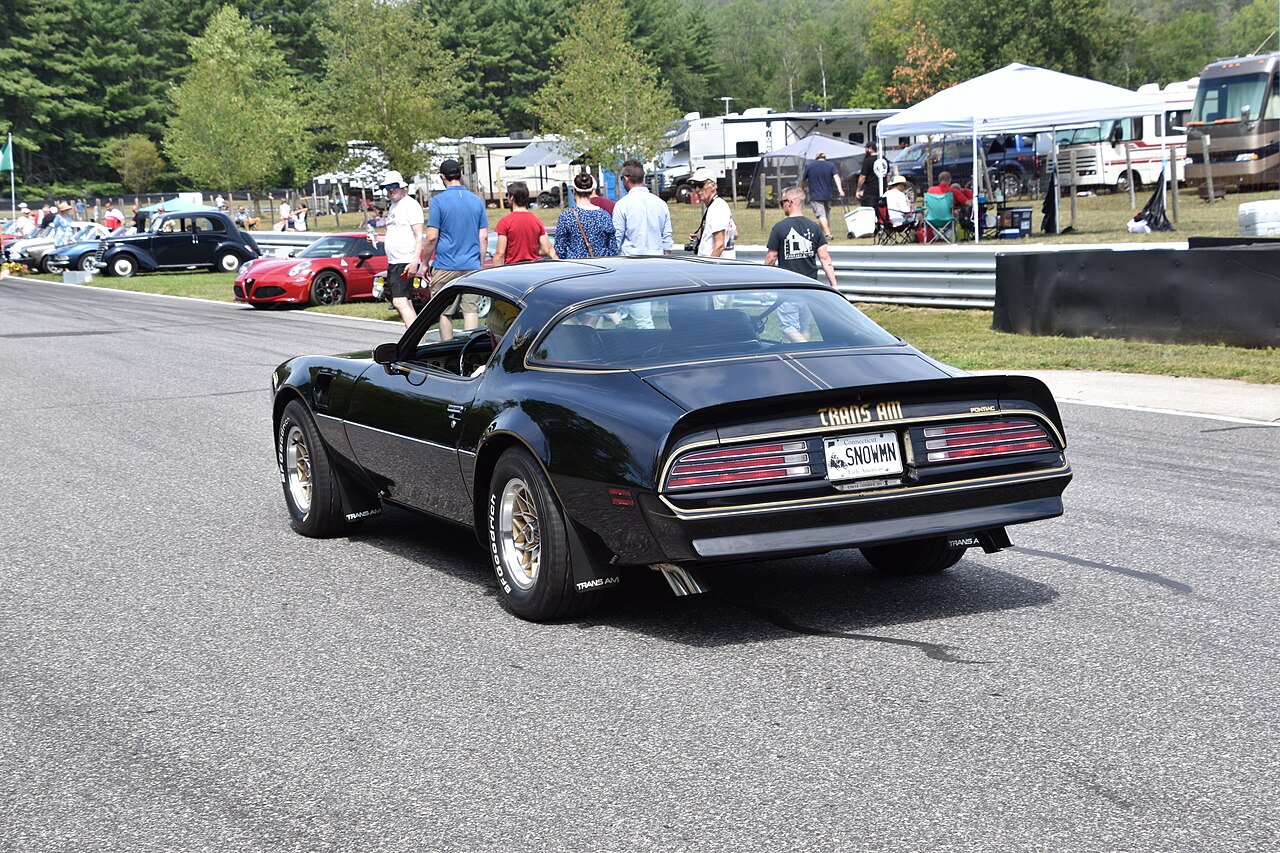
Cars with the Y84 Special Edition package use a specific interior color combination paired with the black-and-gold exterior. If your car has the Y84, confirm that your supplier can match your actual GM interior code rather than defaulting to a generic option.
The 1981 model year was the last of the second gen. Some color and trim combinations were dropped from the order sheet as production wound down, so availability for 1981-specific interiors can be thinner than peak-year cars.
The Vinyl Question: Why Factory Material Matters
Some buyers wonder whether to upgrade to leather during a seat cover replacement. For second-gen Trans Ams, factory-correct means vinyl. The only exception in the entire second-gen run is the 1979 Y89, and even that is a very specific silver leather-trimmed specification, not a generic upgrade choice. Installing leather on any other second-gen Trans Am is a modification, not a restoration, and that distinction matters for show judging and for resale value.
The good news is that quality reproduction vinyl has improved considerably. A correctly grained and properly installed vinyl cover from a reputable supplier looks period-correct, wears well, and does not require the maintenance that leather does in temperature extremes.
Where to Source Seat Covers for a Second-Gen Trans Am
Stick with suppliers who specialize in second-gen Firebird and Trans Am parts rather than general upholstery houses. The fitment accuracy difference is significant, and a specialist will be able to confirm your exact color code and year before the order ships.
Before placing any order, ask these questions:
Does the listing specify my exact model year, not just a broad range? Can the supplier match my car's actual GM interior color code? What vinyl grain pattern is used, and is it referenced against a factory sample? Is the rear seat cover available in a matching specification?
A supplier who can answer those questions directly is worth your business.