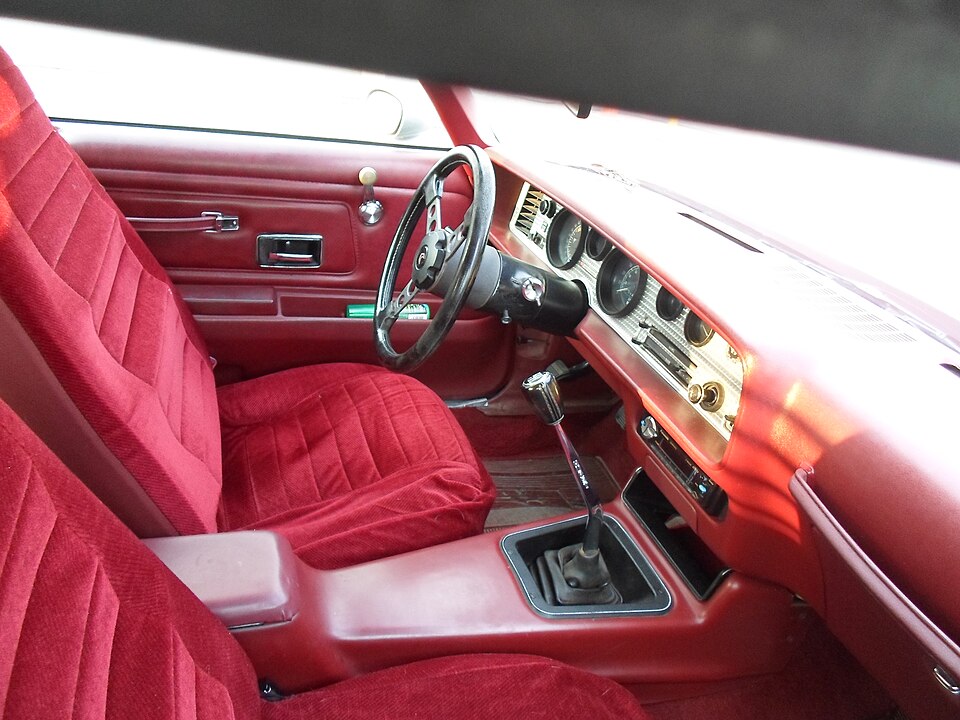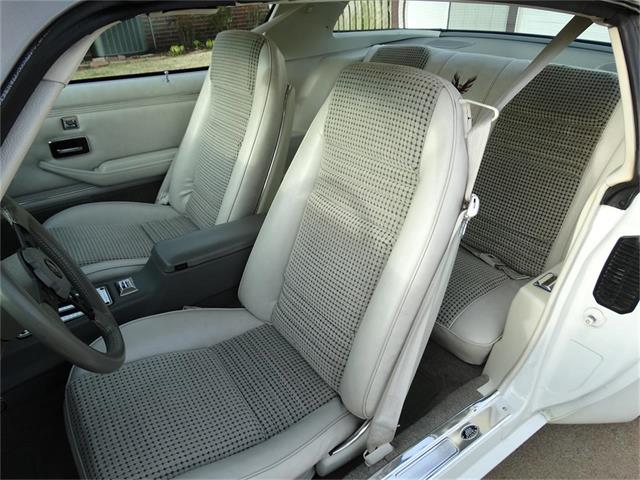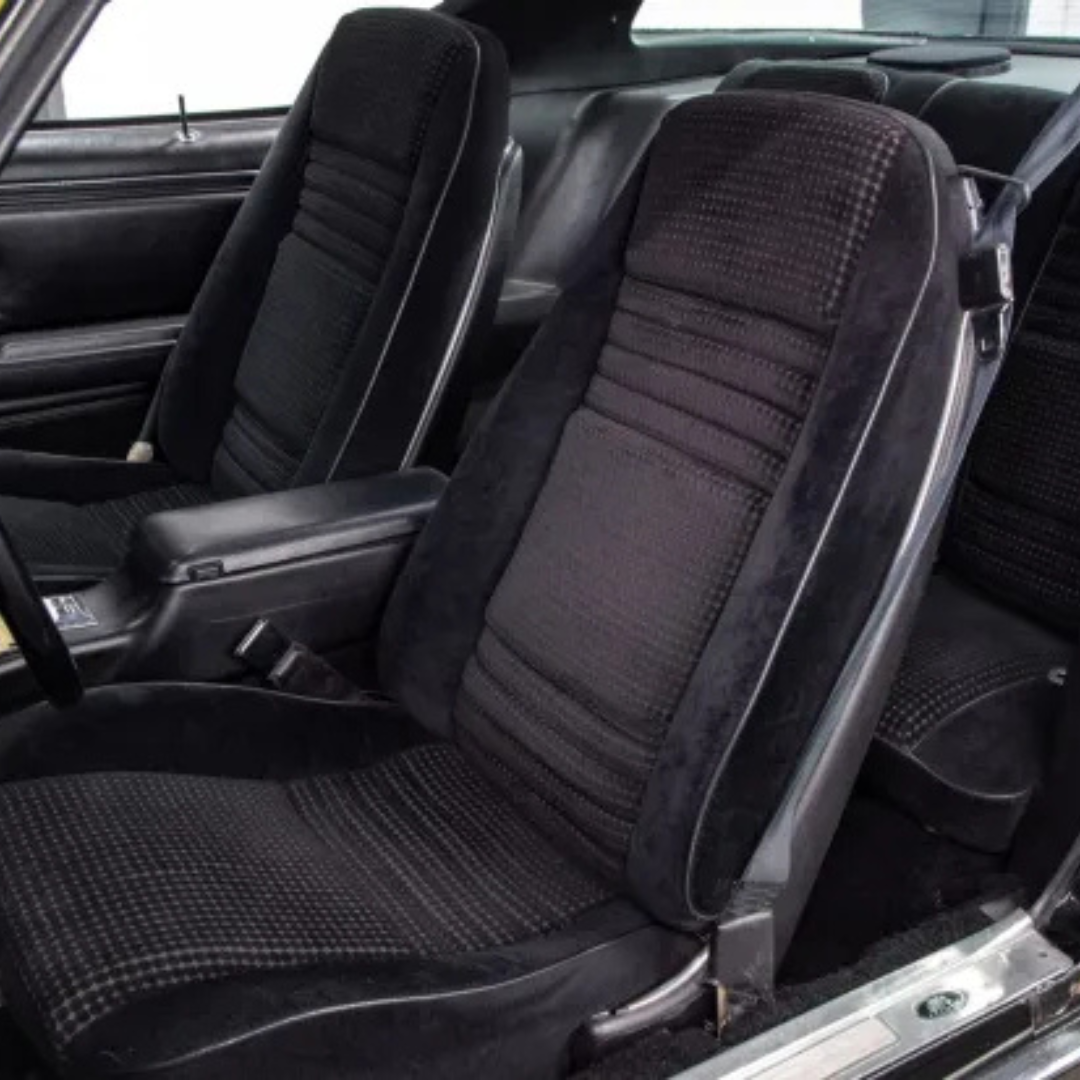
Pontiac Firebird seats are one of the first things people notice inside a second-generation car, and they are also one of the most commonly misunderstood parts of a restoration. The single most important fact to get right is the material: factory Firebird seats were vinyl, not leather. The one exception in the whole second-generation run is the 1979 10th Anniversary Trans Am, which came with silver leather-trimmed seats in Platinum Silver Metallic. Every other 1970 to 1981 Firebird and Trans Am left the factory in vinyl. If you want a correct car, that fact drives every decision that follows, so this guide walks through the materials, the color codes, and how to bring tired seats back to factory condition.
What the Factory Actually Used
Second-generation Firebird and Trans Am seats were upholstered in vinyl as standard equipment. They were not an upgrade or an option box you ticked. Because the seats were part of a coordinated interior, the seat color was matched to the door panels, carpet, and other trim within a single factory color package. Getting the material and the grain right is what separates a correct restoration from a car that looks close but reads wrong to anyone who knows these interiors. ## Matching Your Color Code
Before you order anything, find your interior trim code. It is on the data plate, typically in the door jamb or the glove box area, and it tells you exactly which color combination the car was built with. Restore to the code, not to the faded color you see today, because decades of sun can shift a color far from where it started. Reproduction covers are sold by color, so the code is your ground truth.
Rebuilding the Seats
A seat rebuild is within reach for a patient home restorer. The usual sequence is to strip the old covers, inspect the frames for cracks or broken springs, replace the foam buns if they have collapsed, then fit new covers and secure them with hog rings. Fresh foam matters more than people expect, because a perfect cover over crushed foam still looks and feels wrong. Work slowly, use heat to relax the vinyl so it stretches without tearing, and take your time getting the seams straight.
If you would rather not tackle it yourself, a good automotive upholstery shop can rebuild a set to a high standard. For broader interior work, see our restoration guides.
Reproduction Versus Original
Reproduction covers have come a long way and are the practical choice for most cars. When you order, confirm the grain and the color match your code, and check that the pattern matches your year, since details changed across the run. An original set in usable condition can be worth preserving on a low-mileage survivor, but for a driver, correct reproductions give you a fresh, factory-looking interior without the hunt.
When You Want Something Better Than Off-the-Shelf
Some owners want more than a factory-style kit. They want the interior to look intentional and custom, above what mass-produced covers deliver. If that is you, we build custom leather seat covers by hand for 1978 to 1981 cars, with Firebird or Trans Am embroidery, French stitching, and a standard color set or custom match, built to fit the original frames. Only the 1979 10th Anniversary Trans Am left the factory with leather, which is what makes it an upgrade on any other car rather than a replacement. You can start a custom seat inquiry and we will follow up about your set.