When people search for a 1979 Trans Am body kit, they typically mean one of two things: the collection of factory exterior components that visually and aerodynamically separate a Trans Am from a base Firebird or Formula, or reproduction replacement panels for a car that has taken on 45-plus years of use. This article covers both. The 1979 Trans Am rode the same basic second-generation shell Pontiac introduced in 1970, but the specific front fascia, integrated air dam, rear spoiler, and fender extensions give it a visual identity that no base Firebird could match from the factory.
What the 1979 Trans Am Exterior Package Consists Of
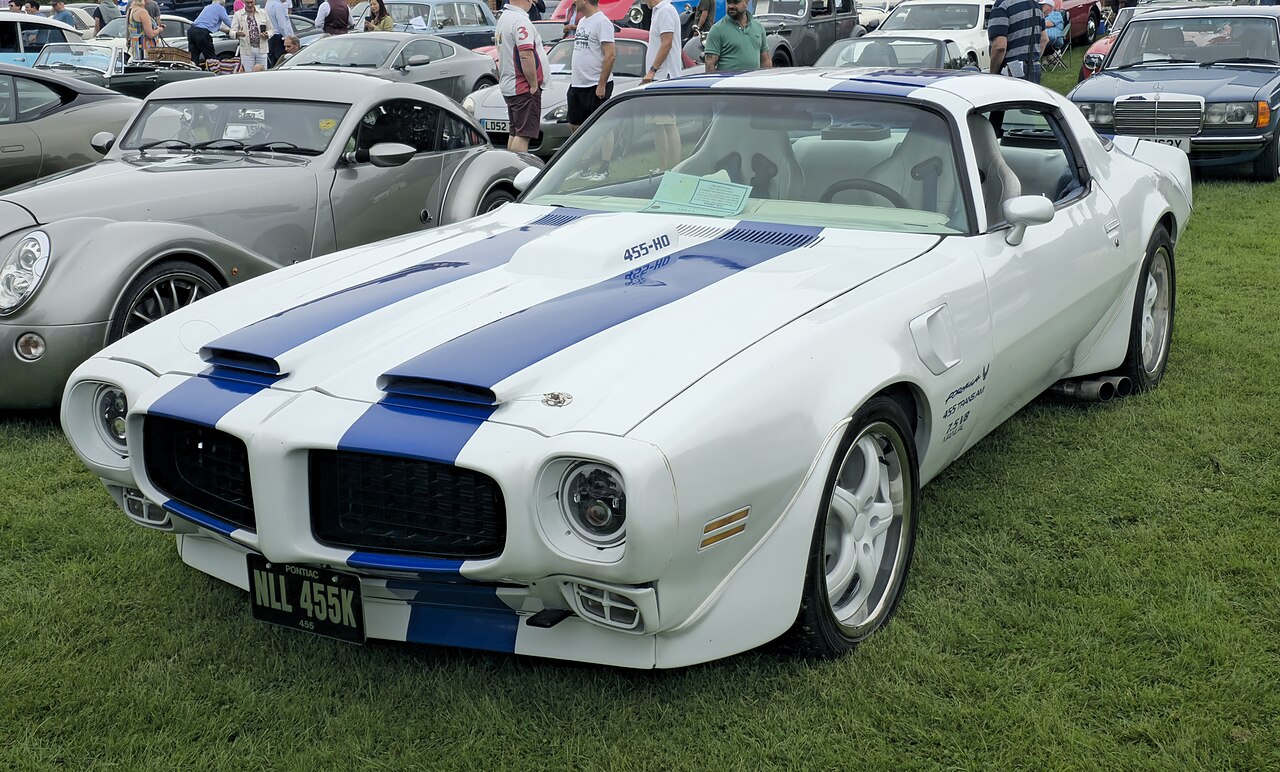
The Trans Am's body distinction was never purely cosmetic. Pontiac engineered real aerodynamic and structural differences into the panels that separated the model from the rest of the F-body lineup. On a 1979 car, the factory body package breaks down into these main components:
Front fascia and integrated air dam. A single urethane unit, painted to match the body color, with the pointed profile that Pontiac introduced on the 1977 redesign. The lower air dam is part of this assembly, not a separate piece.
Rear deck lid spoiler. The large, prominent wing-style spoiler bolted to the trunk lid. This was standard Trans Am equipment in 1979, not an option. The trunk still opens with it installed.
Front fender extensions. The flared wheel arch pieces that give the Trans Am's front fenders a wider, more aggressive profile than the base Firebird.
Rear quarter extensions. Matching flares at the rear quarters, rounding out the Trans Am's wider stance.
Lower body rocker trim and moldings. Body-color or contrasting strips along the lower body perimeter, including the door sill area.
One clarification worth making early: the WS6 package available on 1979 Trans Ams was a suspension and brake upgrade. It added larger sway bars, stiffer springs, four-wheel disc brakes, and specific wheel and tire fitments. It contributed zero unique body panels or exterior sheetmetal. If you see a listing that describes WS6 body pieces, the seller does not understand what WS6 is.
The 1977 Front End Redesign and What It Means for Ordering Parts
The 1979 nose is a 1977-to-1981 piece. Pontiac significantly redesigned the front end for the 1977 model year, replacing the blunter profile of the earlier cars with the more pointed, lower snout that most people associate with the late second-generation Trans Am today. If a supplier lists a reproduction front fascia as fitting 1977 through 1981, that is the correct application range for a 1979 car.
The factory fascia is urethane construction, which flexes rather than cracking in minor impacts. That durability is why so many originals survive, but decades of heat cycling, parking lot contact, and neglect leave most original noses warped, stress-cracked around mounting edges, or showing paint adhesion failures. A quality reproduction can arrive in better overall condition than a tired original, and the cost of straightening and prepping a damaged original often exceeds the cost of a new piece.
Fitment is the variable that separates a satisfying purchase from a frustrating one. Gaps at the headlight bezels and along the fender leading edge are the most common complaint with lower-quality reproductions. Read buyer feedback that is specific to the 1979 application fit, not just a general supplier star rating, before placing an order.
Rear Spoiler and Tail Panel Considerations
The rear deck spoiler is one of the most photographed parts of any 1979 Trans Am, and reproduction units are widely available. Before ordering, verify that the mounting hole pattern on the reproduction matches your actual trunk lid. If the lid has been replaced at any point, it may be from a different year or even a different Firebird model, and hole locations can vary.
The tail panel sitting below the spoiler and above the rear bumper is another common damage point. Road debris, minor backing impacts, and rust along the lower edge all take a toll. Reproduction tail panels for the 1977-to-1981 cars do exist in the aftermarket, though they appear less frequently in supplier catalogs than front-end pieces. When ordering, confirm whether the listing is for the complete panel or just the upper trim section.
Fender Extensions, Flares, and Body Moldings
Front and rear fender extensions in the reproduction market are offered in both ABS plastic and fiberglass. For a driver-quality restoration or a car that will see regular road use, ABS holds paint more consistently than fiberglass and resists print-through over time. Fiberglass pieces can be appropriate for a show build where the owner has more control over the environment, but for street driving ABS is the more practical material.
Body moldings, rocker strips, and the individual trim pieces that make up the lower body are reproduced by multiple suppliers. These are also among the first items to go out of stock permanently as the restoration market for second-gen cars evolves. If you locate correct pieces in stock, ordering them sooner rather than waiting for budget makes sense. Trim pieces that were common catalog items five years ago occasionally become unavailable with no announced replacement.
The 10th Anniversary Trans Am: Body Differences to Know
The 1979 model year included one distinct variant that deserves its own discussion: the 10th Anniversary Trans Am, RPO code Y89. Approximately 7,500 were produced, all finished in Platinum Silver Metallic exterior with specific silver-accented trim and T-tops included as standard equipment. The exterior differences from a standard 1979 Trans Am include special anniversary badging, the silver exterior-specific color coordination, and trim pieces tied to the anniversary package.
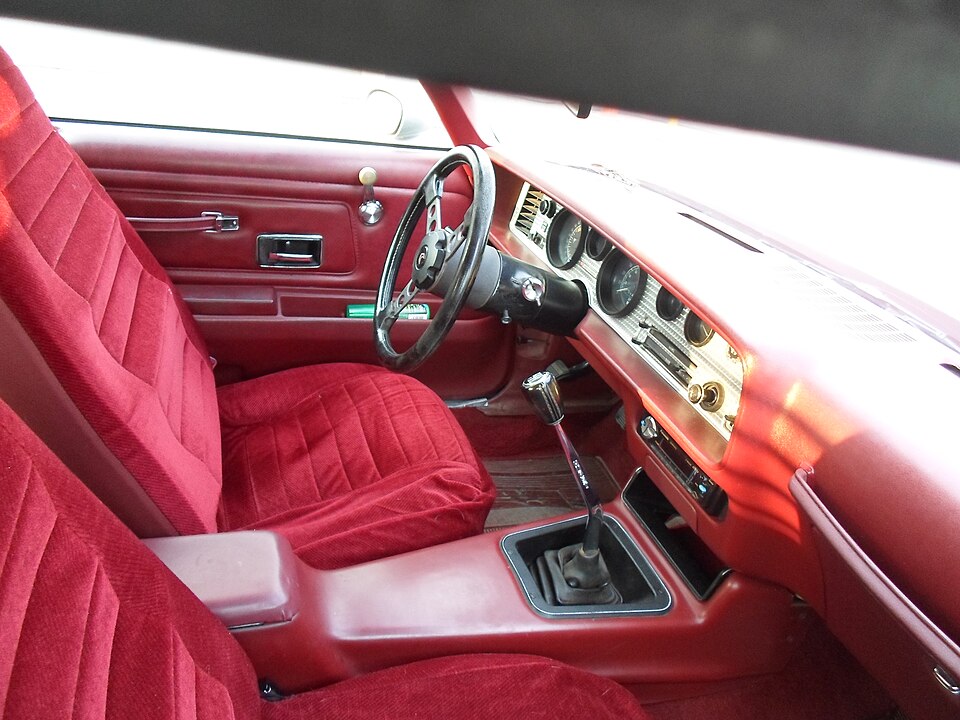
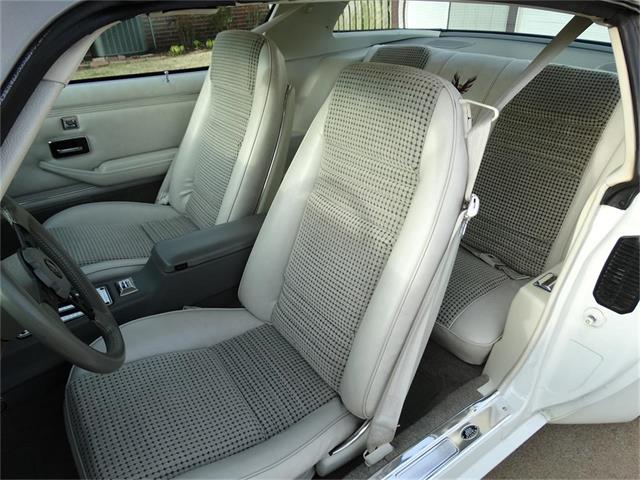
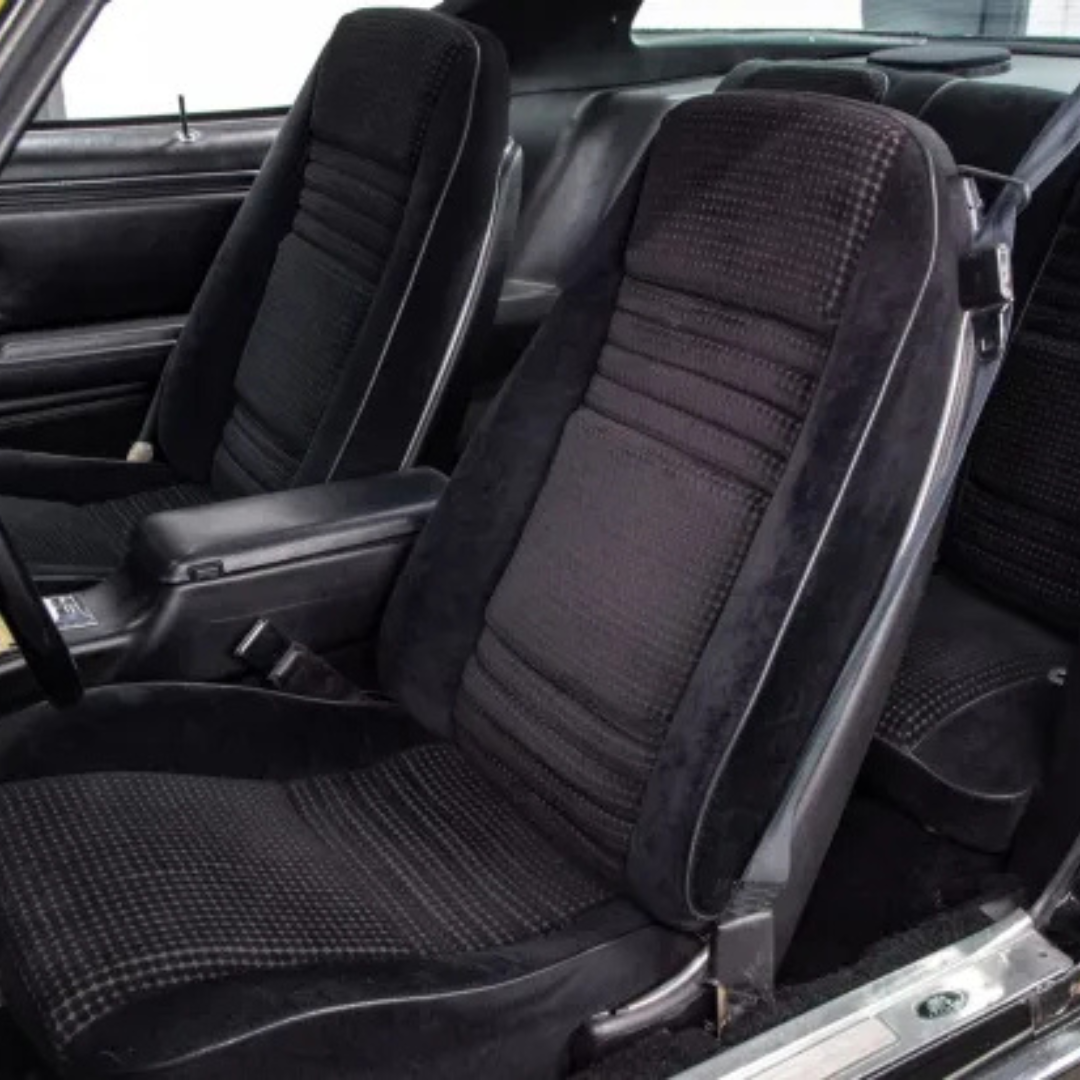
The Y89 is also the only second-generation Trans Am that left the factory with leather seats. The silver leather interior is specific to this one model and this one year. No other second-gen Trans Am or Firebird used factory leather. If you are restoring a standard 1979 Trans Am, the correct seat surface is vinyl. The Deluxe Bucket was standard Trans Am equipment from 1978 through 1981.
If you own a Y89 and are sourcing exterior components, work from the broadcast sheet or a Y89-specific guide. Some standard 1979 exterior pieces do cross-reference correctly, but anniversary-specific trim does not interchange with standard pieces. The Pontiac-Oakland Club International maintains Y89 documentation and authentication resources that are useful for verifying correct components on a 10th Anniversary car.
Restoring vs. Replacing: Practical Considerations
A full exterior refresh on a 1979 Trans Am typically involves decisions across four areas.
Repairability of originals. Surface crazing or minor cracking on a urethane fascia can sometimes be addressed with a flexible filler and correct primer. Warping or significant impact deformation is harder to fix cleanly, and replacement is usually the better outcome.
Used takeoffs vs. new reproduction. Used take-off pieces from low-mileage cars appear at swap meets and online auction sites occasionally. They offer original-quality material at lower cost than new reproduction parts. Inspect them in person whenever possible. A large front fascia that arrives cracked after cross-country shipping creates a frustrating situation that offsets any savings.
Primer and prep. Reproduction urethane pieces require a flexible adhesion promoter and urethane-specific primer before color coats go on. Standard primer applied directly to urethane will peel within a few seasons. This is not a step to skip in order to save time.
Mounting hardware. Reproduction clips, fasteners, and grommets for the fascia, spoiler, and flares are available and should be replaced during reassembly. Reusing original 45-year-old plastic retaining clips is a reliable way to end up with a rattling fascia six months after the restoration is complete.