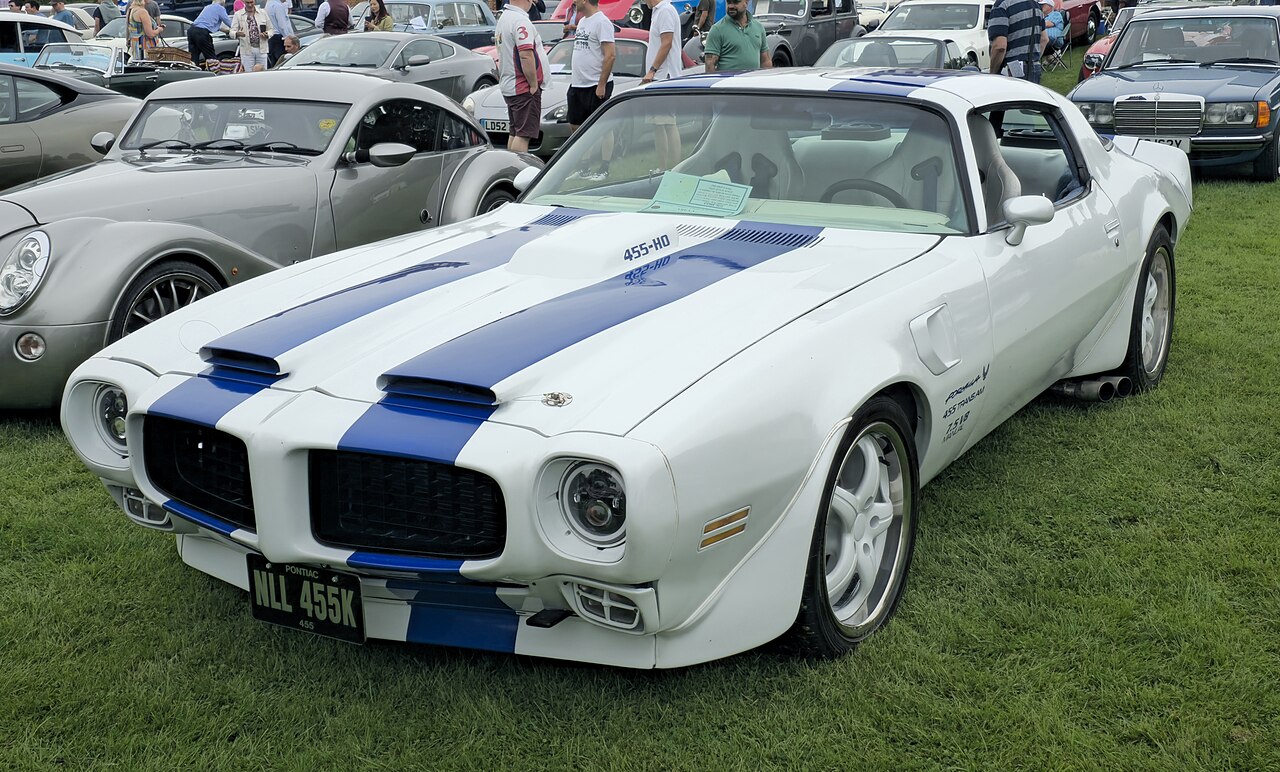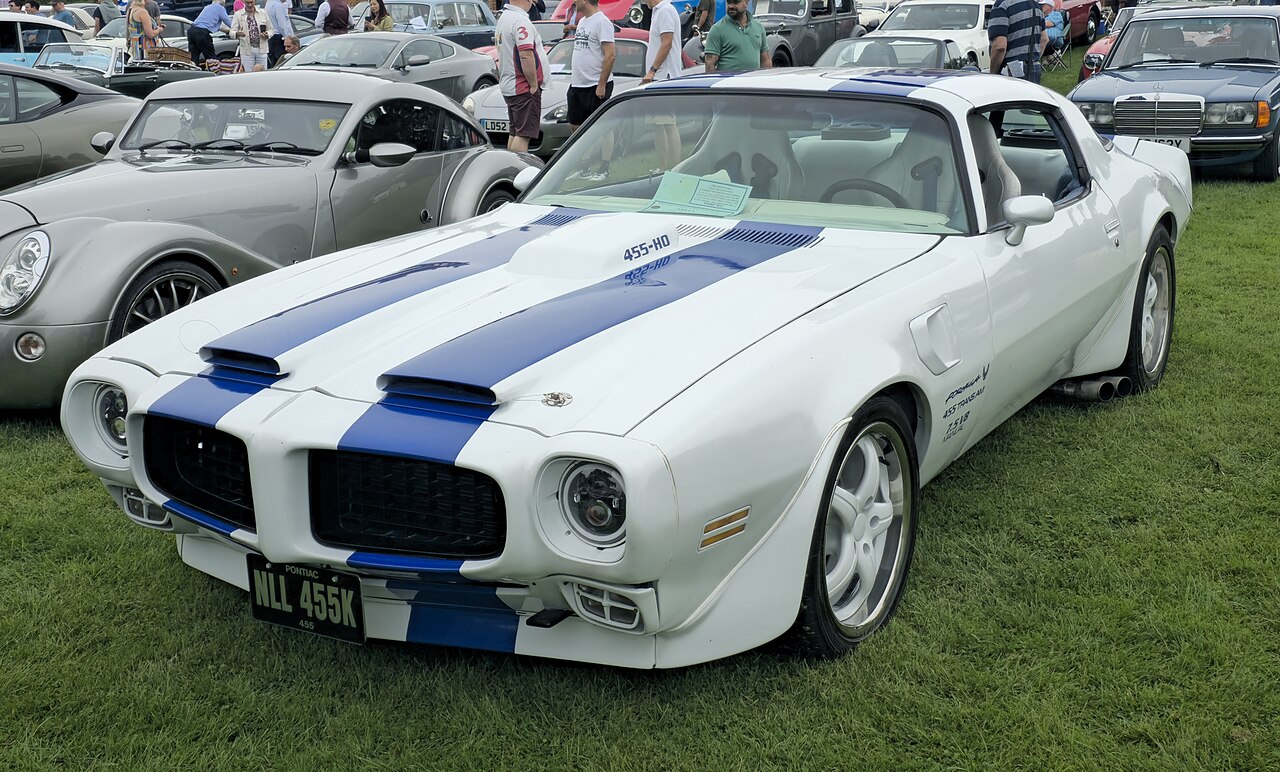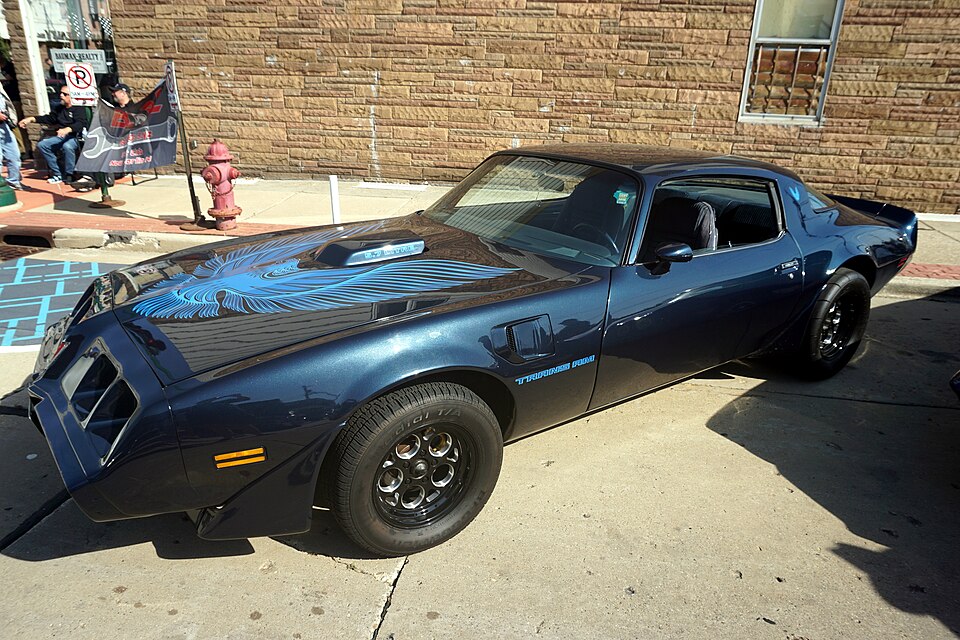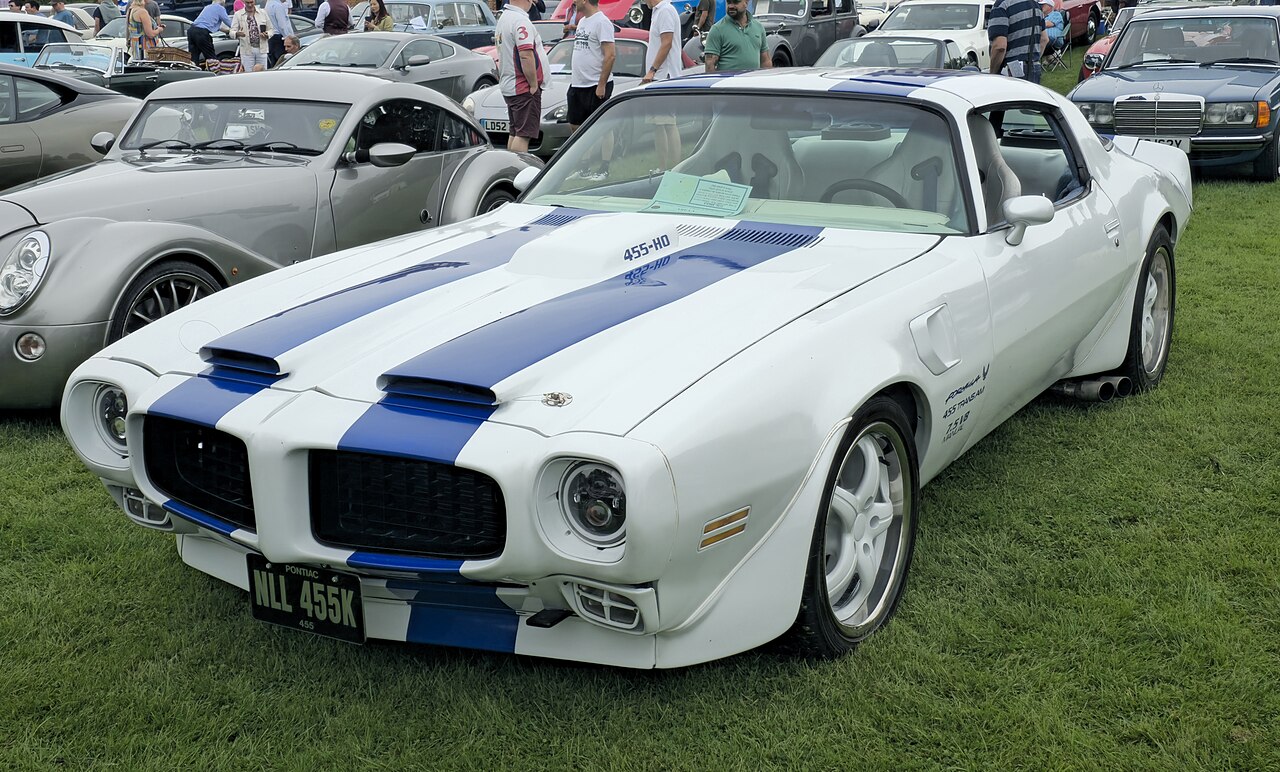
Going out for a 1979 trans am test drive is one of the more rewarding steps in second-gen ownership. Whether you're evaluating a purchase or finally getting a turn behind the wheel of a car you've admired for years, the 1979 is a distinctive drive. It was also the highest-production Trans Am year to that point, which means more cars survived, but it also means condition varies enormously from car to car. Here is what to expect from the experience itself, and what to look for before you sign anything.
What a 1979 Trans Am Actually Feels Like Behind the Wheel
The first thing you notice when you close the door is mass. A 1979 Trans Am with the standard Turbo-Hydramatic automatic tips the scales at roughly 3,600 pounds, and the car communicates that weight the moment you ease out of a driveway. This is not a lightweight sports car. It is a muscle-era American coupe engineered to feel substantial at every speed.
Pull onto a main road and the powertrain character comes through immediately. With the standard 403ci Olds V8 under the hood, throttle response is deliberate rather than instant. The 403 produces smooth, linear torque across the rpm range. It moves the car with authority without ever feeling frantic. Freeway on-ramp pulls are effortless and the engine settles into a relaxed highway cruise with little drama.
The exhaust note through the factory dual exhaust is one of the more satisfying sounds in American production cars from this era. At idle it is a low, even burble. Under hard throttle it opens up into something genuinely impressive, particularly if the previous owner left the system largely stock or added only a moderate muffler change.
Steering is power-assisted and tuned on the heavier side by modern standards. Turn-in is accurate but requires intent. This is a car you steer actively, not one that changes direction on a suggestion. Body roll in corners is noticeable on cars without the WS6 handling package. With WS6, the balance improves through enlarged front and rear sway bars and recalibrated spring rates. If the seller mentions WS6, ask to see the trim tag confirmation, because it is worth verifying.
Brakes are front disc, rear drum from the factory. Pedal feel on a well-maintained system is firm and linear. If the pedal is soft or requires significant travel before the car slows, budget for a brake job immediately.
The Three Engine Options and What They Mean for the Drive
Knowing which engine is in the car changes everything about evaluating a 1979 Trans Am. Three engines were available:
The 403ci Oldsmobile V8 was the standard Trans Am engine, rated at 185 horsepower. It was California-certified, which made it the only engine available to California buyers. The 403 is a torquey, reliable unit that responds well to basic maintenance. It is not a high-performance engine by Trans Am standards, but it is not slow either. The vast majority of surviving 1979 Trans Ams have this engine under the hood.
The 400ci W72 Pontiac V8 was the performance option, marketed as the T/A 6.6. It was rated at 220 horsepower and carried a performance camshaft, a different carburetor calibration, and a higher compression ratio than a base 400. The 400 was not California-certified, so it was unavailable on California-spec cars. On the road, the W72 feels meaningfully stronger than the 403, with sharper throttle response and a broader powerband through the mid-range. W72 cars carry a price premium, and engine swaps happen, so confirm identity through the VIN decode and by reading the engine ID stamp on the block directly.
The 301ci Pontiac V8 was a credit option available to buyers who wanted a lower purchase price. It was rated at approximately 140 horsepower. Performance on a 301-equipped car is noticeably softer than either V8 above. This is not a dealbreaker for a relaxed driver car, but set expectations accordingly. Note that the turbocharged 301 came in 1980, not 1979. The 1979 301 is naturally aspirated.
Hemmings Motor News maintains reference guides for GM engine identification and VIN decoding that are worth bookmarking before you go look at a car.
Suspension, Steering, and the WS6 Option
The standard 1979 Trans Am suspension does its job, but 45 years of road use and variable maintenance can undo a lot of the original engineering. During the test drive, pay attention to the front end. Vague steering, wandering at highway speed, or clunking over bumps usually points to worn front control arm bushings, tie rod ends, or idler arm wear. These are common and affordable to address, but factor the cost into your offer.
The WS6 performance and handling package added front and rear stabilizer bars, specific spring rates, and other suspension calibration changes that give the car noticeably flatter cornering behavior. On the highway, a WS6 car also tracks more precisely. WS6 is documented on the trim tag and verifiable through the VIN; a seller's verbal claim is not enough to confirm it.
If the car has T-tops, which were an extremely popular option in 1979, check the rubber seals and the channels around the roof openings carefully. Water intrusion from deteriorated T-top seals is the leading source of rust in second-gen Firebirds. Run your fingers along the headliner above the doors and look for water stains around the lower windshield area and along the A-pillars.
Inside the Car: What to Inspect While You're Sitting There
Standard 1979 Trans Am seats are Deluxe Bucket seats in vinyl. This was the standard Trans Am seat, not an entry-level option. Vinyl holds up well when maintained, but it cracks and splits after repeated sun exposure. Examine the seat bolsters and the seams along the seatback carefully. Surface crazing in the vinyl is cosmetic and common. Deep splits that expose the foam underneath indicate more significant wear and a likely recovering job.
Factory interior colors for 1979 included Oyster, Black, Buckskin, and Red. Oyster appears frequently on white and silver exterior cars. The fit of the door panels, center console, and dash trim should be even across the car. Gaps or misaligned panels often signal a past interior swap or an amateur reassembly after a repair.
One specific item: if the car is presented as a 10th Anniversary Trans Am, the Y89 Special Edition, the seats should be silver leather-trimmed, not vinyl. The Y89 is the only factory leather interior in the entire second-generation Trans Am lineup. If a claimed Y89 has vinyl seats, something has changed from factory specification.
Common Red Flags During the Test Drive
A few things should stop the conversation or significantly change your offer price:
Blue smoke from the exhaust at startup points to worn valve stem seals or piston rings. On any of these engines with unknown miles, treat visible oil smoke as a likely rebuild candidate and price accordingly.
Coolant smell with no visible leak can indicate a weeping intake manifold gasket on the Olds 403, which is a known issue on that engine. On the 400, it can point to head gasket trouble. Either way, investigate before proceeding.
Rear axle noise under acceleration or deceleration deserves attention. The rear differential in these cars is durable, but worn ring and pinion sets or failing bearings announce themselves under load. A short highway pull will surface this quickly.
Rust at the lower quarters and rocker panels is the most common structural problem. Probe these areas firmly. Surface rust on exterior sheetmetal is manageable. Rust-through in the rockers or the floor changes the economics of the project significantly.
Transmission behavior on the Turbo-Hydramatic should be smooth across all three forward gears with no slipping or hard shifts under light throttle. A 4-speed manual should shift cleanly without grinding or jumping out of gear on deceleration. Any anomaly here warrants a transmission inspection before purchase.
Verifying the Build Before You Make an Offer
The trim tag, also called the broadcast card or Fisher body tag, is riveted to the firewall or upper cowl. It encodes the original factory build including interior color, exterior color, engine, transmission, and option packages. If the seller does not have this tag, that is relevant information before you decide whether to proceed. A car with its original trim tag intact is easier to authenticate and typically easier to restore correctly.
The 1979 Trans Am uses a 13-character VIN, visible on the driver's side dash through the windshield. One character in that sequence encodes the engine. Use a published Pontiac-specific VIN decode chart from a reputable resource, then physically read the engine ID stamp on the block to confirm it matches. Visual identification of engine dress and badging is not sufficient on its own because badges and components swap easily.
The Pontiac-Oakland Club International and the Pontiac Historical Society can assist with documentation research if the seller has pursued that avenue. Not every car will have this paperwork, but it is worth asking.