The 1981 Pontiac Firebird specs mark the close of an eleven-year production run. This was the final model year of the second generation, a platform that debuted in 1970 and was heading for a ground-up redesign by the time these cars reached dealerships. Understanding what Pontiac actually offered in 1981 matters if you are buying, restoring, or simply trying to separate the real spec sheet from the stories that accumulate around these cars.
What the 1981 Firebird Offered
The 1981 Firebird was the final second-generation model), built on the F-body platform Pontiac shared with Chevrolet throughout the generation. Four trim levels were available, a structure Pontiac had maintained since 1970.
Base Firebird. The entry point of the lineup, powered by the 231 cubic inch Buick V6 with a two-barrel carburetor. Standard features were deliberately minimal: vinyl bucket seats, manual steering on base configurations, and a short comfort list. It got buyers into the body style at the lowest price.
Esprit. One step up, the Esprit emphasized comfort over performance. It added refined interior trim, body-color bumper end pieces, and additional sound insulation. The Esprit targeted buyers who wanted the Firebird's styling for everyday driving rather than any sporting purpose.
Formula. The Formula sat between the Esprit and Trans Am and was the factory sleeper of the group. It carried performance-focused hood treatment and V8 engine availability without the full graphics package of the Trans Am. A well-optioned Formula was a capable car that did not announce itself at every stoplight.
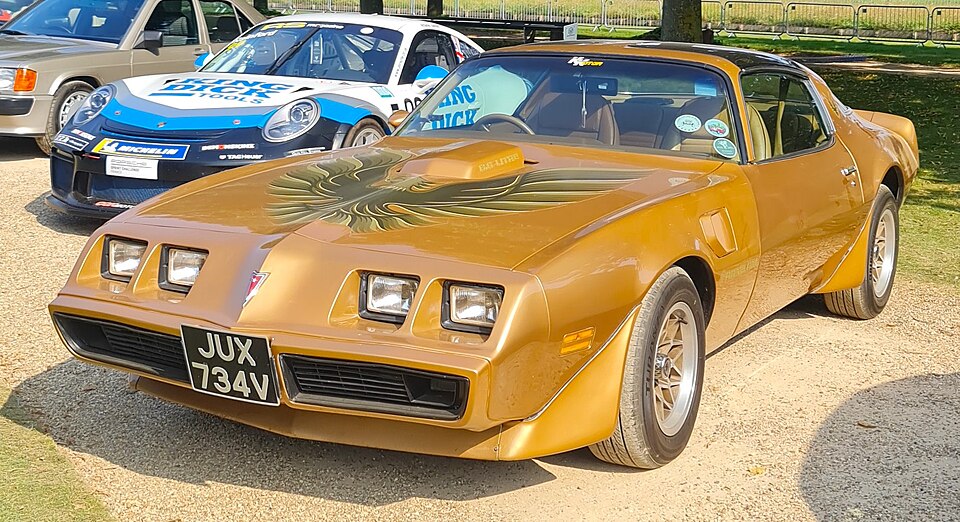
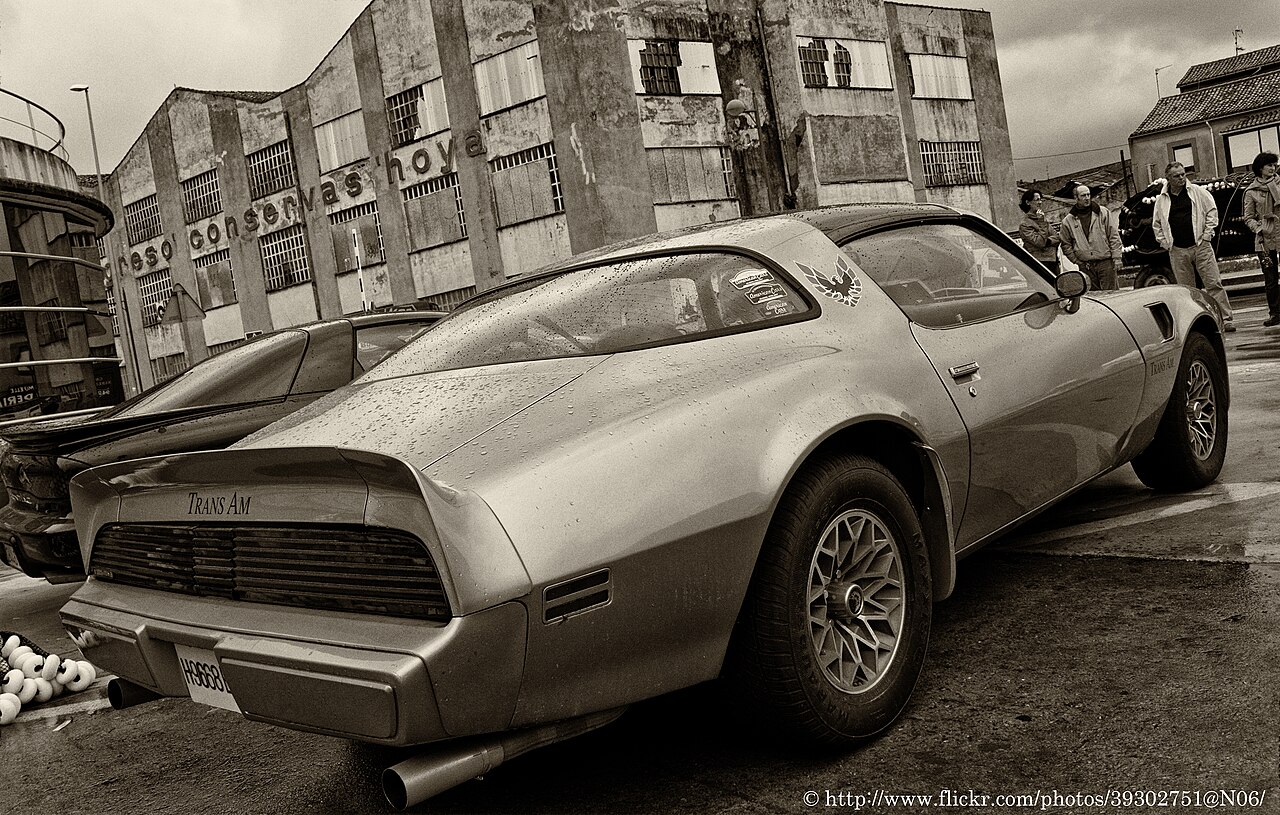
Trans Am. The top trim in the lineup. Standard equipment included the large firebird hood decal, rear deck spoiler, front air dam, and either rally wheels or the cast aluminum snowflake wheels that had become a signature of the late second-generation cars. Deluxe bucket seats were standard Trans Am equipment, finished in vinyl. The Trans Am in 1981 came with meaningful standard content; it was not a stripped performance car.
Engine Options and What the Numbers Mean
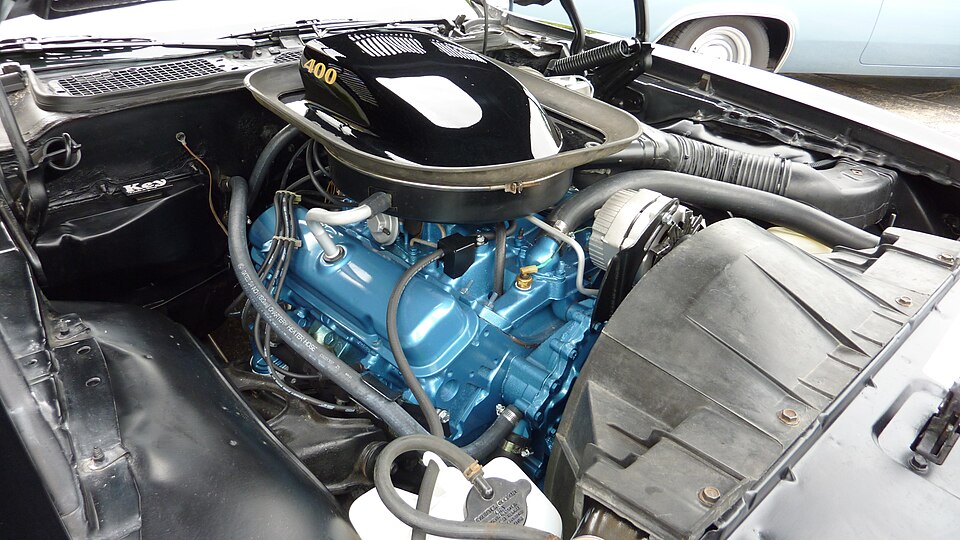
The engine list for 1981 is short compared to what the Trans Am offered in the early 1970s, and that reflects the era. The 400 ci W72 and the 403 ci Olds V8, both of which were available only through 1979, were no longer in the catalog. What remained was a more modest set of choices shaped by emissions standards and fuel economy pressures.
231 ci V6 (3.8L), Buick. Approximately 110 horsepower with a two-barrel carb. Standard on the base Firebird and Esprit. Adequate, not exciting, and the right engine if fuel economy was the primary concern.
305 ci V8 (5.0L), Chevy (RPO LG4). The 305 cubic inch small-block with a four-barrel carburetor produced approximately 150 horsepower. Available on the Formula and Trans Am, this was the mid-level V8 option and gave the car V8 character without requiring the buyer to step up to the performance package.
301 ci Turbo V8 (4.9L), Pontiac (RPO LU8). This was the performance engine for 1981, officially badged as the T/A 4.9 Turbo. Pontiac's own 301 cubic inch V8 fitted with a Garrett AiResearch turbocharger, rated at 200 horsepower. It was available exclusively with the Turbo Hydra-Matic automatic transmission. Turbo lag was a real characteristic of the engine by modern standards, but it was a genuine factory performance option at a time when those were rare across any American manufacturer's lineup.
Contemporary road tests of the 1980-1981 turbocharged Trans Am recorded 0-60 mph runs in the eight- to nine-second range. That needs context: in 1981, the domestic competition was not dramatically faster. The 301 Turbo was not slow for its moment. It just looks modest against the performance numbers of any other decade.
For precise torque specifications, fuel delivery details, and tuning procedures on the LU8, the factory service manual is the definitive source. Do not rely on third-party summaries for anything you plan to actually turn a wrench on.
Dimensions, Chassis, and Suspension
The second-generation Firebird body was consistent across most of the production run. The 1981 car shared its core dimensions with the 1977, 1978, and 1979 models.
- Wheelbase: 108.2 inches
- Overall length: approximately 196.8 inches
- Overall width: approximately 73.4 inches
- Height: approximately 49.4 inches
- Curb weight: 3,200 to 3,600 pounds, varying by model and option content
Trans Ams with the Turbo V8 and full options landed at the heavier end of that range. Base Firebirds with the V6 came in lighter.
Front suspension used a short-long arm (SLA) design with coil springs, the standard architecture for American performance cars of the period. Rear suspension used a live axle located by multi-leaf springs. It was a conventional American layout, not a sports car chassis, and Pontiac never marketed it as one.
Brakes were front disc and rear drum across the entire lineup. Power-assisted brakes were available. Rear disc brakes were not a factory option on 1981 Firebirds.
WS6 performance handling package was available on the Trans Am and Formula. WS6 added specific front and rear sway bars, revised shock absorber valving, and performance tires on wider rims. It was a suspension and handling upgrade, not a cosmetic or interior package. A 1981 Trans Am with documented WS6 equipment is a more capable driver than a non-WS6 car, and the option is worth verifying through the RPO sticker in the glove box.
Interior Specs, Seats, and Option Packages
All 1981 Firebird and Trans Am seats were vinyl. This is correct from the factory and is not a shortcoming specific to the 1981 model year. Deluxe bucket seats were standard equipment on the Trans Am throughout the late second-generation run. The only second-generation Trans Am that left the factory with leather seats was the 1979 10th Anniversary Trans Am (Y89), which used silver leather-trimmed seats as part of its specific Platinum Silver Metallic package. No 1981 model came with factory leather. Any 1981 Firebird with leather seats was either reupholstered or modified after leaving the factory.
Interior color choices for 1981 included options in camel, red, black, and blue among others, with specific availability tied to exterior color selections. The original window sticker or GM build documentation gives the definitive answer for any individual car.
Y84 Special Edition package continued into 1981. This was the black exterior with gold striping and accent package associated with the Smokey and the Bandit films, though 1981 production cars with Y84 were standard factory-built vehicles ordered through the RPO system, not replicas of any film vehicle. The package included gold-accented snowflake wheels and a specific interior color combination. It was popular and a significant number were ordered that year.
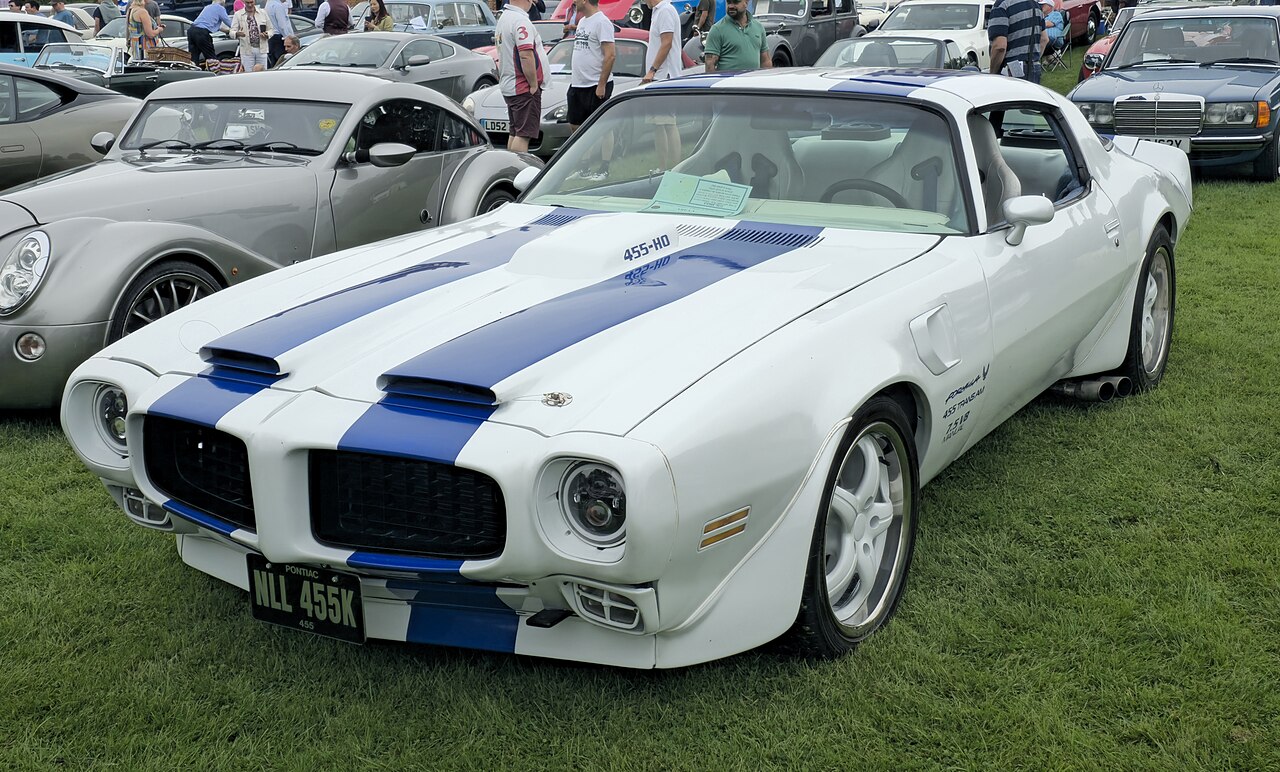
Shaker hood scoop was available on the Trans Am. The scoop penetrates the hood and is mounted to the engine rather than the body, so it moves visibly with the engine under load. It directed outside air toward the carburetor intake and remains one of the most recognizable visual details of the second-generation Trans Am.
The Last Year: What It Means for Collectors
The 1981 Firebird is not the most valuable second-generation Trans Am on the market. The 1973-1974 Super Duty cars, the 1979 10th Anniversary Trans Am (Y89), and certain low-production 1970-1971 configurations all draw more collector attention and higher prices. But the 1981 has a specific appeal: it is the last of the original shape, built on a platform that had been in production for over a decade, and it was assembled with the knowledge that a complete redesign was coming for 1982.
The third-generation Firebird that arrived for 1982 was a dramatically different car. New sheetmetal, a different chassis approach, and a new set of powertrains. Whatever you think of the 1982 and later cars, they are a separate generation entirely. The second generation ends at 1981.
For collectors focused on driver-grade second-gen Trans