The question of how many 1979 Pontiac Trans Am were made has a straightforward answer backed by factory production records: approximately 117,108 units. That is the highest single-model-year total across the entire second generation, which ran from 1970 through 1981. No other year in that span comes close. The 1979 total was not a random spike. It was the product of sustained momentum, a cultural moment that had been building for two years, and a Pontiac division that understood exactly what it had on its hands.
The 1979 Trans Am Production Total
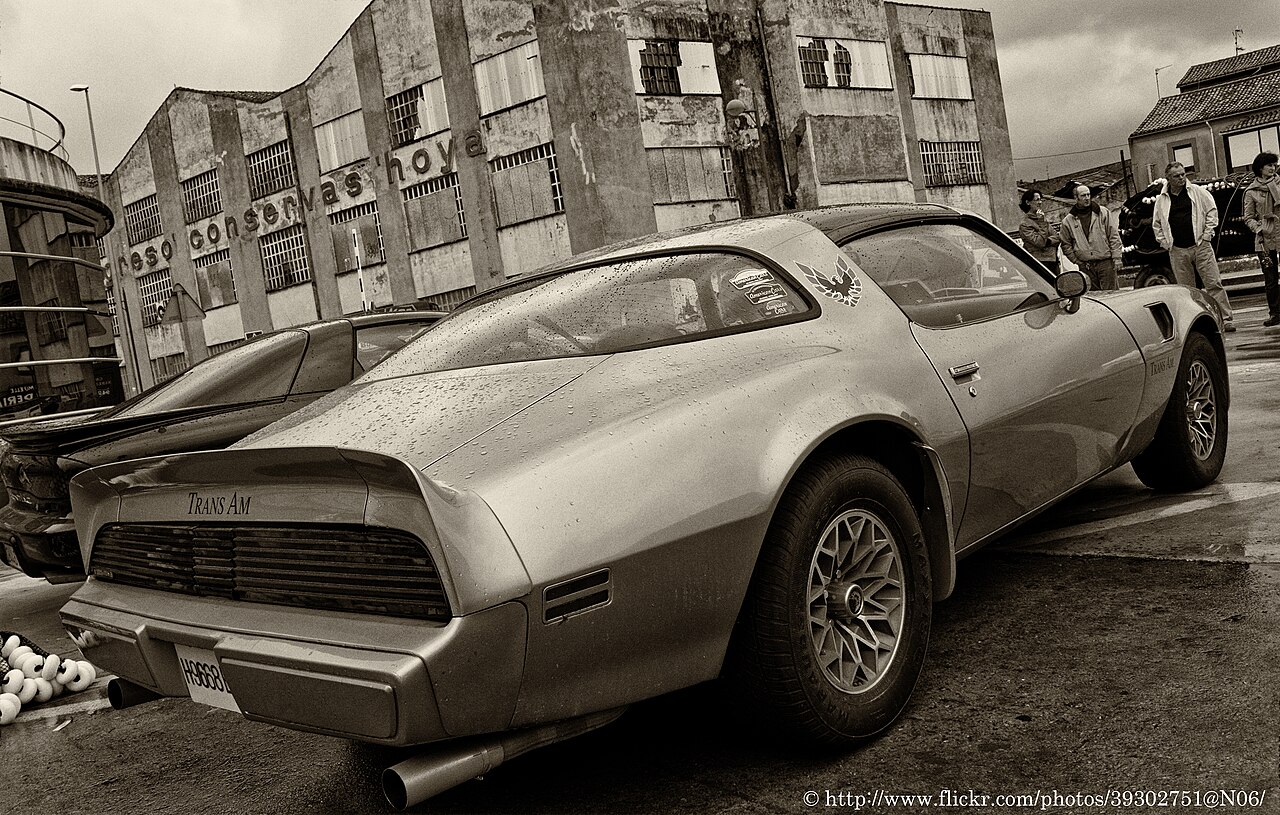
Production records compiled and cross-referenced by organizations like the Pontiac-Oakland Club International place the 1979 Trans Am figure at approximately 117,108 units. That total covers the full range of 1979 configurations: standard coupes, T-top cars, Y84 Special Edition cars, and the limited 10th Anniversary edition.
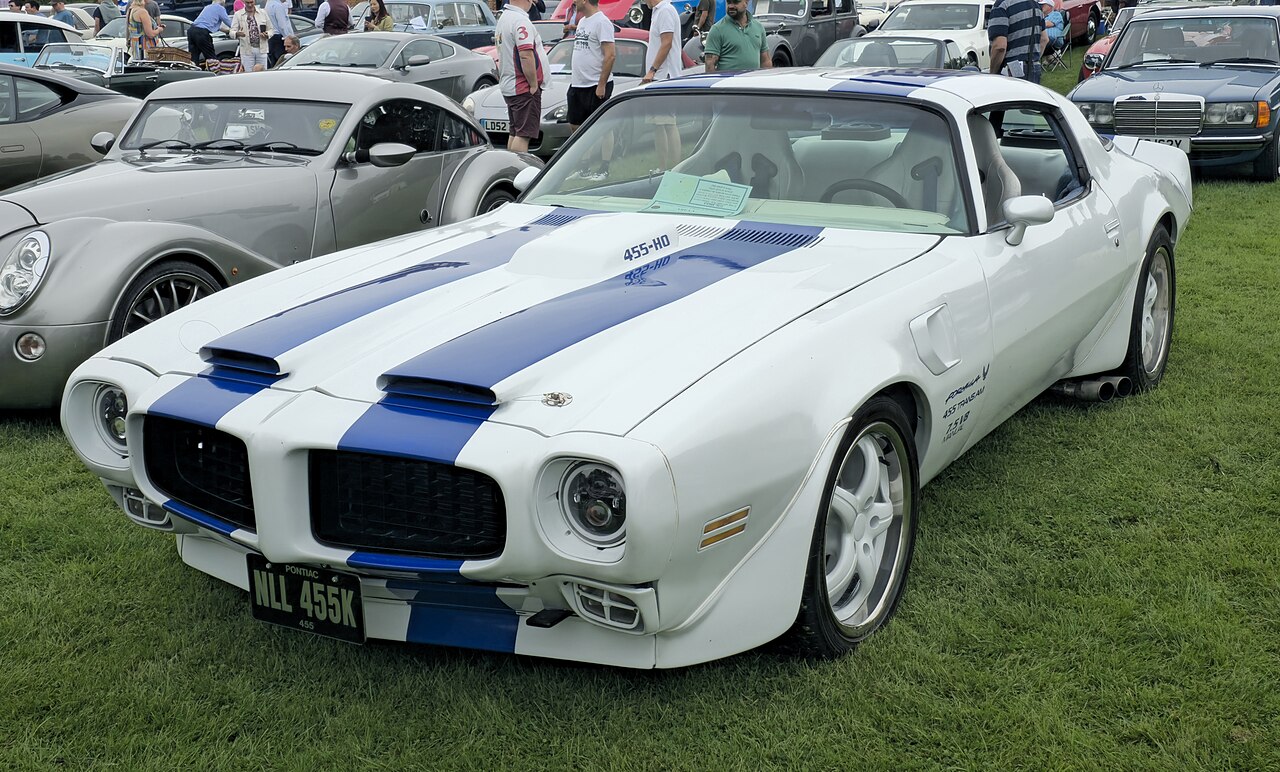
To put that number in context, the entire 1979 Firebird lineup, which included the base Firebird, Esprit, Formula, and Trans Am, moved well over 200,000 units. The Trans Am alone accounted for a substantial share of that, which shows how completely it had become the car of the Firebird family by the end of the decade.
Production in 1978 had already been strong, with Trans Am output running roughly 93,000 units. The jump to more than 117,000 in 1979 was a meaningful acceleration, not just a gradual year-over-year step.
The 10th Anniversary Trans Am: A Subset Worth Knowing
The 10th Anniversary Trans Am, option code Y89, sits inside that overall 1979 total as a distinct and heavily documented subset. Pontiac produced approximately 7,500 of them to mark ten years of the Trans Am nameplate, which had debuted as a 1969 model.
The Y89 carries one fact that every second-generation enthusiast needs to know cold: it is the only second-generation Firebird or Trans Am to leave the factory with leather seats. Every other 1979 Trans Am, every Y84, every standard coupe, used vinyl upholstery on the standard deluxe buckets. The 10th Anniversary's seats were leather-trimmed in silver, matching the car's Platinum Silver Metallic paint.
The full Y89 package included:
- Platinum Silver Metallic exterior paint
- Silver and charcoal graphics specific to the anniversary car
- T-tops as standard equipment rather than an option
- Shaker hood scoop
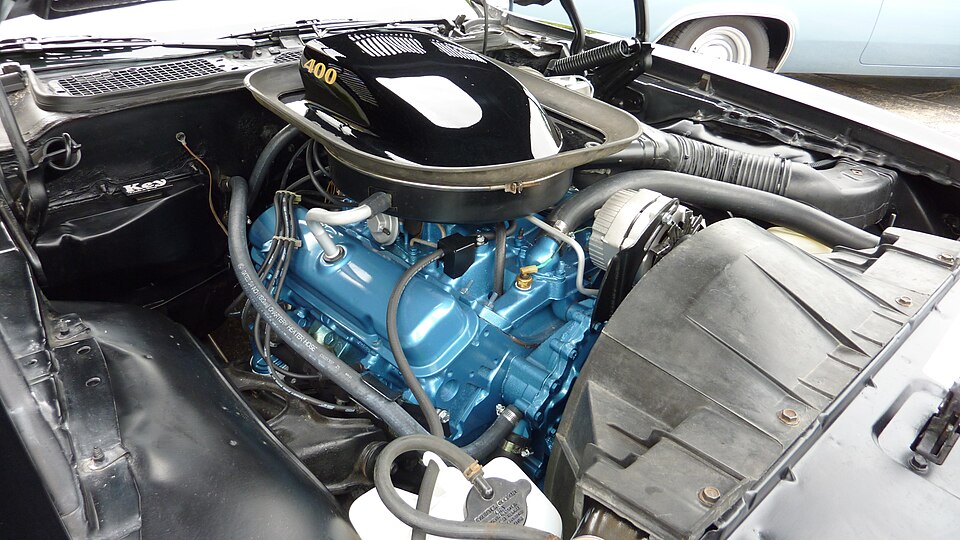
- 400ci W72 V8 as the base powertrain for the package
That last point is notable. The W72 was the performance engine option on a standard 1979 Trans Am purchase, but it was bundled into the Y89 package rather than listed as an additional cost.
Why 1979 Broke the Production Record
The 1977 film Smokey and the Bandit did not sell 1979 Trans Ams on its own. What it did was put the car into American popular culture with a force that two years of showroom traffic steadily amplified. A buyer who saw that film in 1977 and spent a couple of years working toward a purchase was ready by 1979.
It is worth separating the film cars from the production cars clearly. The vehicles used during Smokey and the Bandit filming were specially built or specially prepared 1977 Trans Ams, not standard units pulled from dealer inventory, and multiple cars were used across production that were not all identical. The 1977 production Trans Am is a related but entirely distinct vehicle from the actual film cars. The 1979 Trans Am benefited enormously from the film's cultural footprint, but it is two model years removed from the vehicles that appeared on screen.
Pontiac also made practical product decisions that supported high volume. The 1979 model offered a range of powertrain choices that could satisfy buyers in different regulatory environments, and the Trans Am's price remained accessible relative to other performance cars of the era.
Engine Options: What Buyers Actually Got
Understanding the engine choices matters because they define what you find under the hood of surviving cars today.
The standard 1979 Trans Am engine was the 403ci V8 sourced from Oldsmobile. This is not the performance engine; it is the base specification. It met California emissions requirements, making it the engine that California buyers received when ordering a 1979 Trans Am.
The 400ci W72, marketed as the T/A 6.6, was the performance option. Rated at 220 horsepower, it did not meet California's emissions standards, so it was unavailable in that state. A California buyer who wanted a 1979 Trans Am left the lot with a 403.
The 301ci Pontiac V8 was listed as a credit option, meaning buyers selecting it received a small price reduction. Take rates on the 301 were very low, and 301-equipped 1979 Trans Ams are uncommon among survivors. The 301 was not a California-specific engine. It was available across markets for buyers who wanted the lowest price entry point.
The Y84 Special Edition and Other 1979 Packages
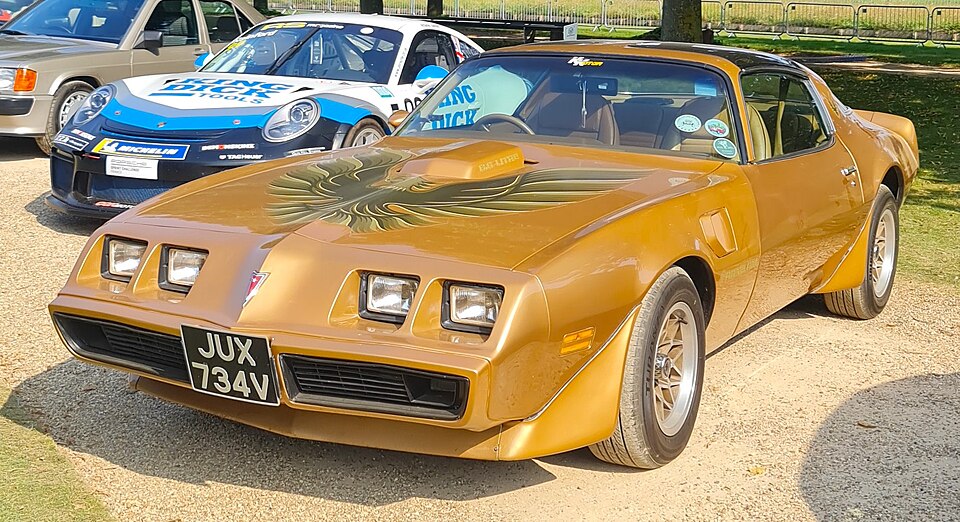
While the Y89 draws most of the collector attention in 1979, the Y84 Special Edition deserves its own mention in any production discussion. The Y84 delivered the black and gold exterior combination associated with the Bandit film era: black paint, gold graphics, black interior. It was the factory answer for buyers who wanted that look without searching for one of the actual film vehicles.
The Y84 did not include leather seats. Its interior used the same deluxe vinyl buckets that were standard across the Trans Am line.
Standard Seating Across the 1979 Trans Am Run
The deluxe bucket seats were standard Trans Am equipment on every 1979 model except the Y89. This point generates recurring questions in restoration discussions because some buyers assume the deluxe buckets were an upgrade or a factory option. They were not. The deluxe seats were simply what a Trans Am came with, part of the base specification from the factory.
Interior color choices for 1979 included black, blue, red, and tan or camel combinations depending on exterior pairing. All used vinyl upholstery. Seat condition is now one of the primary factors in evaluating a surviving 1979 Trans Am because original uncracked vinyl in matching trim is increasingly difficult to find after four-plus decades.