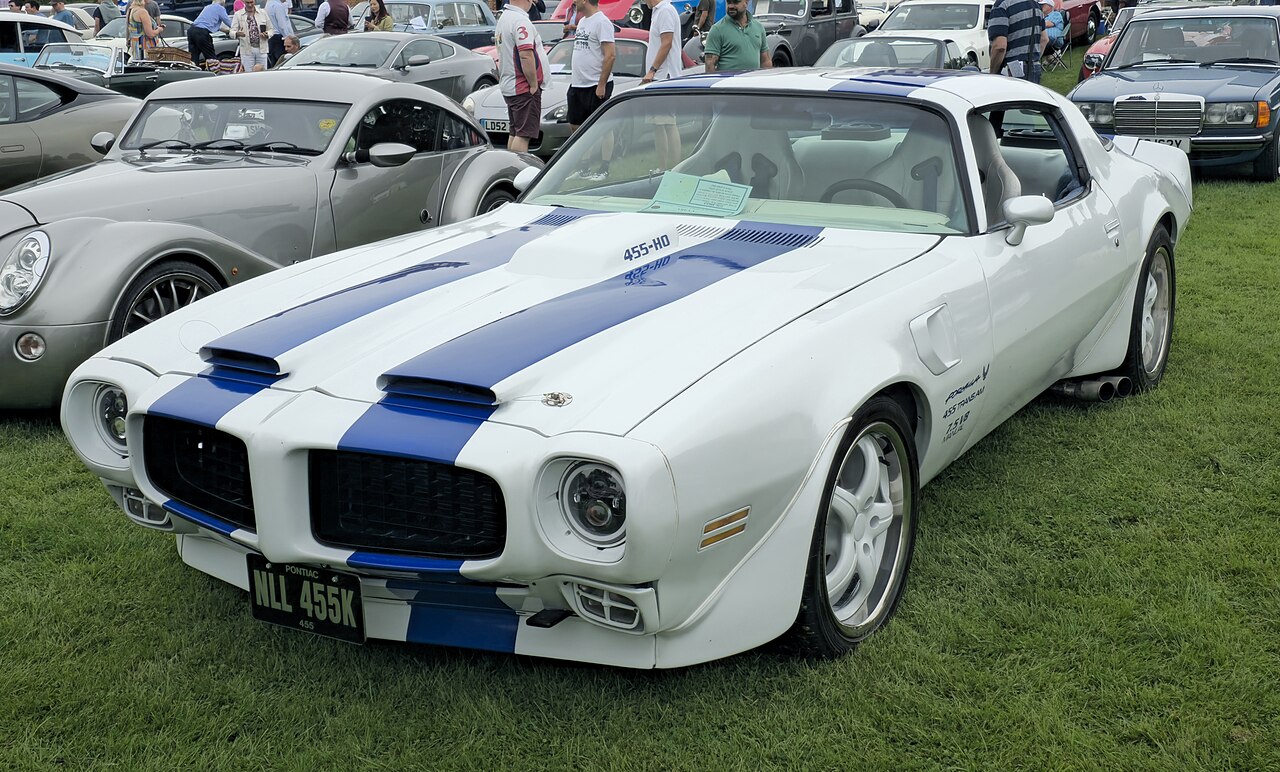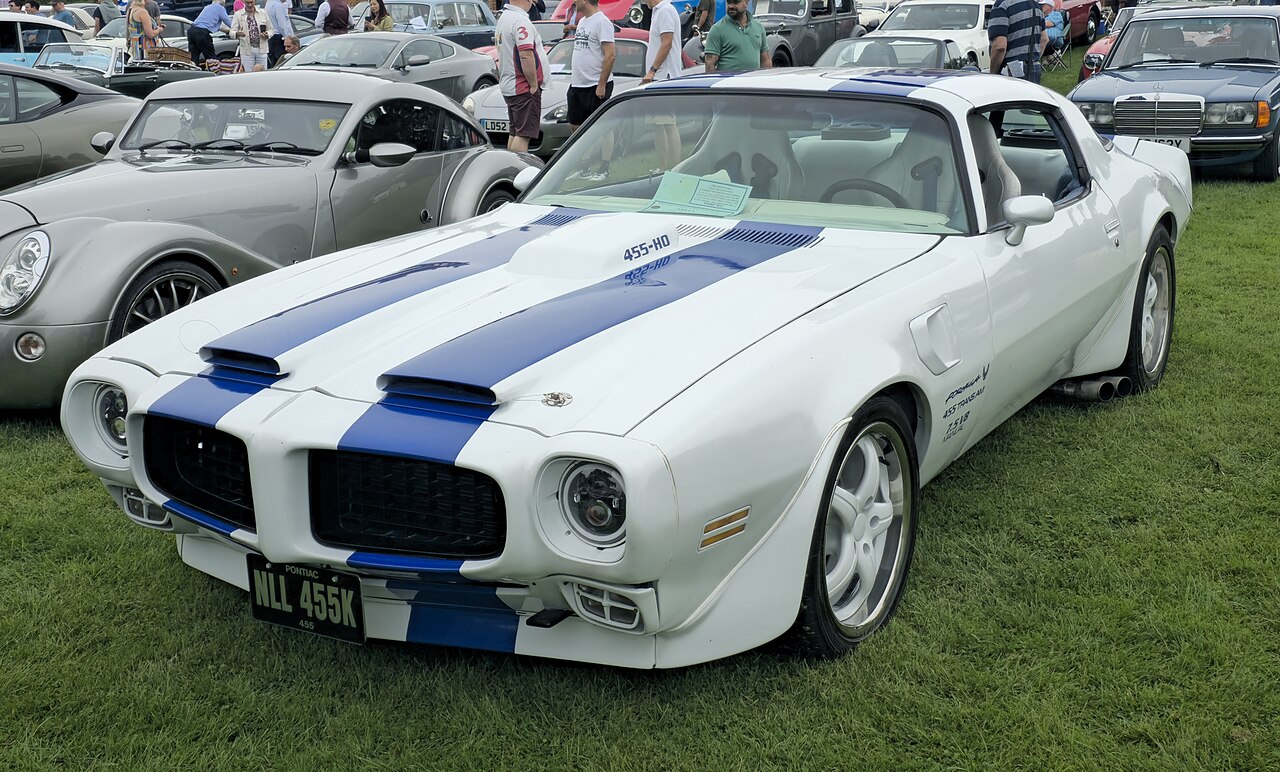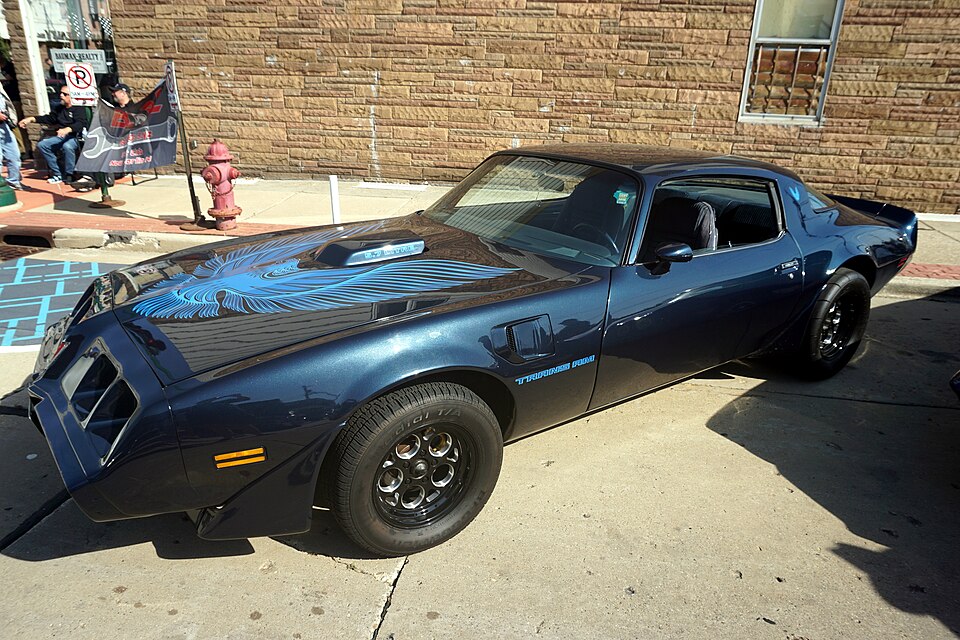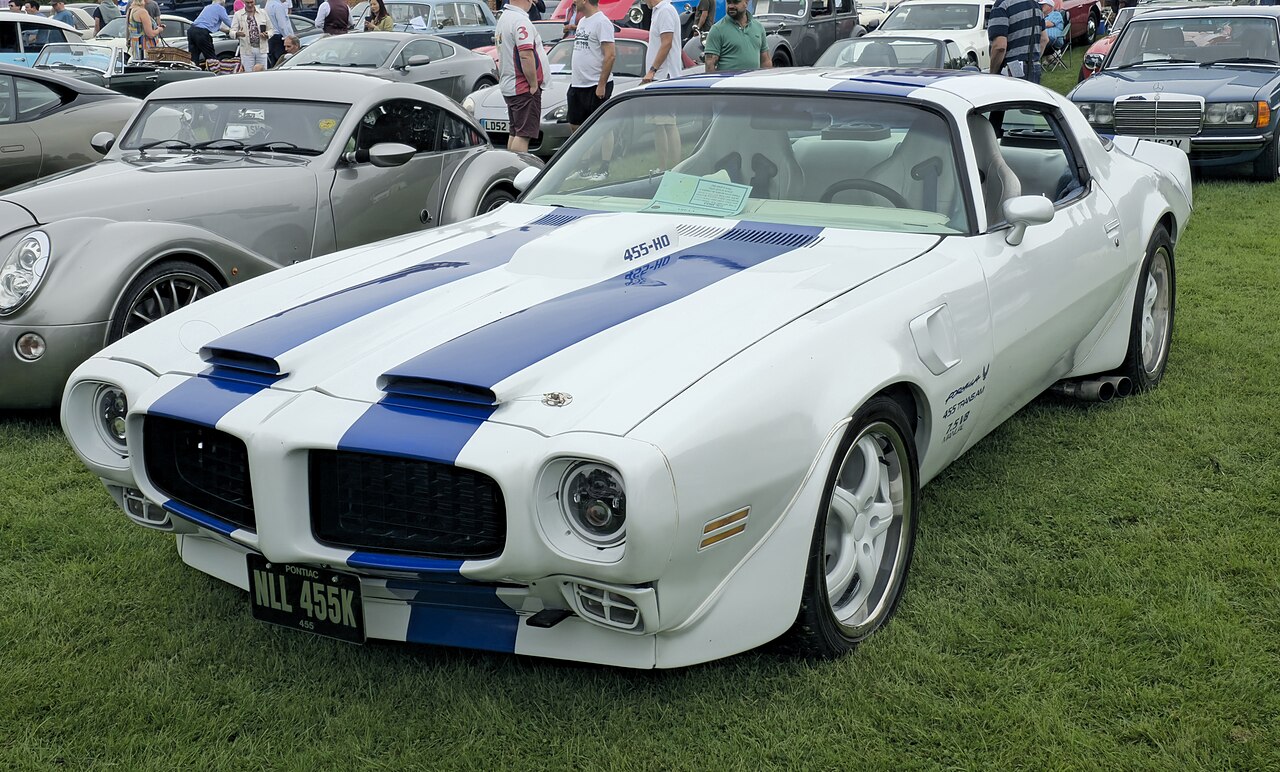
If you are asking what are the common engine issues with a 1979 Pontiac Trans Am, the short answer is: HEI ignition module failure, Rochester Quadrajet carburetor problems, timing chain stretch, and oil leaks from gaskets that are now pushing 46 years old. These cars are durable, but deferred maintenance compounds quickly, and even a clean example can have a long list of ignored items under the hood. The good news is that all three engines available in 1979 share the same failure points, so the diagnostic sequence is consistent regardless of which powerplant you have.
Know Your Engine Before You Diagnose It
The 1979 Trans Am came with three engine options, and knowing which one is in your car matters before you start chasing symptoms.
The standard engine was the 403 cubic inch Oldsmobile V8, rated at 185 horsepower. This was a General Motors corporate powerplant, not Pontiac-built. It was the base engine for the Trans Am in most markets, and because the 400ci Pontiac was not California emissions-certified, every California-delivered 1979 Trans Am received the 403.
The performance option was the 400 cubic inch W72 Pontiac V8, marketed as the T/A 6.6 and rated at 220 horsepower. The W72 package included a specific carburetor calibration, elevated compression, and a hotter camshaft profile. It was not available in California.
A third option, the 301 cubic inch Pontiac V8, was available as a rare credit option for buyers seeking a lower base price. It was seldom ordered and significantly less powerful than either of the other two choices.
All three engines used GM's High Energy Ignition system and a Rochester Quadrajet four-barrel carburetor, which means the most common failure points are shared across all three powerplants. For factory specifications and technical documentation specific to 1979, the Pontiac Oakland Club International at poci.org maintains a member-supported technical library that is worth bookmarking.
HEI Ignition Module Failure
The first place to look on any 1979 Trans Am that will not start, or that dies without warning on the road, is the HEI distributor. GM's High Energy Ignition system was a genuine step forward when it arrived mid-decade, eliminating points and offering stronger spark output. The ignition control module mounted inside the distributor, however, has a well-documented history of heat-related failure.
The module lives in a high-temperature environment and cycles through thousands of heat-and-cool cycles over decades. It fails without warning. One day the car runs fine. The next morning it cranks but will not fire. The classic field test is to pull the coil wire, crank the engine, and check for spark at the wire. No spark, with the engine cranking normally, puts the HEI module at the top of the suspect list.
Replacement modules are inexpensive and the job is straightforward. When you install the new module, clean the distributor base and use the heat-transfer grease that comes with the replacement part. Skipping this step accelerates the next failure. While you have the cap off, inspect the inside of the cap carefully for carbon tracking, which appears as thin black lines burned between terminals. A tracked cap kills spark output even if the module is new. Replace the cap and rotor together as a matched set.
The vacuum advance canister on the side of the distributor is the other common HEI failure point. If the diaphragm is cracked or the vacuum line to it is split, timing stays fixed at base settings. The result is an engine that feels flat under load and runs warmer than it should.
The Rochester Quadrajet: Brilliant When Right, Frustrating When Not
The Quadrajet that sits on a 1979 Trans Am is a well-engineered carburetor with a strong reputation when properly maintained. A 46-year-old unit that has never been rebuilt is a different situation entirely.
The most common problem is a worn throttle shaft bore. The aluminum carburetor body wears around the steel throttle shaft over decades, creating an air leak at the shaft that behaves exactly like any other vacuum leak. The result is a high, unstable idle that mixture screw adjustments cannot correct. If you block every external vacuum port on the carburetor and the idle remains erratic, a worn throttle shaft bore is very likely the cause. This is not a rebuild-kit fix. The carburetor body needs either professional bushing repair or replacement.
Flooding is the second most common issue. The float and needle seat wear over time, allowing fuel to slowly seep past the needle after the engine is shut off. Hot restarts become difficult, raw fuel smell in the garage is noticeable, and in severe cases fuel can collect in the intake manifold. Rebuilding the float assembly with a fresh needle and seat corrects this.
Choke problems are almost universal on survivors. The automatic choke uses a thermostatic coil that is often stuck, misadjusted, or broken after decades. A stuck-closed choke causes rich running and black smoke when the engine is at operating temperature. A stuck-open choke causes hard cold starts.
A proper Quadrajet rebuild is within reach for a home mechanic with patience and decent shop lighting. If you would rather use new parts, replace it with a correctly jetted rebuilt unit rather than substituting a generic aftermarket carburetor, since the Q-jet is well-matched to the intake manifold and displacement on these engines.
Timing Chain and Valvetrain Wear
Both the 403 Olds and the 400 Pontiac use a timing chain that stretches with mileage and heat cycles. A worn chain retards ignition timing and valve timing at the same time, causing power loss, rough idle, and reduced fuel economy. It also increases the risk of the chain jumping a tooth at startup, which can contact and bend valves.
You can get a rough indication of chain condition without removing the front cover. Have a helper rock the crankshaft back and forth by hand with the engine off, and watch the harmonic balancer for movement before the camshaft gear responds. Excessive balancer travel before the cam reacts indicates significant slack. When you do replace the chain, replace both sprockets at the same time rather than the chain alone.
Valve cover gaskets are reliable leak sources on both engines. The original cork or rubber gaskets compress and shrink over decades, and most survivors seep oil from at least one valve cover. This is a low-cost repair if you clean the mating surfaces properly and do not overtighten the fasteners on the aluminum covers.
Intake manifold gaskets are a more involved job, particularly on the 403 Olds. These gaskets seal both coolant passages and oil drain-back passages. When they fail, you can get external oil leaks, coolant contamination in the crankcase, or both. If you are pulling the intake for any reason on a high-mileage engine, install new gaskets as a matter of course.
Cooling System and Oil Pressure
A 403 or 400 that runs warmer than normal is often the result of a neglected cooling system rather than head gasket failure. The original water pumps are well past any reasonable service life on most survivors. A weeping pump bearing or impeller erosion from years of non-inhibited coolant both reduce flow significantly. Replace the water pump, thermostat, and hoses together if you do not have documentation of recent service.
Some owners install a 160-degree thermostat thinking it will keep the engine cooler. This can actually hurt combustion efficiency at road speed by keeping cylinder temperatures below the optimal range. A 180-degree thermostat is the correct choice for street driving.
Low oil pressure on a high-mileage example most often points to worn main and rod bearings, though a failing oil pump is also possible. Check oil pressure with a mechanical gauge rather than relying on the factory warning light, which only illuminates at critically low pressure. Normal warm idle oil pressure on these engines should be in the range of 20 to 25 psi. Numbers significantly below that warrant a closer look.
Emissions Equipment and Its Effect on Drivability
The 1979 model year carried a heavy emissions equipment load. Both the 403 and the 400 W72 had EGR valves, air injection systems, and in many cases a catalytic converter. Much of this equipment is now deteriorated, stuck, or missing.
A stuck-open EGR valve introduces exhaust gas into the intake at idle, producing a rough, loping, almost misfire-like idle that is frequently misdiagnosed as a carburetor or ignition problem. Remove the EGR valve, check the diaphragm with a vacuum pump, and confirm the valve closes fully. If it does not hold vacuum or will not seat, replace it before moving to more complex diagnoses.
The air injection pump, if still present, can seize over time. A seized pump loads the drive belt and can cause the belt to burn through or slip. On a 1979 Trans Am, the accessory drive uses conventional V-belts, and a seized pump puts enough strain on the system to accelerate belt wear and in some cases interfere with water pump operation. If you are restoring the car to driver condition rather than preserving factory equipment, some owners delete the air injection components, though local emissions regulations vary and should be checked before doing so.
Sorting out the emissions hardware is unglamorous work, but it removes an entire layer of variables before you begin tuning mixture and timing.