The question of what are the differences between a 1977 and 1979 Trans Am comes up constantly among collectors and buyers, and for good reason. Both years sit at the heart of the second-generation Trans Am's most celebrated era, both carry the screaming chicken on the hood, and both benefit from a pop-culture profile that has kept values strong for decades. But underneath the similar sheetmetal, the two cars are meaningfully different machines. Engine lineups shifted, the seat design changed with the 1978 model year, a landmark anniversary edition arrived, and tightening emissions regulations began reshaping what a factory Trans Am could deliver.
The Biggest Difference: What Is Under the Hood
The engine story is where 1977 and 1979 diverge most sharply, and it matters whether you are buying, restoring, or just trying to understand the cars.
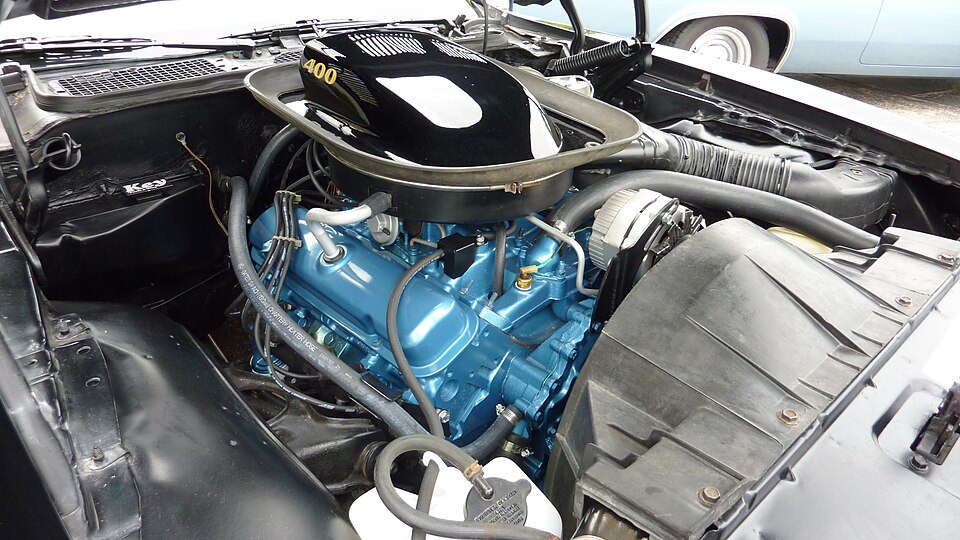
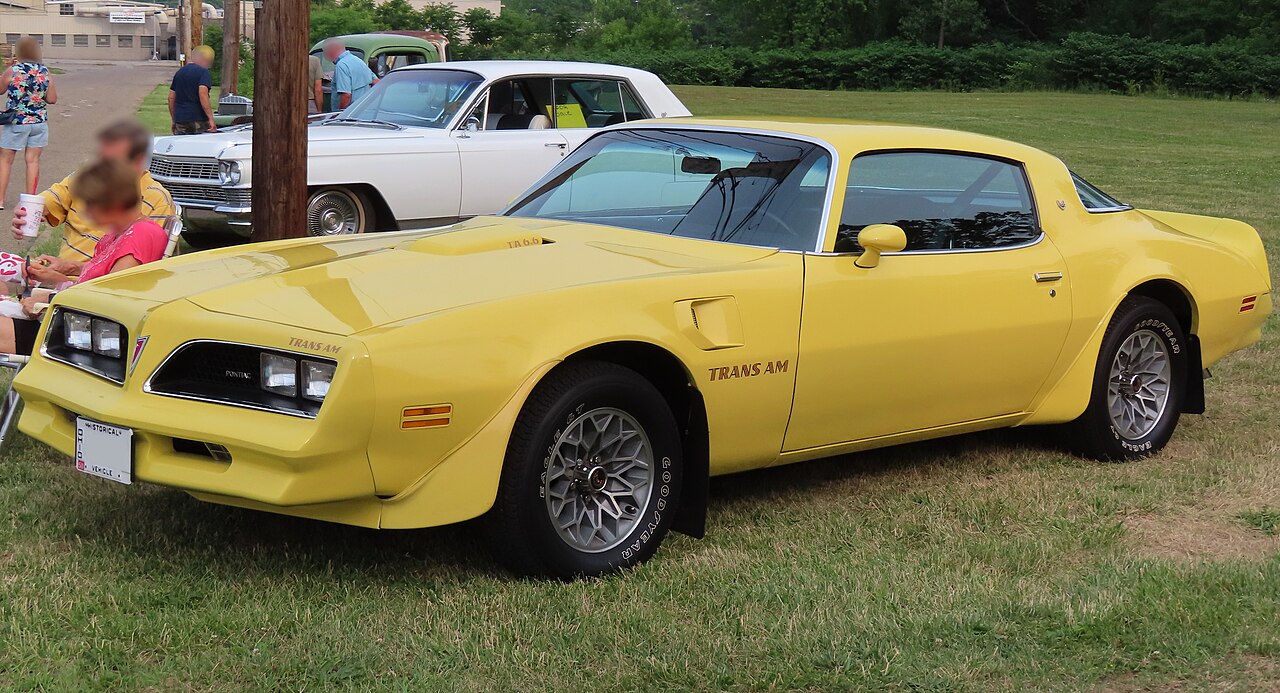
In 1977, Pontiac's own 400 cubic-inch V8 was the standard powerplant. The base version ran a four-barrel carburetor and produced solid output for the era. The performance choice was the W72-coded 400, badged as the T/A 6.6 on the hood. The W72 was a factory-selected, higher-output version of the 400 featuring a higher-compression ratio, a more aggressive camshaft, and tuned induction. It was the quickest engine Pontiac offered in the Trans Am at the time, and it remains the engine serious 1977 buyers seek out.
By 1979, that picture had changed considerably. The standard 1979 Trans Am engine was the 403 cubic-inch Oldsmobile V8, a corporate powertrain that Pontiac adopted in response to emissions certification and fuel economy pressures. The 403 is a durable, smooth-running unit, but it produces less peak output than the Pontiac 400 it replaced in the base slot. The 400ci W72 remained available in 1979 as the performance option, and buyers who wanted the quickest factory Trans Am checked that box. California buyers could not: the 400 W72 was not California-emissions certified, so every California-registered 1979 Trans Am left the factory with the 403 regardless of what the buyer wanted.
A third engine, the 301 cubic-inch Pontiac V8, was listed as a credit option in 1979. It was uncommon in the Trans Am and was not the California-market engine. That distinction belongs to the 403.
The practical takeaway for buyers: a stock 1979 Trans Am with the 403 is a slightly milder car than a stock 1977 with the equivalent 400. A 1979 with the W72 400 is the equal of any 1977 W72 car. Verify the engine codes and broadcast sheet before you buy if the original drivetrain matters to you.
Seats and Interior: A Clear Model-Year Break
The interior separation between 1977 and 1979 is straightforward once you know where the break falls.
The 1978 model year introduced a redesigned bucket seat that became standard Trans Am equipment and carried through the end of the second generation in 1981. This Deluxe Bucket has a different profile, different bolstering, and a different headrest design compared to the earlier seat used through 1977. Sitting in a 1977 and then a 1979 makes the difference immediately obvious. Both seats were vinyl as standard equipment on a regular-production Trans Am. There are no factory leather seats in a standard 1979 Trans Am.
The one exception is the 1979 10th Anniversary Trans Am (RPO Y89), which came trimmed in silver leather-matched material. That car is the only second-generation Trans Am that left the factory with leather-trimmed seats. Every other second-gen Trans Am, regardless of trim level or option code, was vinyl from the factory.
Dashboard layout, interior color palettes, and trim details evolved between the two model years, though the fundamental cockpit architecture, round gauge cluster, center console, and overall instrument presentation, remained consistent across the generation.
Special Editions: 1979 Gets the Anniversary Model
This is a category where 1979 has a clear collectability advantage.
The 1979 10th Anniversary Trans Am (RPO Y89) commemorated a decade of the Trans Am nameplate, which debuted in 1969. The car was finished exclusively in Platinum Silver Metallic with a silver interior, the leather-trimmed seats noted above, silver-accented trim pieces, and exclusive anniversary badging. According to second-generation Firebird production documentation), approximately 7,500 units were produced. The 10th Anniversary is the most visually distinctive and most broadly sought factory variant of the late second generation.
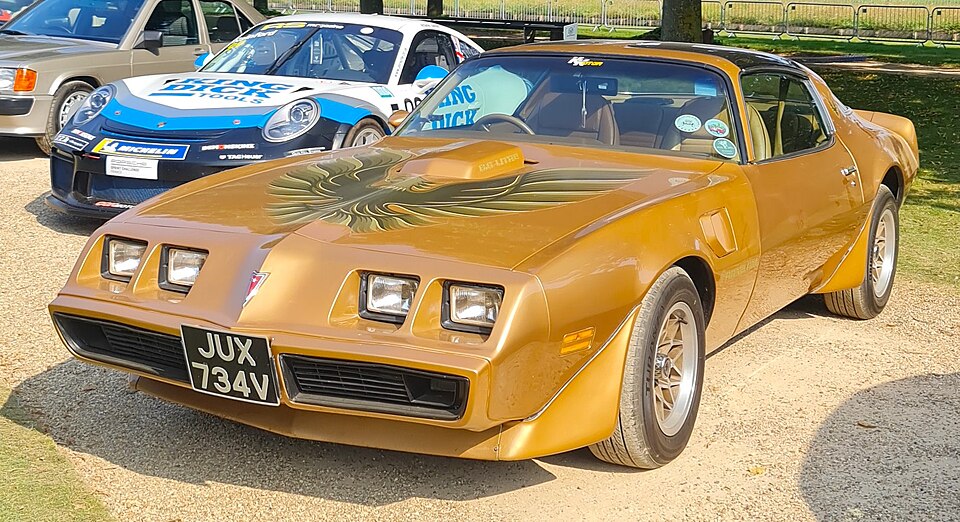
The 1977 model year has its own historical weight, though it comes from a different source. Smokey and the Bandit was released in 1977 and featured Trans Ams that were specially built for production use rather than standard showroom cars. Multiple vehicles were used during filming and they were not all configured identically. A standard 1977 Trans Am is not a Bandit car. What the film did create was enormous demand for the black-and-gold Special Edition package (RPO Y84), which combined a black exterior with gold striping and a specific interior trim combination. Pontiac offered the Y84 package in both 1977 and subsequent model years, including 1979. If the black-and-gold appearance is your primary goal, either year delivers it.
Styling: Spot the Differences From the Curb
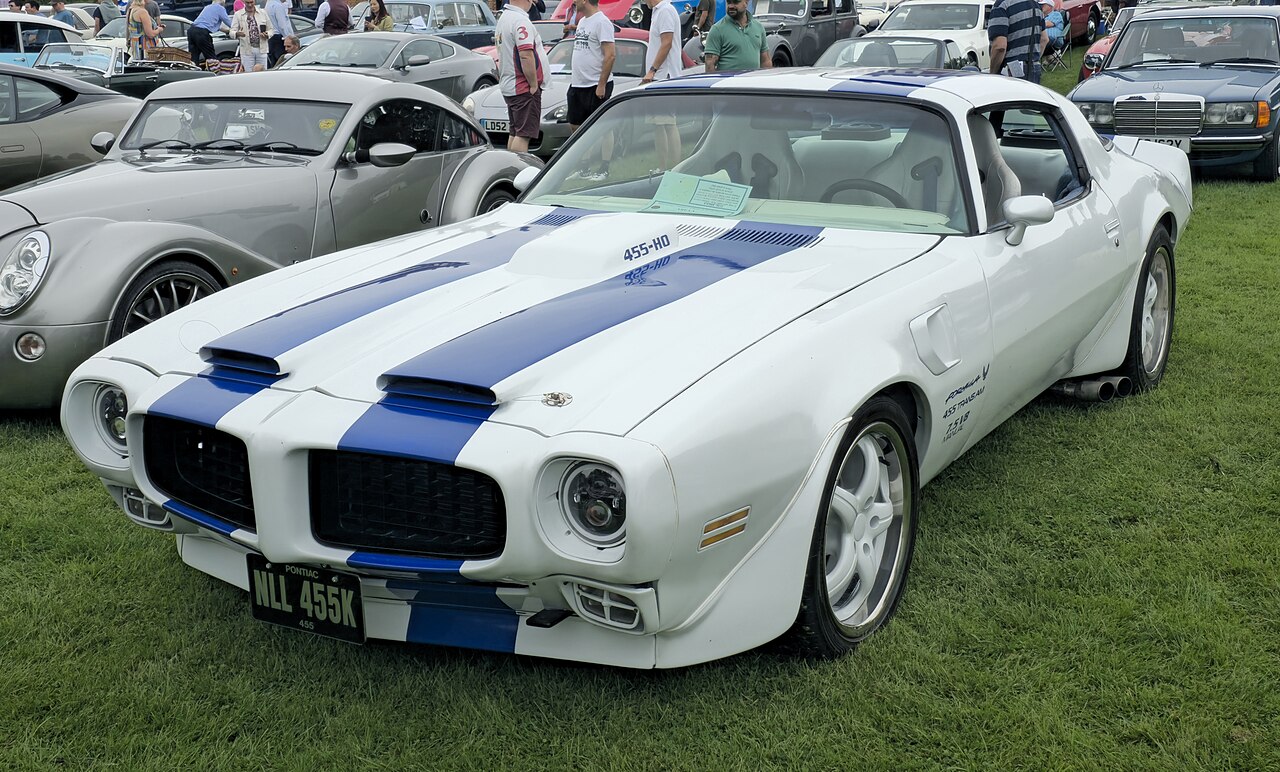
The second-generation Firebird body ran from 1970 through 1981 with incremental updates rather than a full redesign. From twenty feet away, a 1977 and a 1979 look nearly identical. Both carry the same roofline, the same fastback silhouette, and the same overall proportions.
Detail-level changes to front and rear fascias, trim moldings, and badging did accumulate across model years, and a careful side-by-side comparison reveals them. Hood callout badging differed based on engine: a W72-equipped 1979 carried T/A 6.6 identification while a base 403 car did not. Wheel design options evolved as well, though the aluminum snowflake wheel remained available across both years in similar form.
For a buyer trying to pin down the model year of an unmolested car, the VIN, the cowl tag, and the engine stamp are far more reliable than exterior styling cues. Both 1977 and 1979 were produced during a period when the body was well-established and visual changes were subtle.
Performance Packages: WS6 in 1979
The WS6 Special Performance Package was available on 1979 Trans Ams and delivered hardware-level chassis upgrades: larger front and rear sway bars, faster-ratio steering, and wider tires mounted on wider wheels. It was a handling and suspension package, not an interior option or a cosmetic upgrade. If you are evaluating a 1979 and want the car configured the way Pontiac intended it to handle at its best, a documented WS6 car is the one to look for. This package was not offered on 1977 Trans Ams in the same form.
Which Year Makes More Sense to Own
Both cars are legitimate second-generation Trans Ams with real appeal. The choice depends on what you want from the experience.
Choose a 1977 if you want a Pontiac-built engine under the hood as standard equipment, the earlier seat design, or a car from the model year that made the Trans Am a household name. The 1977 is historically significant and consistently desirable in the collector market.
Choose a 1979 if you want the later Deluxe Bucket interior, a W72 engine in what many consider the last genuinely strong factory configuration before the 1980 output reductions, or access to the 10th Anniversary Edition. The WS6 package also makes 1979 one of the better-handling factory setups from the generation.
For production data, option-code documentation, and registry services covering both years, the Pontiac Oakland Club International is the most thorough resource available to owners and buyers.