The question of what is the rarest Trans Am does not have one clean answer, but it does have a clear hierarchy. Within the second-generation Firebird platform (1970 to 1981), rarity breaks into three categories: low total production years, scarce performance engine options, and limited special editions. Each category has a legitimate claim to the word rare, and they are not always the same car. This guide works through all three, from the year GM almost killed the entire platform to the only second-gen Trans Am ever to leave Norwood or Van Nuys with leather seats.
The Production Numbers That Define Rarity
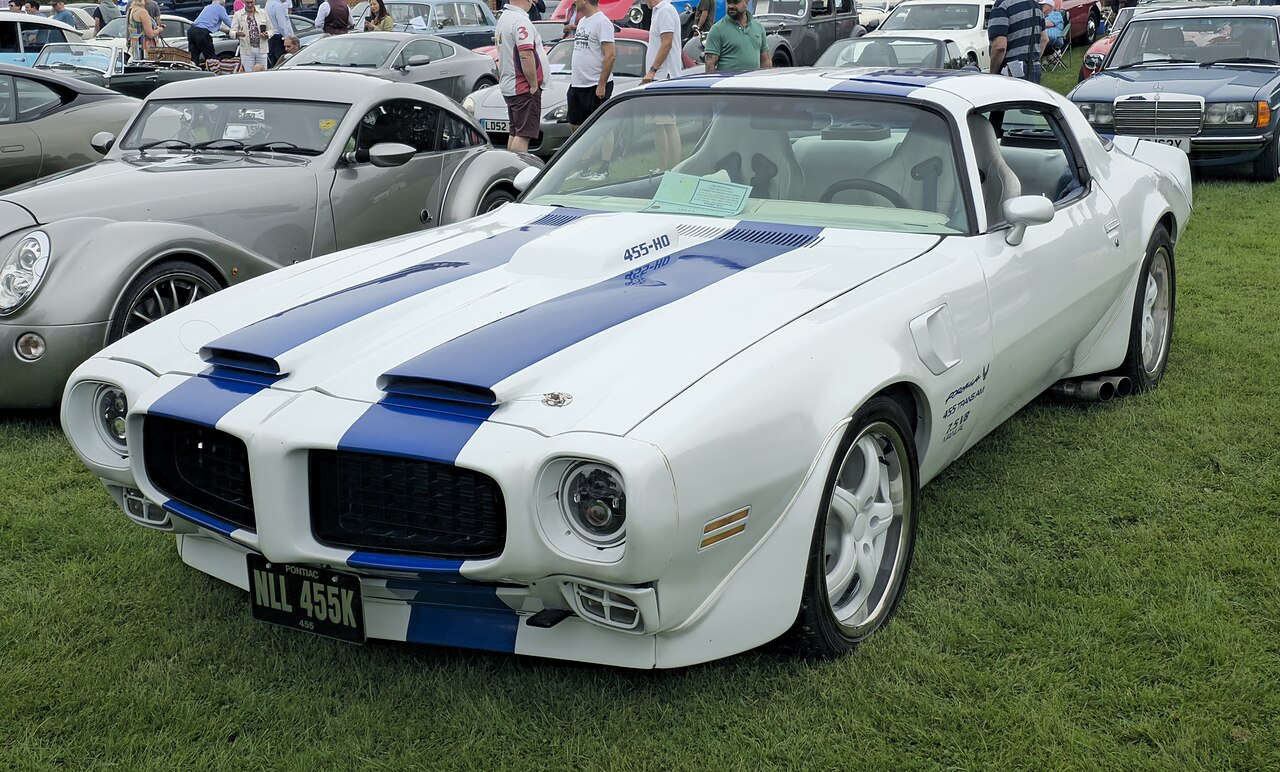
The second generation launched as a mid-year model in 1970, and the early years tell the clearest production story. The 1972 Trans Am is the standout. GM was actively considering canceling the Firebird platform that year due to poor overall F-body sales figures. With the car's future genuinely uncertain and investment in the model minimal, total Trans Am production dropped to approximately 1,286 units, the lowest of any model year in the entire second generation by a significant margin.
For reference, the 1971 Trans Am came in around 2,116 units, and the 1970 model built approximately 3,196 examples across its abbreviated mid-year introduction. Both years are genuinely scarce. But 1972 represents the floor. The Pontiac-Oakland Club International maintains decoding resources and historical build documentation that help owners place their early cars in their correct context.
The 1972 Trans Am left the factory with a 455ci HO engine rated at 300 hp under the newly adopted SAE net measurement standard. A numbers-matching 1972 car in honest condition is a legitimate discovery, not a common listing on any sales platform.
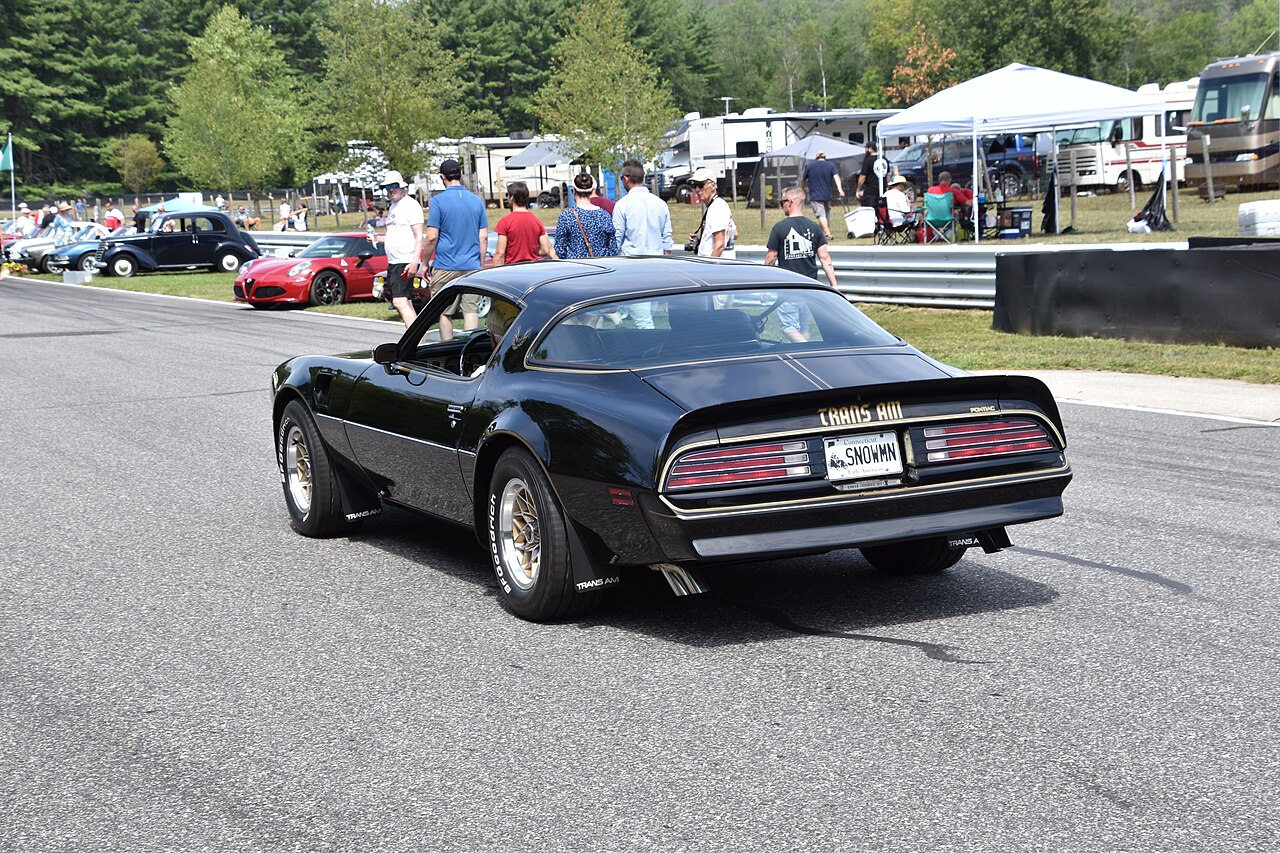
From 1973 onward, production climbed sharply as the Trans Am's reputation grew. By 1977, Smokey and the Bandit had turned the car into a cultural landmark and production figures reflected the demand. After 1977, rarity is almost entirely a function of specific engine and option combinations rather than total volume.
The Super Duty 455: The Rarest Performance Engine in the Second Gen
If the question is about the rarest performance variant, the 1973-74 Super Duty 455 is the answer. Pontiac engineering kept the SD-455 alive into the emissions era through deliberate design choices: forged pistons, four-bolt main caps, provisions for a dry-sump oiling system, and round-port cylinder heads. The result was a 310 hp (net) engine in 1973 that navigated the regulatory environment better than almost anything Detroit was producing at the time.
Production of SD-455 Trans Ams was extremely limited in both years. Pontiac did not manufacture them in volume, and documented examples are among the most carefully scrutinized cars in the Pontiac hobby. Authenticating one requires a thorough VIN decode and ideally a surviving broadcast sheet, because the engine's premium market value has historically made fraudulent engine swaps an ongoing problem. A legitimate, numbers-matching SD-455 car commands substantially more than a comparable 455 HO example.
The 1974 SD-455 was detuned slightly to 290 hp as emissions regulations continued to tighten, and the engine was discontinued entirely after the 1974 model year. That two-year production window, with 1973 being the rarer of the pair, puts these cars in a category by themselves on the performance rarity scale.
The 1979 10th Anniversary Trans Am: The Most Collectible Special Edition
The 1979 Trans Am 10th Anniversary Edition, RPO code Y89, holds a unique position in the second-gen hierarchy for one specific reason: it is the only second-generation Trans Am that left the factory with leather-trimmed seats. Every other second-gen Trans Am and Firebird, in every model year from 1970 through 1981, came with vinyl seating. The 10th Anniversary cars used silver leather-trimmed seat covers as part of a complete Platinum Silver Metallic appearance package, which also included silver-finished snowflake wheels, a silver hood bird decal, and T-tops as standard equipment.
Production came in at approximately 7,500 units. That number is not extremely low by Trans Am standards of the period, but the combination of the factory leather interior, the anniversary documentation, and the car's overall presentation makes the Y89 the most sought-after special edition in the second generation. Clean, well-preserved examples move at serious money when they appear at major auctions.
Engine options for the 10th Anniversary included the 403ci Oldsmobile-sourced engine and the 400ci W72 Pontiac engine. The 400 W72 was the performance choice, producing 220 hp (net) with a specific calibration that gave it a noticeably different character than the 403. California-registered cars received the 403 because the 400 was not certified for California emissions standards. Neither engine is rare in isolation, but their combination with the Y89 package is documented and verifiable.
The Y84 Special Edition: Cultural Icon, Not a Production Rarity
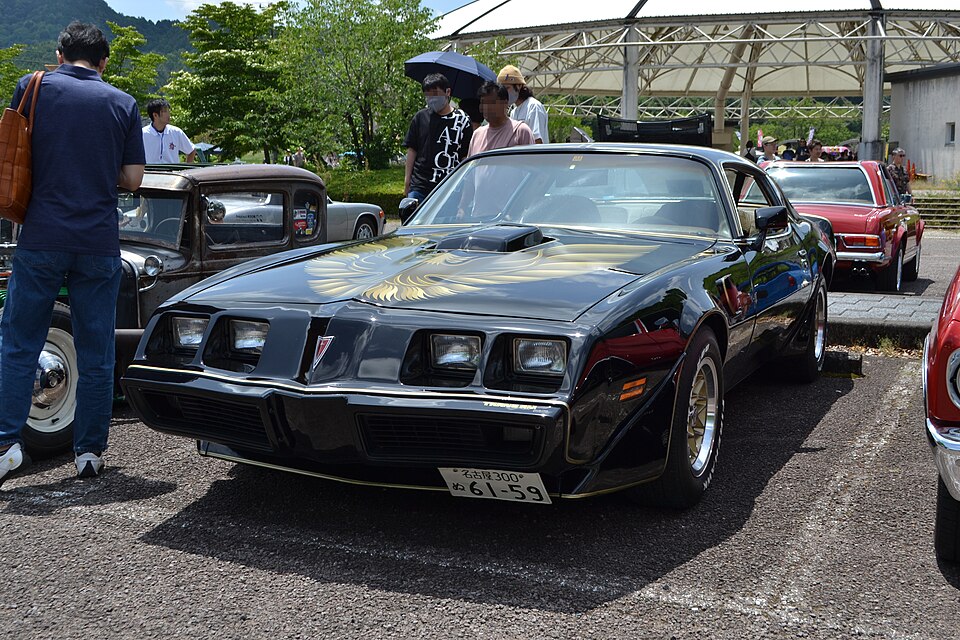
The Y84 Special Edition package gave buyers a black exterior with gold striping, a gold screaming chicken hood decal, and a specific interior combination. This is the production version of the Bandit look, though an important distinction applies: the cars used in Smokey and the Bandit were specially built 1977 Trans Ams, not standard production vehicles. Multiple cars were used across filming, and they were not all identical. A standard 1977 Trans Am in black and gold is similar in appearance but is not a movie car.
The Y84 package sold in large numbers through the late second-gen years. These cars are not rare by production count. Their significance is cultural rather than numerical. A Y84 car in original, unrestored condition with matching paint and undisturbed interior has become genuinely difficult to find, not because few were built but because the survivors have been modified, repainted, or worn down over decades of use. Originality, not scarcity, drives their value.
What Rarity Actually Means for Insurance and Value
A numbers-matching 1972 Trans Am, a documented SD-455 car, or a clean Y89 10th Anniversary occupies a completely different value tier than a high-volume late-1970s example. Standard auto insurance policies were not built for this situation. They use ACV formulas, actual cash value calculations that apply depreciation to arrive at a payout figure, and that figure will often fall well short of what it actually costs to replace a documented rare Trans Am in today's collector market.
Agreed-value policies work differently. You and the insurer establish a specific dollar figure upfront. If the car is totaled, that agreed amount is what you collect, without depreciation arguments and without negotiating after a loss. For a 1972 Trans Am or a legitimate SD-455 car, that distinction can mean the difference between a payout that makes you whole and one that covers a fraction of the car's real market value.
Hagerty's valuation database tracks second-gen Trans Am values by condition, which is a useful starting point when you sit down to establish an agreed value with an insurer.