The question "what was the last year of the Trans Am" has two correct answers depending on which generation you are researching. Across its full production history, the nameplate ran from 1969 through 2002. For the body style that defined the car in popular culture, the twelve-year second-generation run that produced the cars this site covers, the answer is 1981. Understanding both endpoints matters whether you are buying, selling, or simply trying to keep the generations straight when you run across a car at a show or in a classified listing.
The Trans Am Nameplate, Generation by Generation
Pontiac introduced the Trans Am name on a 1969 Firebird, which makes the original a first-generation car. GM built the first-gen Firebird from 1967 through 1969, and the Trans Am was a single-year option appearing only on 1969 models.
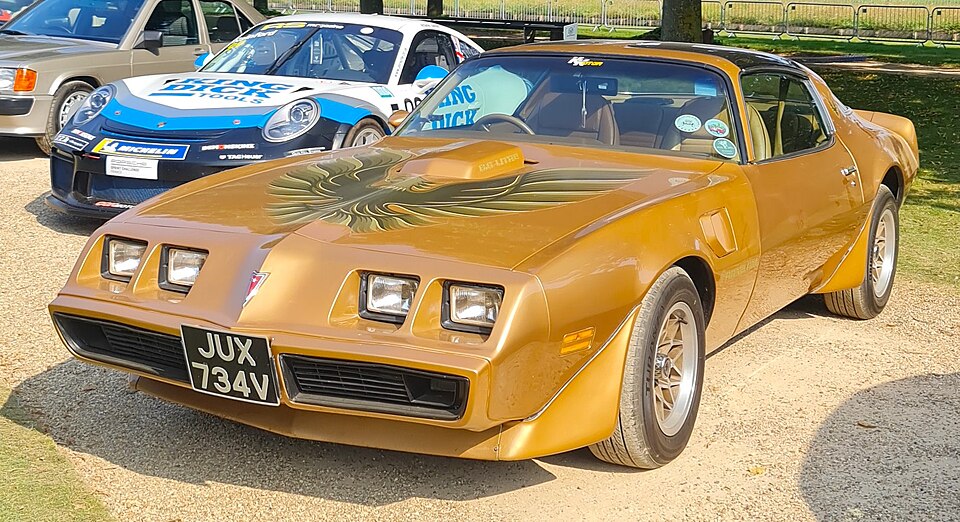
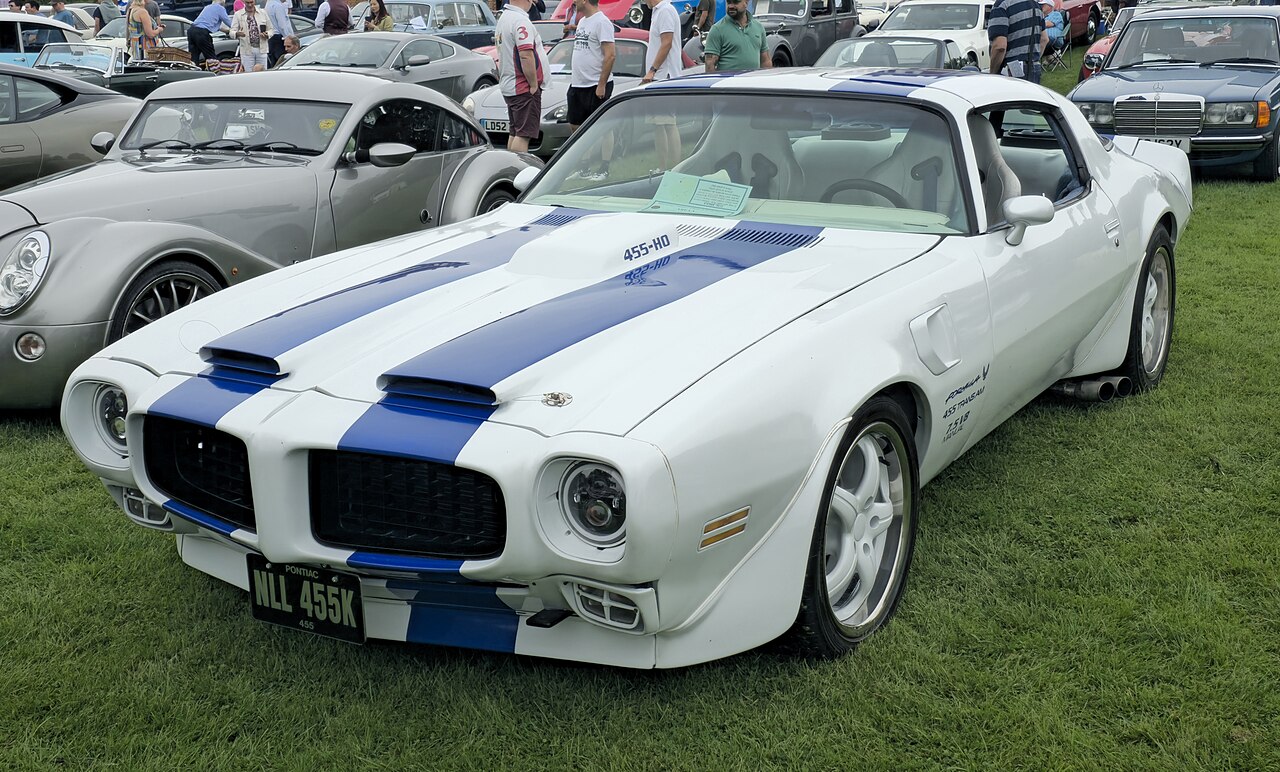
The second generation followed directly, running from 1970 through 1981. This twelve-year span produced the long-hood, rear-spoiler, firebird-decal body style that most people picture when they say "Trans Am." Performance peaked in the late 1970s, the car appeared in Smokey and the Bandit, and limited-edition models like the 1979 10th Anniversary Trans Am (Y89) set benchmarks that still define the car's collector identity today.
The third generation arrived in 1982 with a completely redesigned platform and ran through 1992. Third-gen cars are separate machines in almost every respect, from the body panels to the seating to the available drivetrains.
Fourth-generation Firebirds ran from 1993 through 2002. When GM announced that both the Firebird and Camaro would be discontinued after the 2002 model year, the Trans Am name went with them. No Pontiac has carried the nameplate since.
The 1981 Trans Am: Last of the Second-Generation Body
By 1981, the second-generation Trans Am had reached the practical end of its powertrain options. Federal emissions and fuel economy requirements had progressively eliminated the large-displacement engines that made 1977, 1978, and 1979 so desirable.
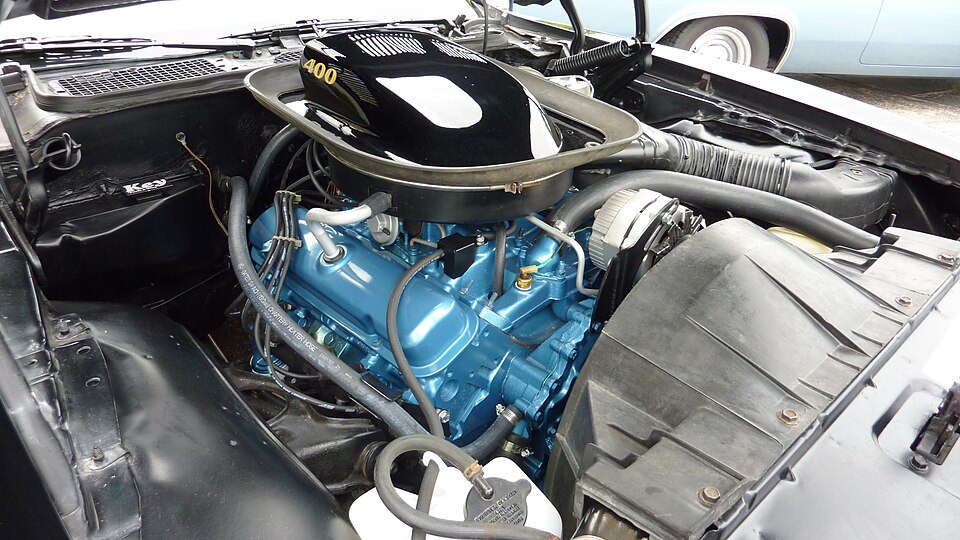
Three engines were available in a 1981 Trans Am. The standard choice was the naturally aspirated Pontiac 4.9-liter (301 cubic inch) V8, producing approximately 150 horsepower. California buyers received the Chevrolet 5.0-liter (305 cubic inch) V8, which met California's stricter emissions certification requirements. The third option was the turbocharged 4.9-liter Pontiac V8, commonly called the Turbo T/A engine, rated at approximately 210 horsepower. That turbo figure made it the most powerful engine available in the Trans Am for 1981, though it represented a different kind of performance compared to the raw displacement of the 400ci W72 available back in 1979.
For context on how much had changed: the standard 1979 Trans Am engine was the 403 cubic inch Oldsmobile V8, and buyers who wanted more performance could order the 400 cubic inch W72. By 1981, both engines were gone, replaced by smaller mills carrying heavier emissions equipment.
The interior on a 1981 Trans Am was built around the Deluxe Bucket seat, which was standard Trans Am equipment from 1978 onward. Those seats were vinyl. The only second-generation Trans Am that left the factory with leather seating was the 1979 10th Anniversary Trans Am (Y89), which featured silver leather-trimmed seats paired with its Platinum Silver Metallic exterior. Every other second-gen Trans Am, including the 1981, came with vinyl from the factory.
The WS6 performance and handling package remained on the options sheet for 1981. WS6 is a chassis and suspension option, covering items such as sport-tuned shock absorbers and larger sway bars. It has no connection to interior trim.
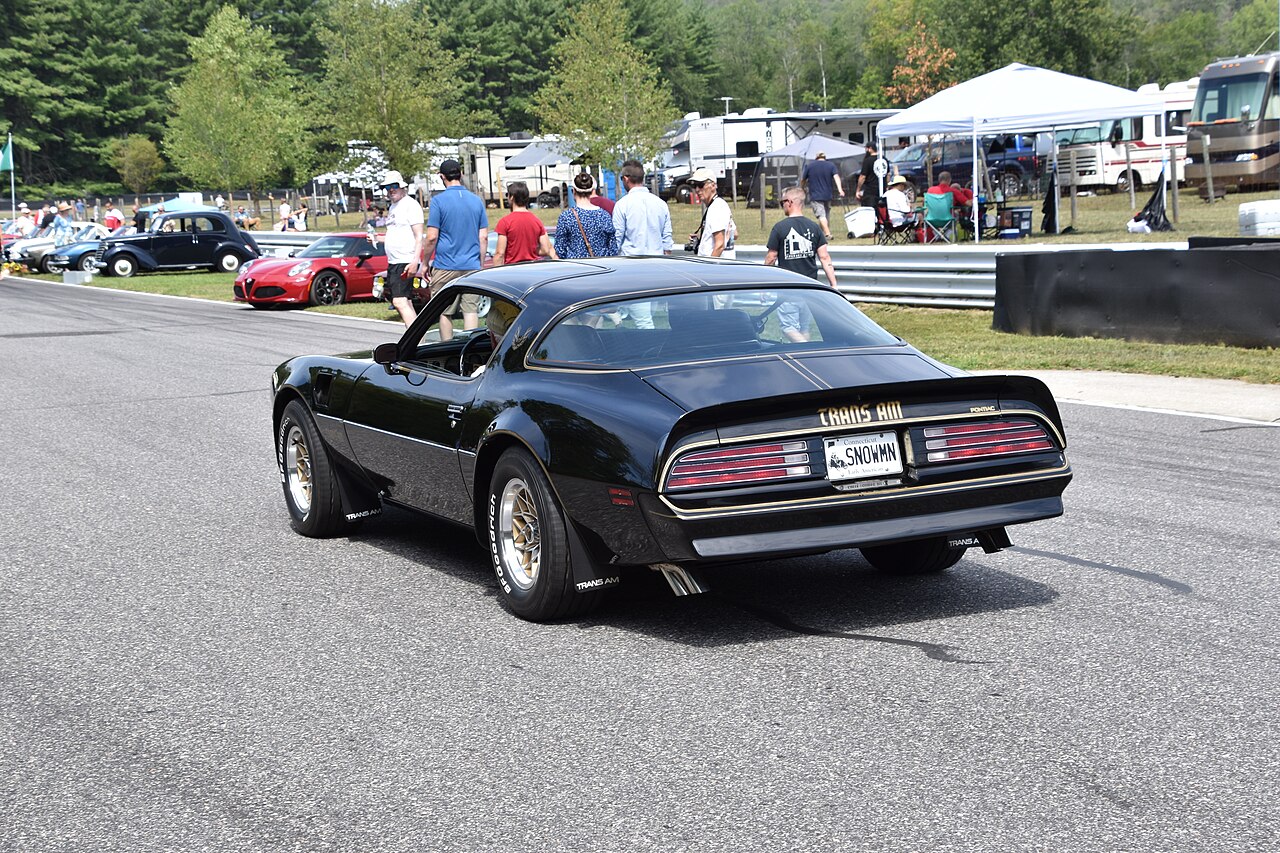
The Y84 Special Edition package was also available in 1981, bringing the black exterior with gold striping and a specific interior combination that the car had become famous for following the Smokey and the Bandit film's 1977 release. One clarification worth making here: the film used a specially built 1977 Trans Am, not a standard production car. Standard 1977 Trans Ams share the general appearance, but they are not the actual film vehicles.
What Arrived in 1982: The Third Generation
The 1982 Firebird replaced everything. The body, platform, seating, and dashboard were all new. The silhouette changed from the angular, long-hood profile of the second gen to a lower, more aerodynamic shape with flush glass and a sloped nose.
The third-generation Trans Am continued through 1992 and developed its own following. The GTA trim level, introduced in 1987, was a third-generation-only package with no connection to any second-generation model or option code. If you are researching a second-gen car and encounter GTA references, you are looking at the wrong generation entirely.