Sourcing Pontiac Firebird used parts for a second-gen restoration (1970-1981) requires a different mindset than shopping for a newer vehicle. These Firebirds are now between 44 and 55 years old, reproduction catalogs cover only a portion of what you actually need, and the pool of serviceable survivors shrinks every year. Understanding where to look, what to inspect, and when to pass on a used piece in favor of new reproduction stock is the difference between a successful project and a costly mistake.
Why the Used Parts Market Is Still Essential for Second-Gen Firebirds
Even with reproduction suppliers offering a solid catalog of second-gen Firebird components, used original pieces remain irreplaceable in several categories. Some trim items simply have no reproduction equivalent. Others do have reproductions, but restorers chasing factory-correct detail prefer original production parts. For mechanical components, a serviceable used unit often makes far more economic sense than an expensive new aftermarket equivalent.
The second-gen Firebird was produced in substantial numbers across its twelve-year run, which means parts cars still exist. Their quality and completeness vary widely, though. Regional climate matters more than many buyers realize. A Firebird pulled from a dry southwestern state will typically show far less rust and rot than one from the Rust Belt, even if both cars were stored outdoors for the same number of years.
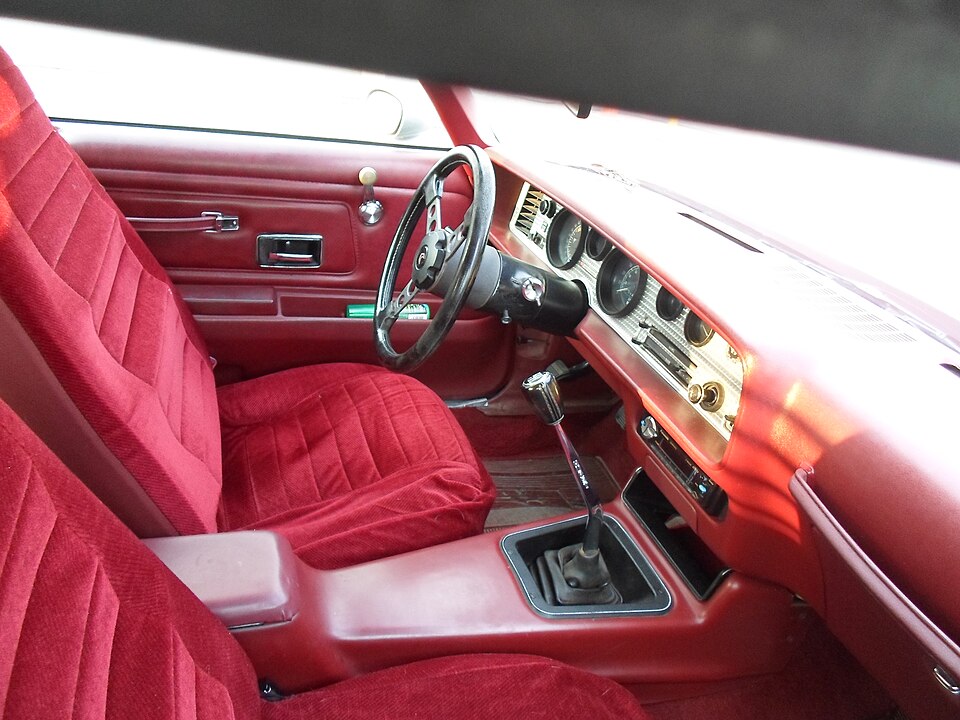
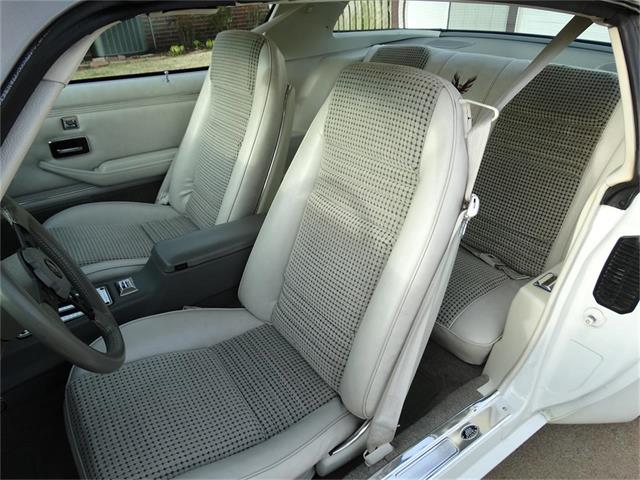
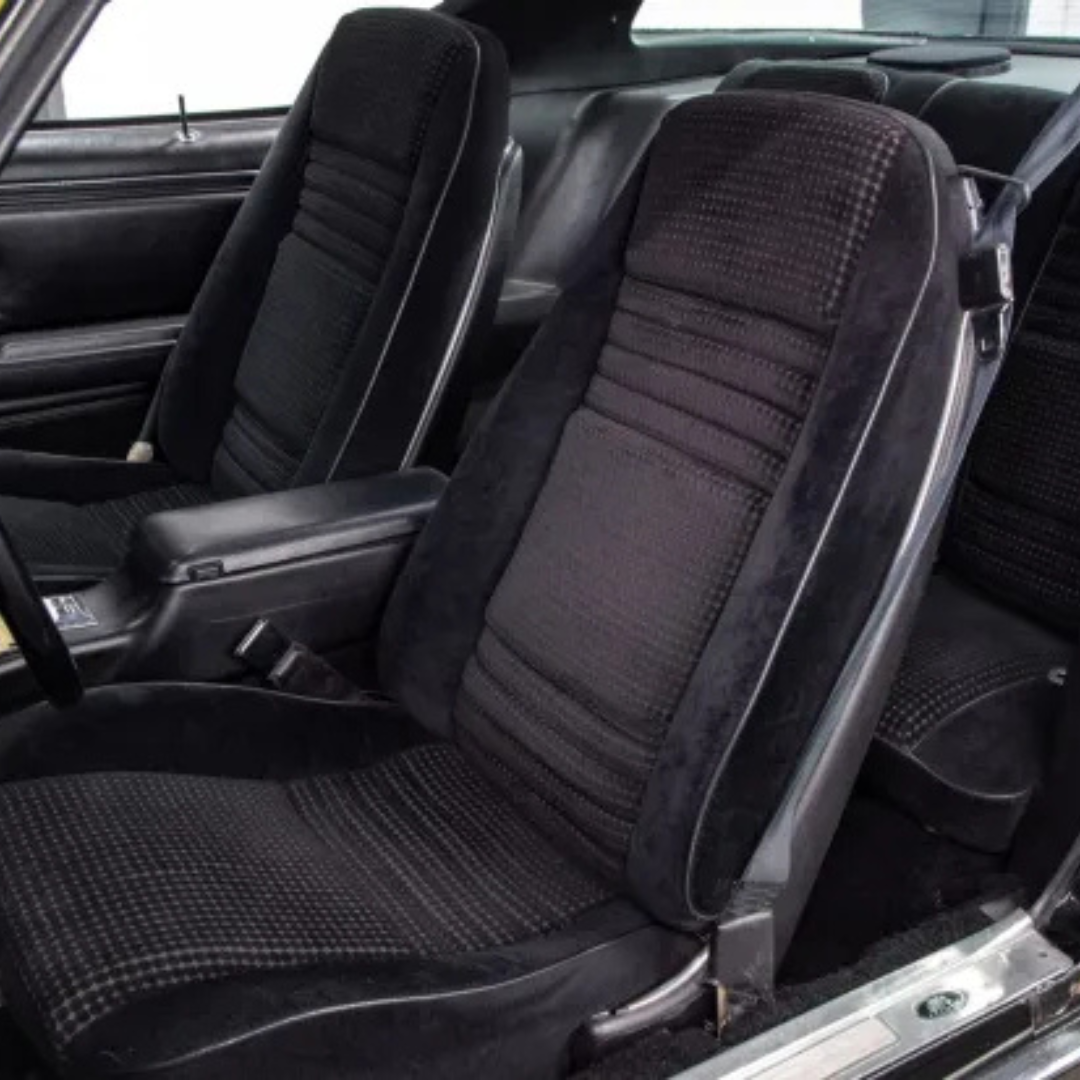
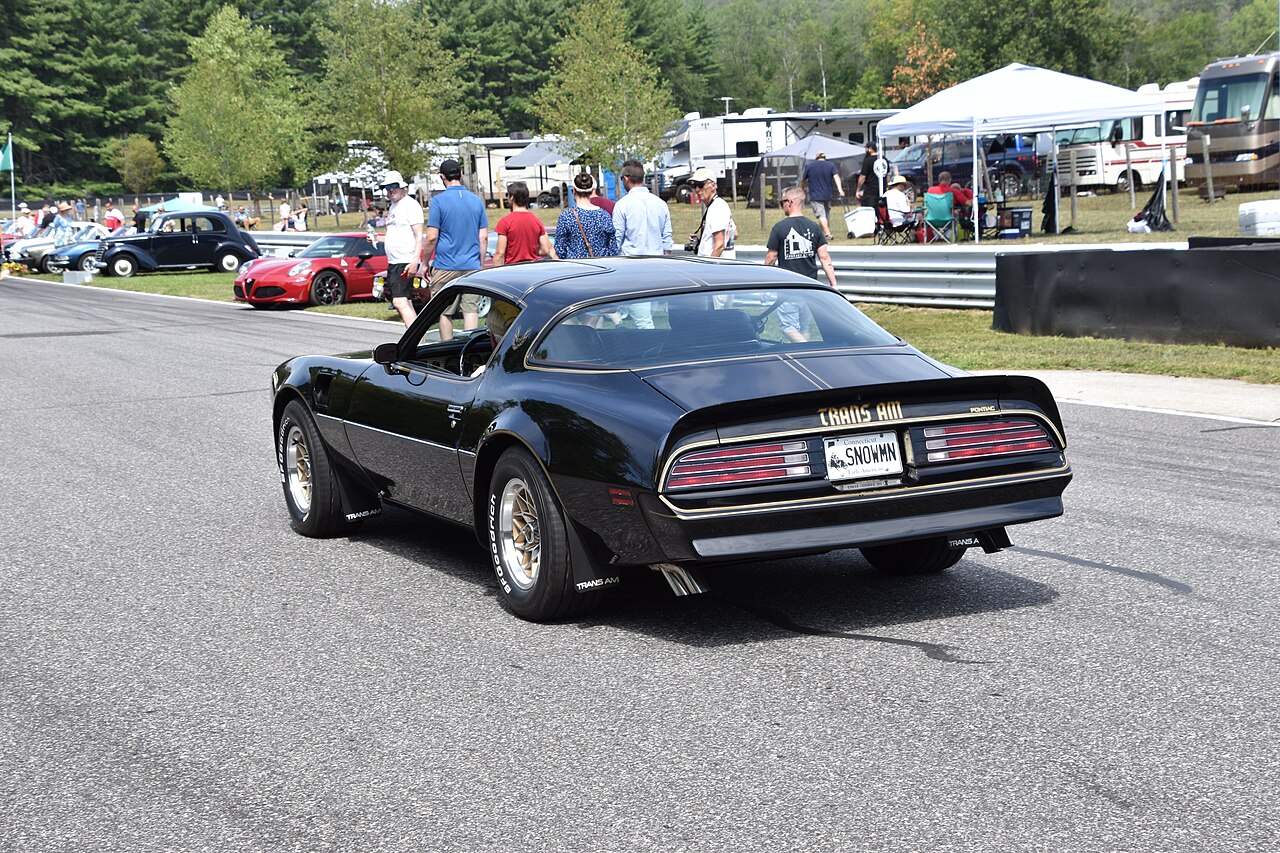
One critical point before you start shopping: know your build codes. The Firebird line included the base Firebird, Esprit, Formula, and Trans Am, and the differences between them are not trivial. The Trans Am used deluxe high-back bucket seats as standard equipment, not as an upgrade. A base Firebird seat pulled from a parts car will not be the correct replacement for a Trans Am. Certain packages, like the Y84 Special Edition (the black-and-gold Bandit package), used a specific interior combination that cannot be replicated by grabbing random seats from another Firebird. Get your broadcast sheet or cowl tag information sorted before you spend money.
Where to Find Pontiac Firebird Used Parts
Self-Service Salvage Yards
LKQ Pick Your Part and similar self-service chains are worth checking on a regular schedule. You will rarely find a complete, intact second-gen Firebird at a modern yard, but individual pieces surface more often than you might expect. Sign up for email inventory alerts where the system allows it. A clean original console, a door panel in the right color, or a correct steering wheel can show up unexpectedly.
Independent specialty yards that focus on classic GM cars are a more consistently productive source. Some of these operations have catalogued inventory and will ship. Search for "classic GM salvage" and "muscle car salvage" in your region and call before you drive.
eBay Motors
eBay Motors remains the single largest open marketplace for second-gen Firebird parts. The depth of inventory is unmatched by any other platform. Search by part name and also by RPO code when you know it. Set saved searches with alerts for items on your list. Read seller feedback carefully and ask for additional photos, particularly of mounting tabs, clips, and threaded areas, since these are common failure points that sellers frequently overlook when staging photos.
POCI Swap Meets and Pontiac-Specific Events
The Pontiac-Oakland Club International hosts an annual convention that includes one of the better swap meets for Pontiac-specific hardware. Regional POCI chapter events are worth attending as well. Face-to-face transactions let you inspect parts before buying, and sellers at these events generally know what they have and what year it fits.
Online Forums and Community Classifieds
Firebird Nation and similar forums maintain classified sections where members sell parts from known quantities. Buyers often have documentation on a part's history, and the community itself functions as a vetting layer. These spaces also surface rare NOS (new old stock) pieces that never appear on general marketplaces.
Facebook Marketplace and dedicated Facebook groups for second-gen Firebird and Trans Am owners have become increasingly active. The search tools are less refined than eBay, but motivated sellers often price below market because they want local pickup and a quick transaction.
Used vs. Reproduction: Knowing Which Route to Take
Not every part is worth sourcing used. Understanding the categories saves real money.
Buy used when practical: Mechanical components such as transmissions, differentials, alternators, and power steering pumps. Factory trim pieces with no quality reproduction equivalent. NOS emblems and badges. Correct-date-coded engines when originality is a priority for your build.
Buy new reproduction: Weatherstripping and rubber seals. These degrade with age and a used seal that looks intact will often leak or tear during installation. Carpet kits. Soft trim items like door panel inserts in your correct interior color. Any safety-related hardware, including brake and fuel system components.
Inspect very carefully before committing to either: Seats. Second-gen Trans Am deluxe buckets are commonly listed, but condition varies enormously. Check the seat frames for cracks at the recliner mechanism. Inspect the foam for collapse and deformation. The vinyl on original seats can be reupholstered, but a bent or cracked frame is a serious problem. One fact worth keeping straight here: the only second-gen Firebird that left the factory with leather seats was the 1979 10th Anniversary Trans Am (RPO Y89), which received silver leather-trimmed buckets. Every other second-gen Firebird seat is vinyl. If a seller describes "factory leather" Trans Am seats from any year other than the 1979 Y89, they are incorrect.
Interior Parts: What to Inspect Before You Buy
Dashboard pads are a known weak point on second-gen Firebirds. The pad material degrades, cracks, and shrinks across the top surface. A used dash pad in genuinely good condition is worth buying on the spot when you find one. Ask for photos in direct light across the top surface, and photos of the mounting clip area along the front edge.
Door panels suffer from delamination of the board substrate, particularly in cars that sat in damp conditions. Press along the edges and at the lower corners. Any softness or separation indicates the board is failing. Recovering a deteriorated door panel board adds significant labor to what initially looks like a bargain purchase.
Console lids and bezels are frequently cracked at their fastener points. The hinge area on the console lid is a high-failure zone. Reproduction lids are available for the most common configurations, so a cracked used lid is rarely worth buying unless you are planning a full rebuild of it anyway.
Mechanical and Drivetrain Parts: Where Used Parts Shine
The second-gen Firebird shared the F-body platform with the Camaro. Body panels are not interchangeable between the two, but many mechanical components are. The Turbo-Hydramatic 350 and Turbo-Hydramatic 400 automatic transmissions appeared in a wide range of GM vehicles from the same era, which broadens your sourcing options considerably. The same applies to rear axle assemblies and many front suspension components.
The 400ci Pontiac engine appeared in other Pontiac vehicle lines during the second-gen years, so parts cars from Grand Prix and similar models can yield serviceable blocks, heads, and accessory brackets. The 403ci Oldsmobile, which was the standard engine in the 1979 Trans Am (with the 400ci W72 as the performance option), appeared in multiple other GM products as well, giving you a wider net to cast when hunting for a replacement long block.
Always verify casting numbers against a published reference before purchasing a used engine or transmission. The casting number tells you what you actually have, not what the seller believes they have.