The question of why did the Pontiac Trans Am get discontinued pulls together more than thirty years of American automotive history, and the honest answer changes depending on which chapter you mean. The Trans Am survived four generations of the F-body Firebird, outlasted two oil crises, and endured wave after wave of federal emissions mandates before GM finally retired the nameplate after the 2002 model year. Its parent brand, Pontiac, followed in 2009. Understanding the full arc means looking at what pressures hit the second-gen cars during the 1970-1981 era, what kept the nameplate alive through the 1980s and 1990s, and what finally made the business case impossible to defend.
The Second-Gen Peak and What Followed
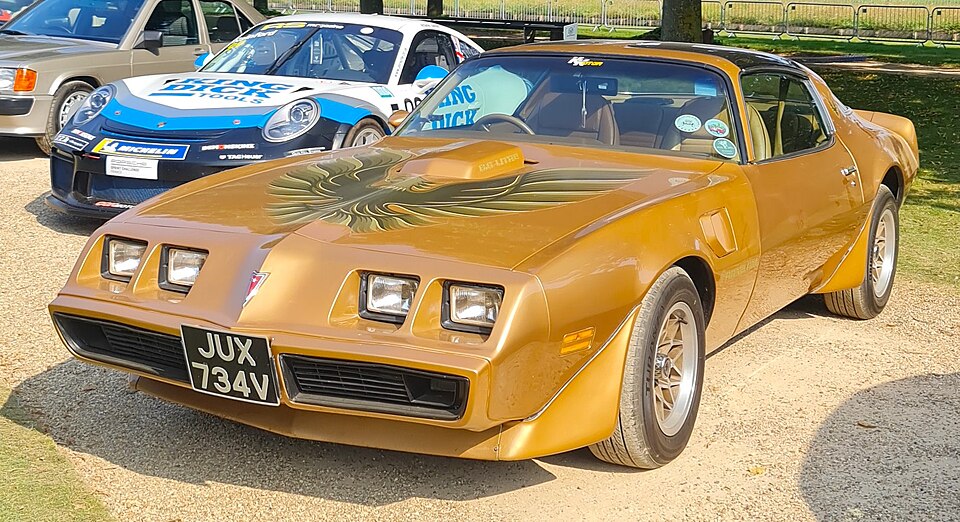
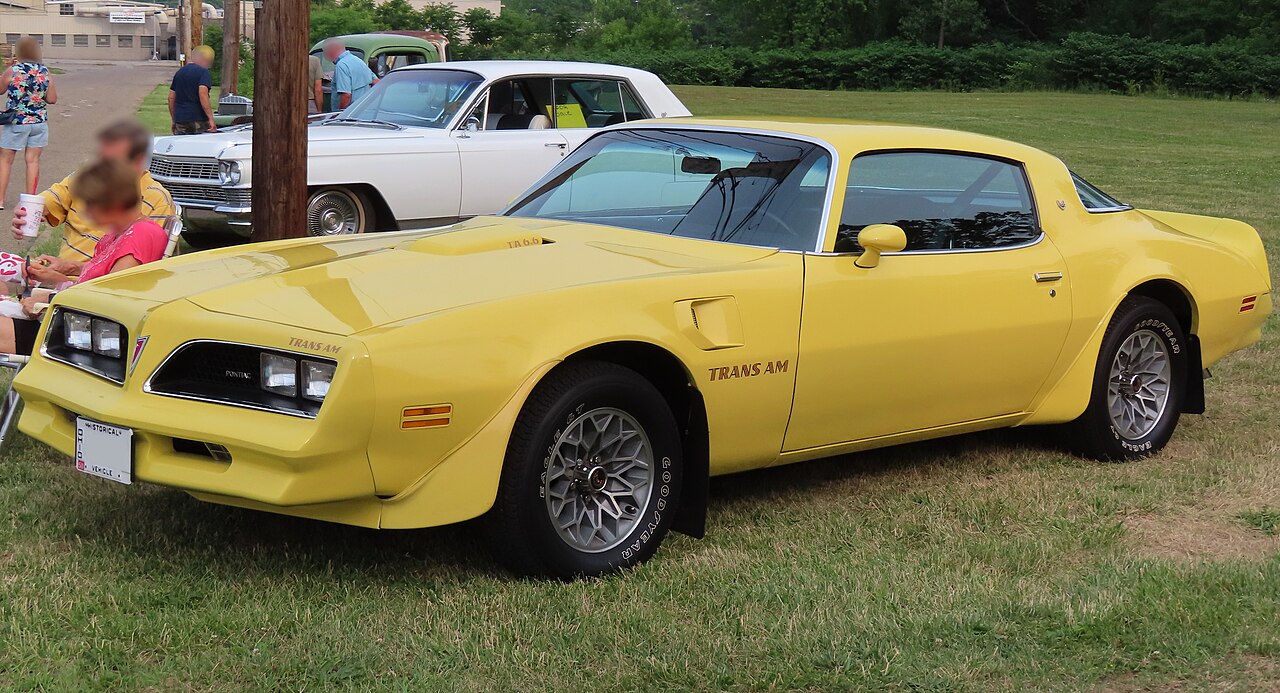
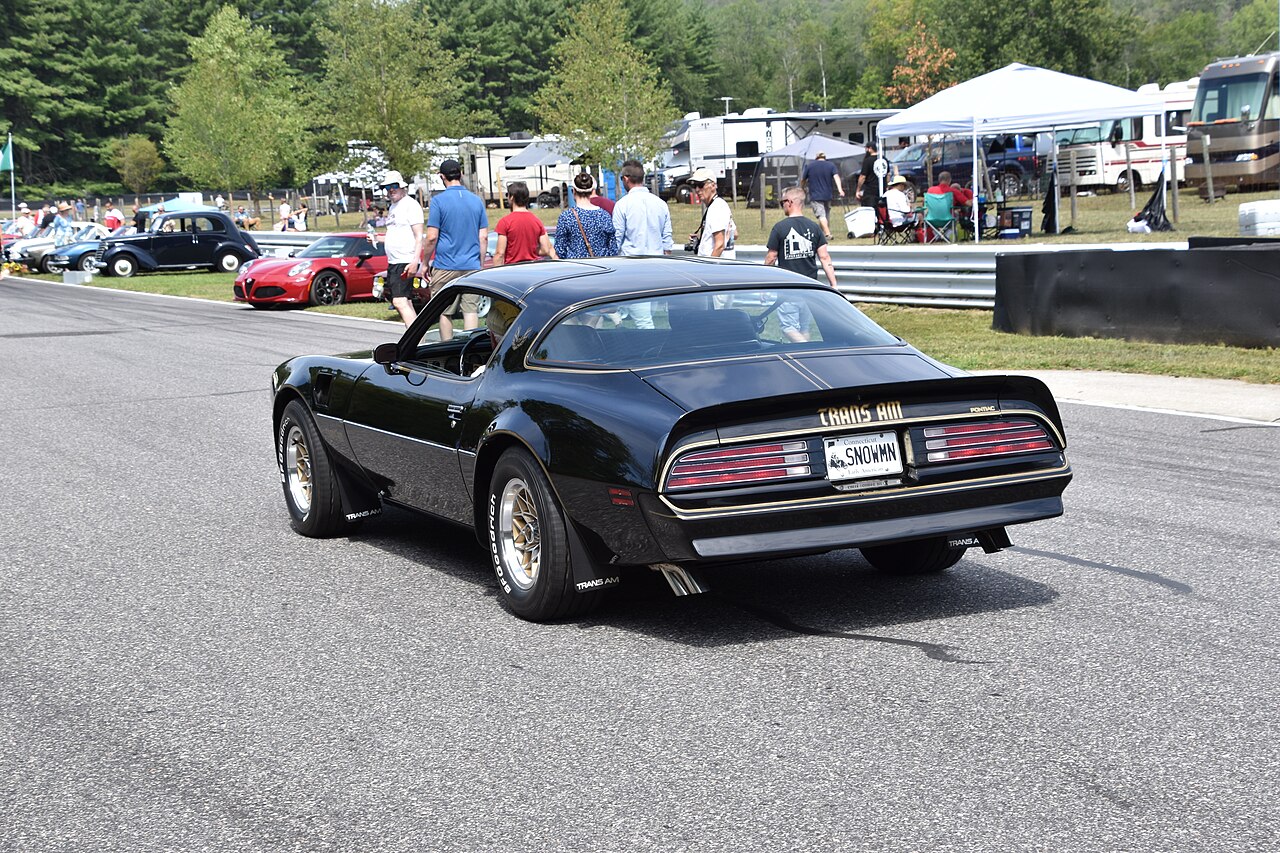
The second-generation Trans Am (1970-1981) represents the nameplate at its most culturally powerful. Production numbers climbed steadily through the mid-1970s, and by the 1979 model year the Trans Am had become a genuine sales phenomenon. The 1977 release of Smokey and the Bandit put the car in front of a national audience at exactly the right moment, and dealers struggled to keep inventory on the lot. Total Trans Am production for 1979 reached approximately 93,000 units, a figure that reflected both the car's cultural moment and its competitive positioning.
What often gets lost in this story is that the second-gen did not end in a crisis. It ended because Pontiac had a new body coming. The 1982 Firebird and Trans Am moved to a restyled third-generation platform, and the nameplate continued without interruption. There was no discontinuation event in 1981, only a transition. The structural problems that would eventually kill the nameplate had been accumulating throughout the 1970s, and their origins were in Washington more than in the showroom.
How Emissions Standards and Fuel Crises Drained the Power
The federal government's push for cleaner, more fuel-efficient cars began in earnest with the Clean Air Act of 1970, and the effects landed in Trans Am engine compartments across the following decade. The high-compression engines that made the early cars famous were detuned progressively to run on lower-octane unleaded fuel and meet tightening exhaust output requirements. Advertised horsepower fell across the entire industry, but for a car sold on performance, the damage was especially visible.
The 1973 Arab oil embargo accelerated the decline. Insurance companies had already been surcharging muscle car owners since the early 1970s, making high-horsepower vehicles expensive to insure regardless of the owner's driving record. When fuel prices spiked and availability became uncertain, the case for a large-displacement V8 performance car became harder to make to ordinary buyers.
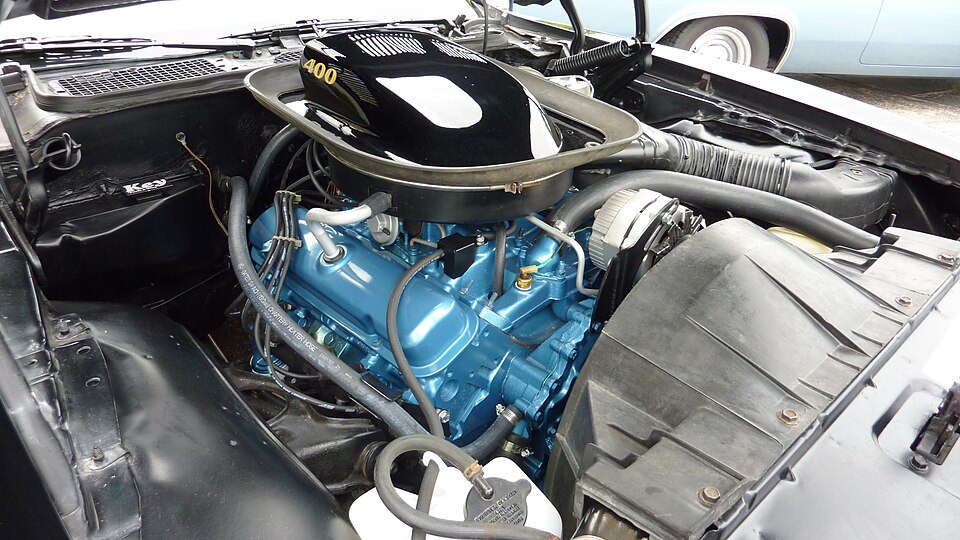
By 1979, the standard Trans Am engine was a 403 cubic-inch Oldsmobile V8, used across all markets including California, where the Pontiac 400 could not pass emissions certification. The performance option that year was the Pontiac 400 W72 "T/A 6.6," rated at 220 net horsepower. For context, the Super Duty 455 offered in 1973-1974 had been rated at 290 net horsepower before emissions mandates forced it off the options sheet. For 1980 and 1981, with the Pontiac 400 phased out entirely, the top performance option became a turbocharged 301 cubic-inch Pontiac V8, and even that engine faced ongoing certification challenges.
The Corporate Average Fuel Economy standards, phased in beginning with the 1978 model year, added another layer of pressure. Automakers had to manage fleet-wide fuel economy averages, and a thirsty V8 sports car made that math more expensive for every mainstream model sharing a corporate lineup with it.
The Nameplate Survives: Third and Fourth Generation
The third-generation Firebird and Trans Am (1982-1992) sold reasonably well early in the decade, helped by a more aerodynamic body and, later in the run, genuine performance from the Tuned Port Injection 5.7-liter V8. From 1987 onward, the GTA trim level, exclusive to the third generation, offered an elevated combination of luxury and performance within the Firebird family. The Trans Am continued to anchor the top of the Firebird lineup throughout this period.
The fourth generation (1993-2002) delivered the strongest argument for the nameplate's survival. When GM dropped the LS1 V8 into the Trans Am for 1998, rated at 305 net horsepower, the same engine powering the contemporary Corvette, the car became a genuine performance bargain. The WS6 Ram Air performance package, available during this generation, pushed output to 325 horsepower and gave the fourth-gen Trans Am real credibility against European competitors at a fraction of their price.
But sales were in long-term structural decline by the late 1990s. The American market had shifted decisively toward SUVs and light trucks. The Firebird and Camaro shared the F-body platform and were competing with each other as much as with outside rivals. Neither sold in volumes that justified the ongoing investment in platform development, safety compliance, and updated tooling.
The 2002 Shutdown: Why GM Pulled the Plug
GM officially ended F-body production after the 2002 model year, discontinuing both the Firebird/Trans Am and the Chevrolet Camaro at the same time. Annual Firebird sales had fallen from the six-figure peaks of the late 1970s to somewhere in the range of 30,000 to 40,000 units per year by the early 2000s. Against the investment required to bring the platform into compliance with upcoming federal safety and emissions requirements, those numbers did not pencil out.
The 2002 Collector's Edition Trans Am served as a production send-off for the nameplate. It was a regular production model available to any buyer, not a one-off, but its creation signaled that GM had already made its decision. The Camaro returned for the 2010 model year on a new platform. The Firebird and Trans Am never did. Aftermarket converters have since built Firebird-styled vehicles based on Camaro underpinnings, but none of those vehicles are factory GM products.
Pontiac's Final Chapter
The Trans Am's retirement in 2002 came seven years before Pontiac's own end. GM filed for Chapter 11 bankruptcy in June 2009, and as part of the court-supervised reorganization, the company announced it would wind down the Pontiac brand entirely. The decision reflected a strategic push toward fewer brands with clearer market identities. By 2009, Pontiac's lineup had contracted to a collection of shared-platform vehicles with diminishing brand distinction. The Trans Am, the nameplate most closely associated with what Pontiac had stood for, was already gone.
The last Pontiac-badged vehicles left GM assembly lines in 2010. The brand that had produced the GTO, the Firebird, and the Trans Am was gone, and unlike the Camaro, no product plan to revive it has ever reached production.
The full story of why the Trans Am was discontinued is really four overlapping stories: federal regulations that strangled the big-block engines powering the second-gen cars, a consumer market that decided SUVs and trucks were more useful than sports cars, a corporate calculation that the F-body platform cost more to modernize than it could return in revenue, and finally a bankruptcy reorganization that eliminated the brand that had owned the nameplate for thirty-two years.